Best Education
Innovative educational tools and outreach activities have the ability to establish a two-way dialogue with new communities by discussing public values and the science behind synthetic biology. How have you developed new opportunities to include more people in shaping synthetic biology? Education activities do not have to be directly related to your project but may look at wider issues of iGEM or synthetic biology. Education activities must promote scientific learning and avoid simply proselytizing or marketing synthetic biology and/or iGEM. Document your approach, and what was learned by everyone involved, to compete for this award.
Visit the Special Prizes page for more information.
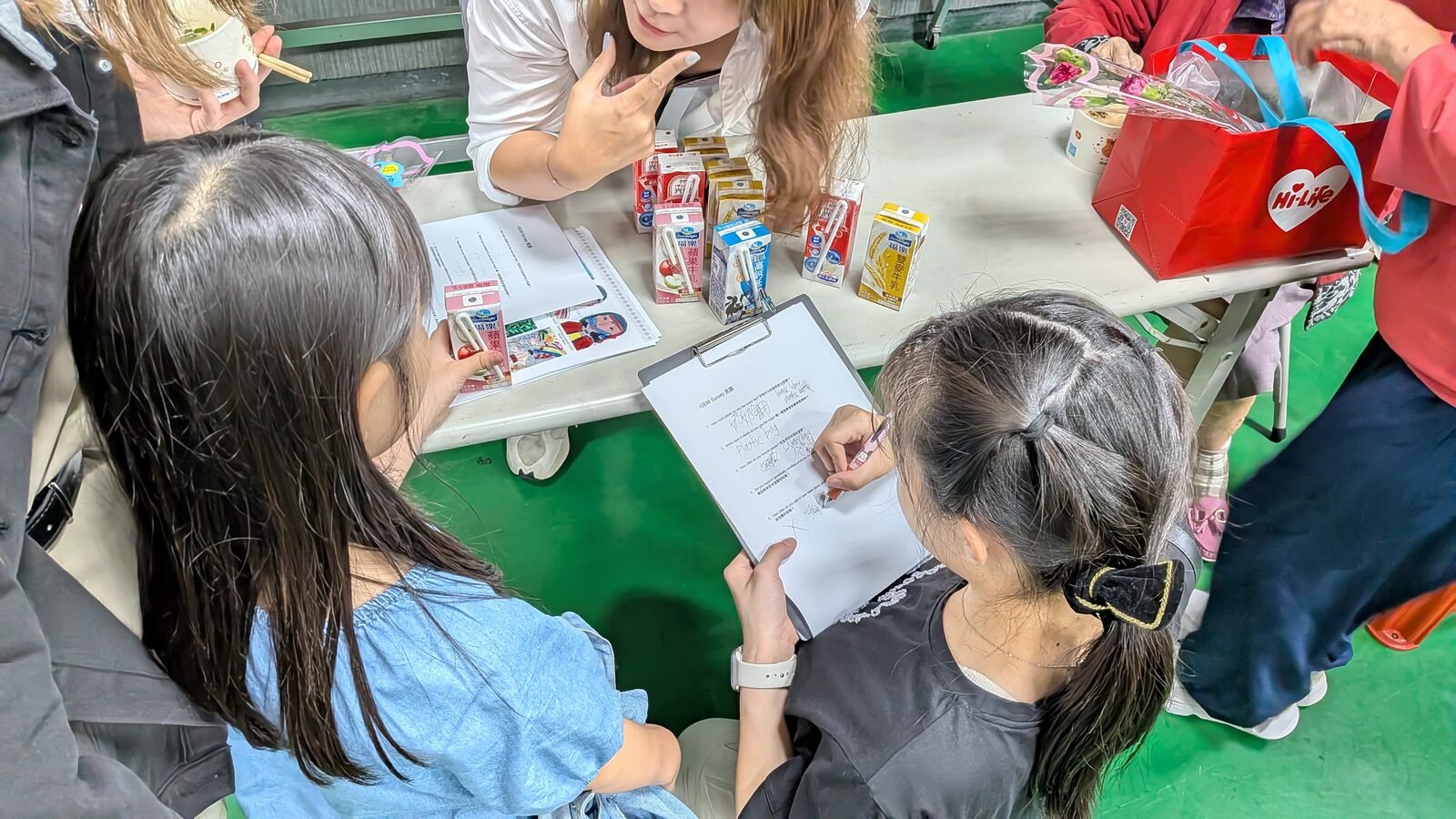
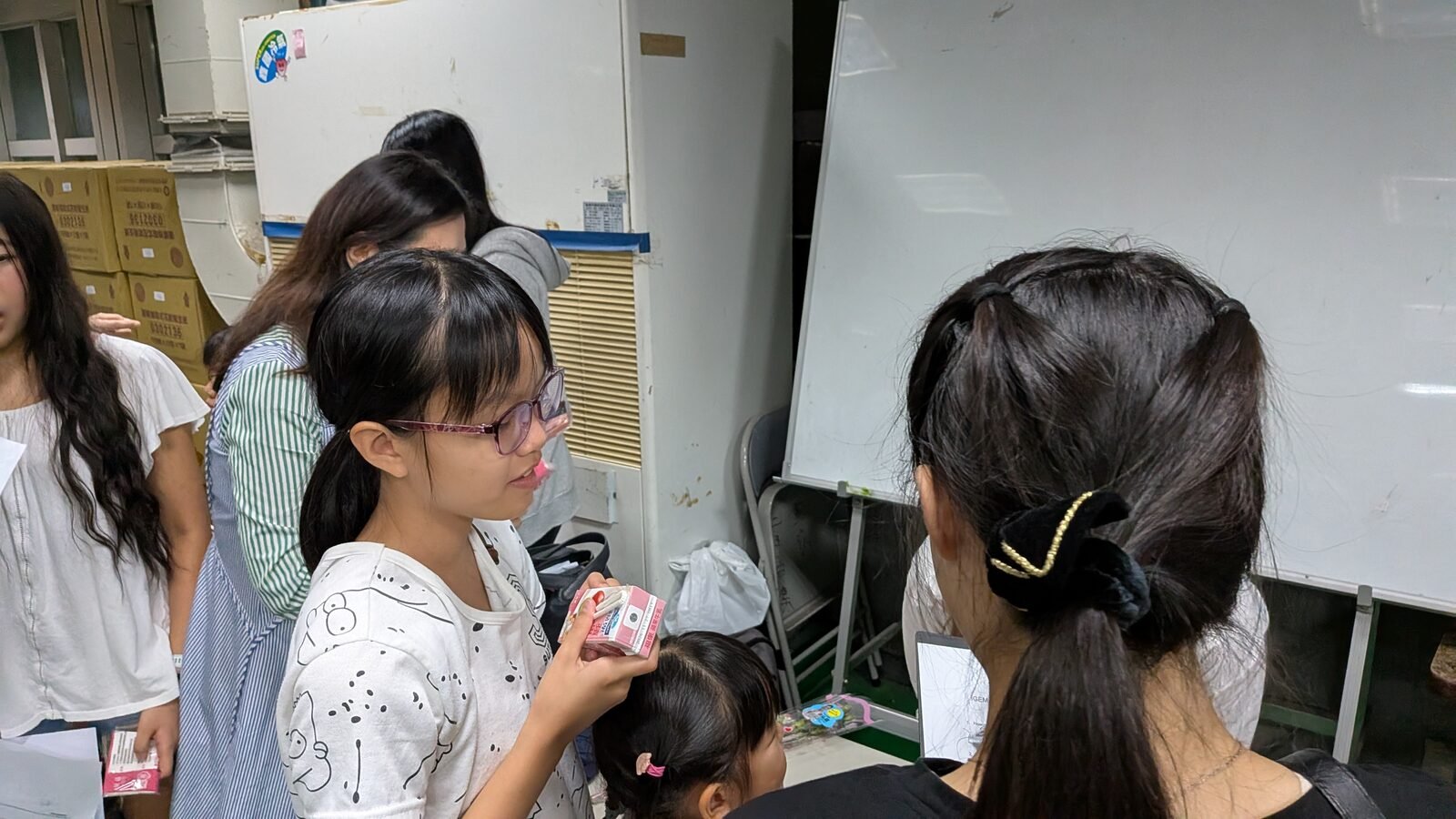
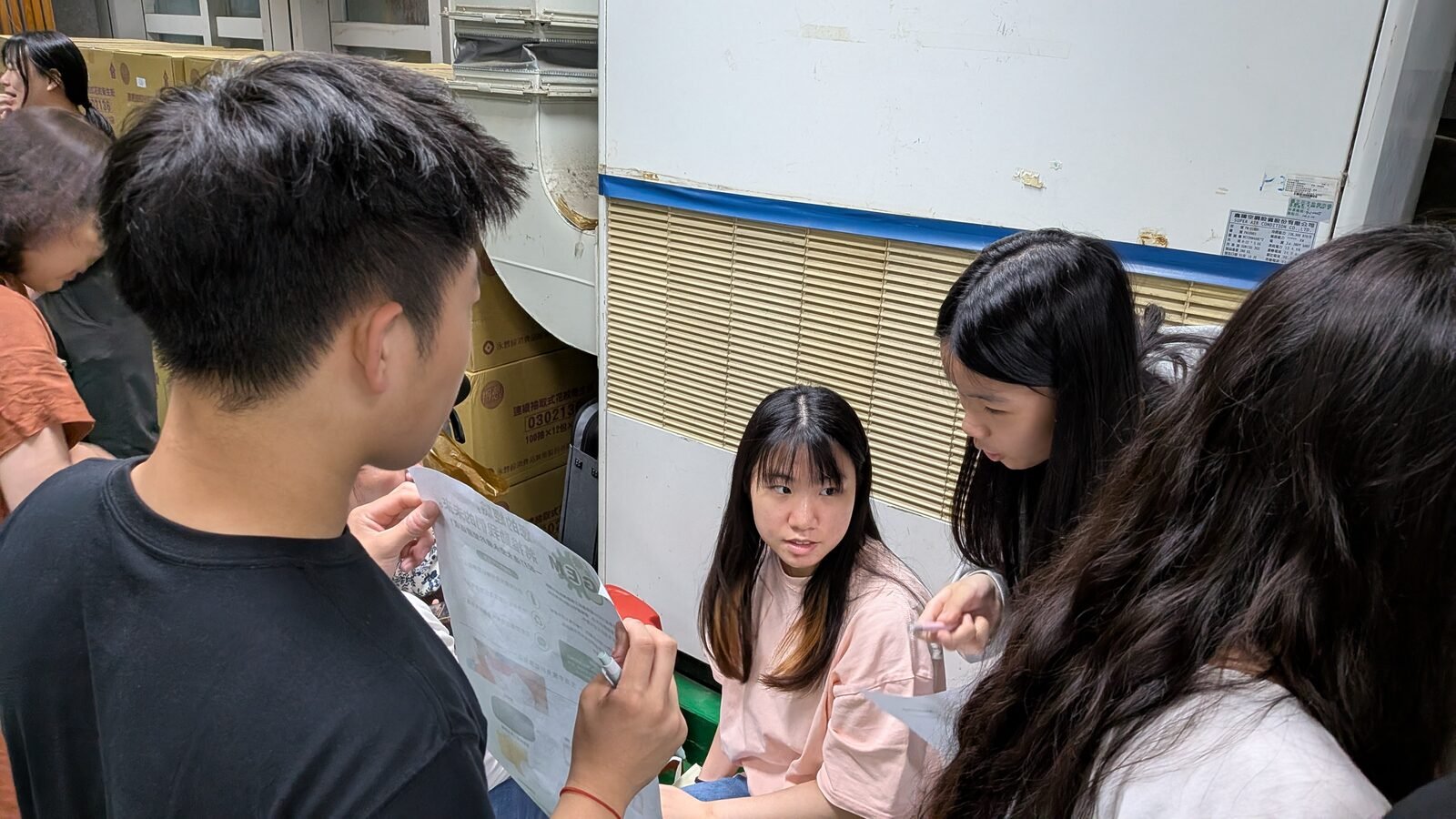
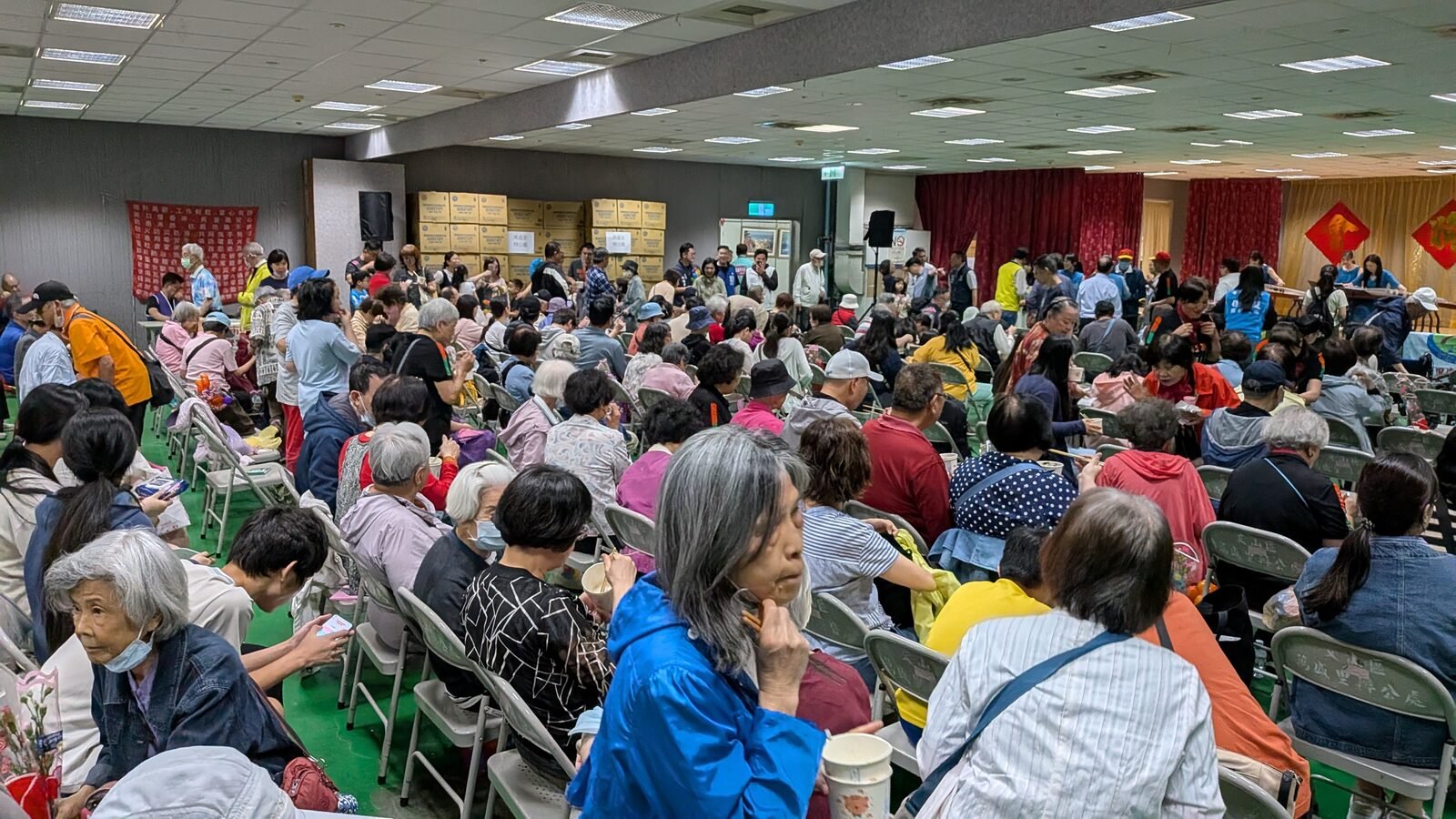
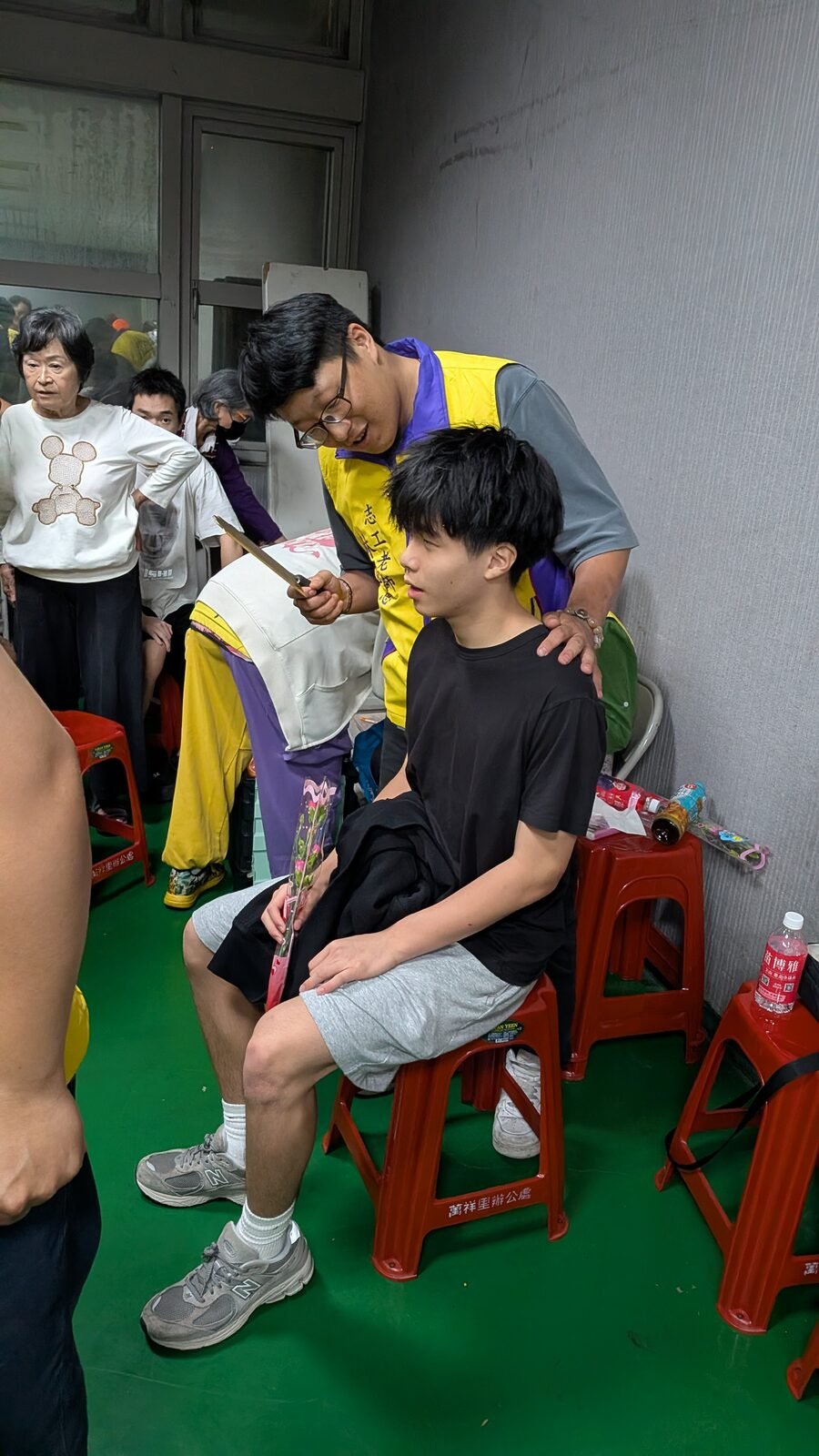
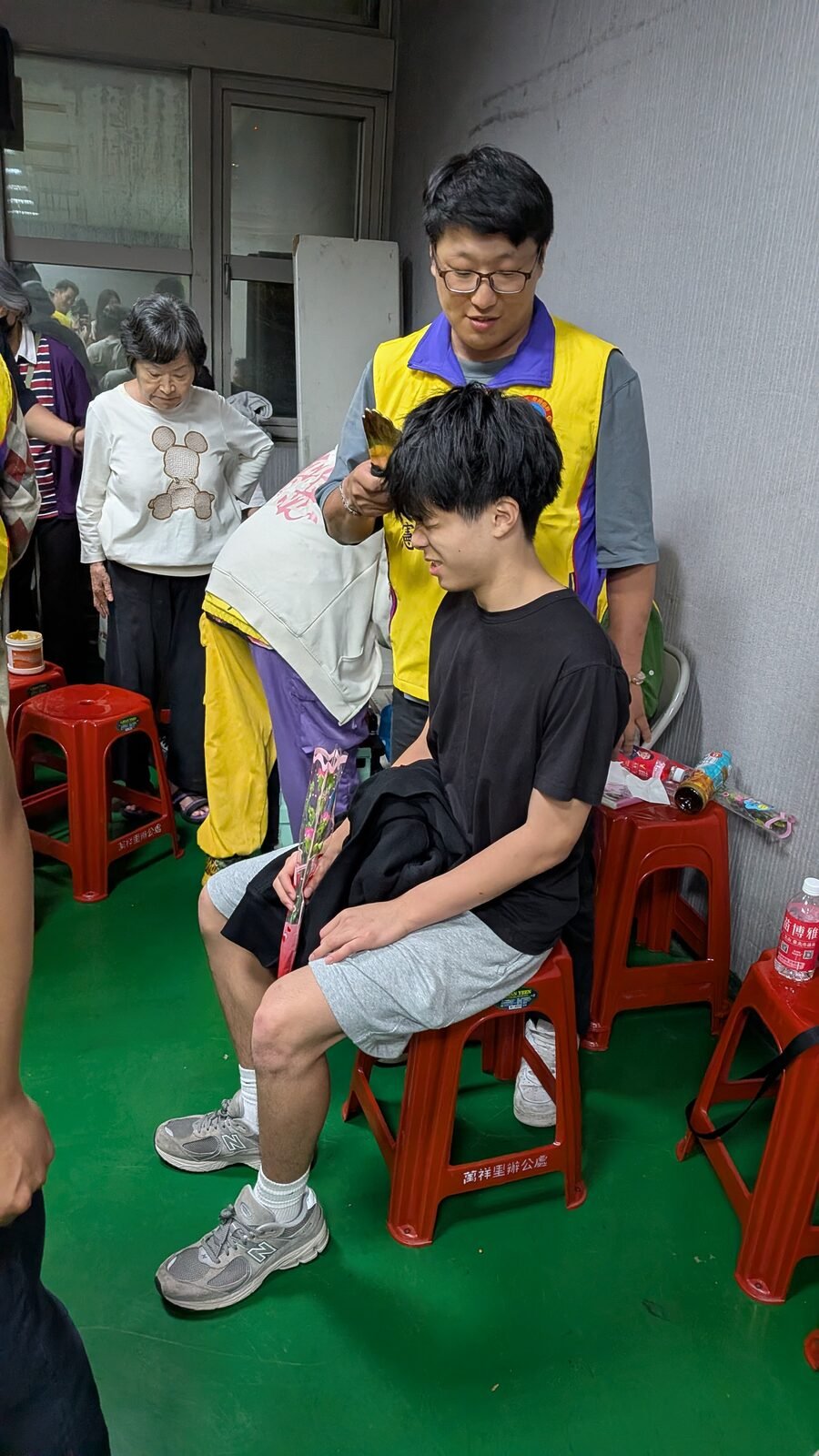
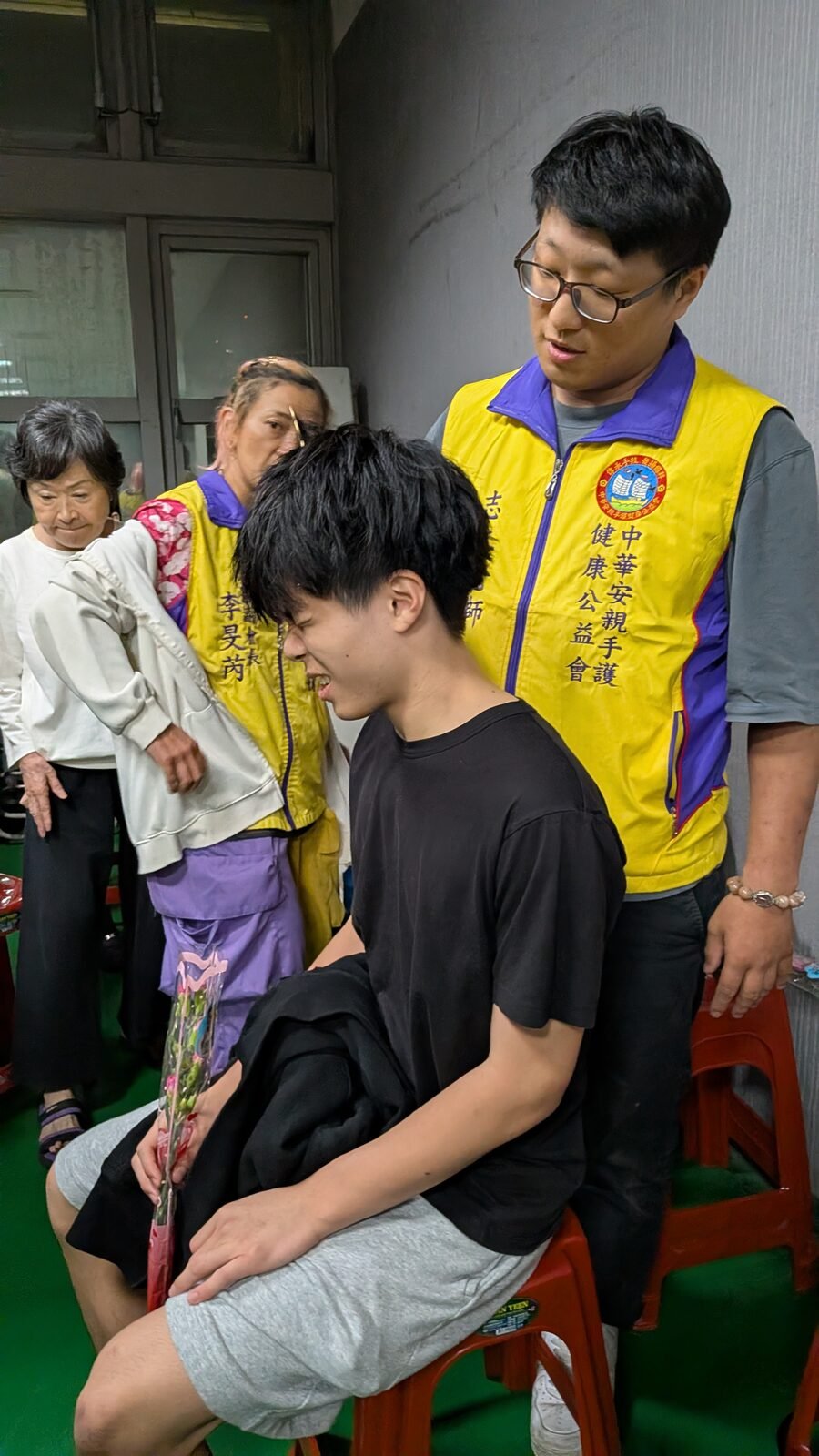
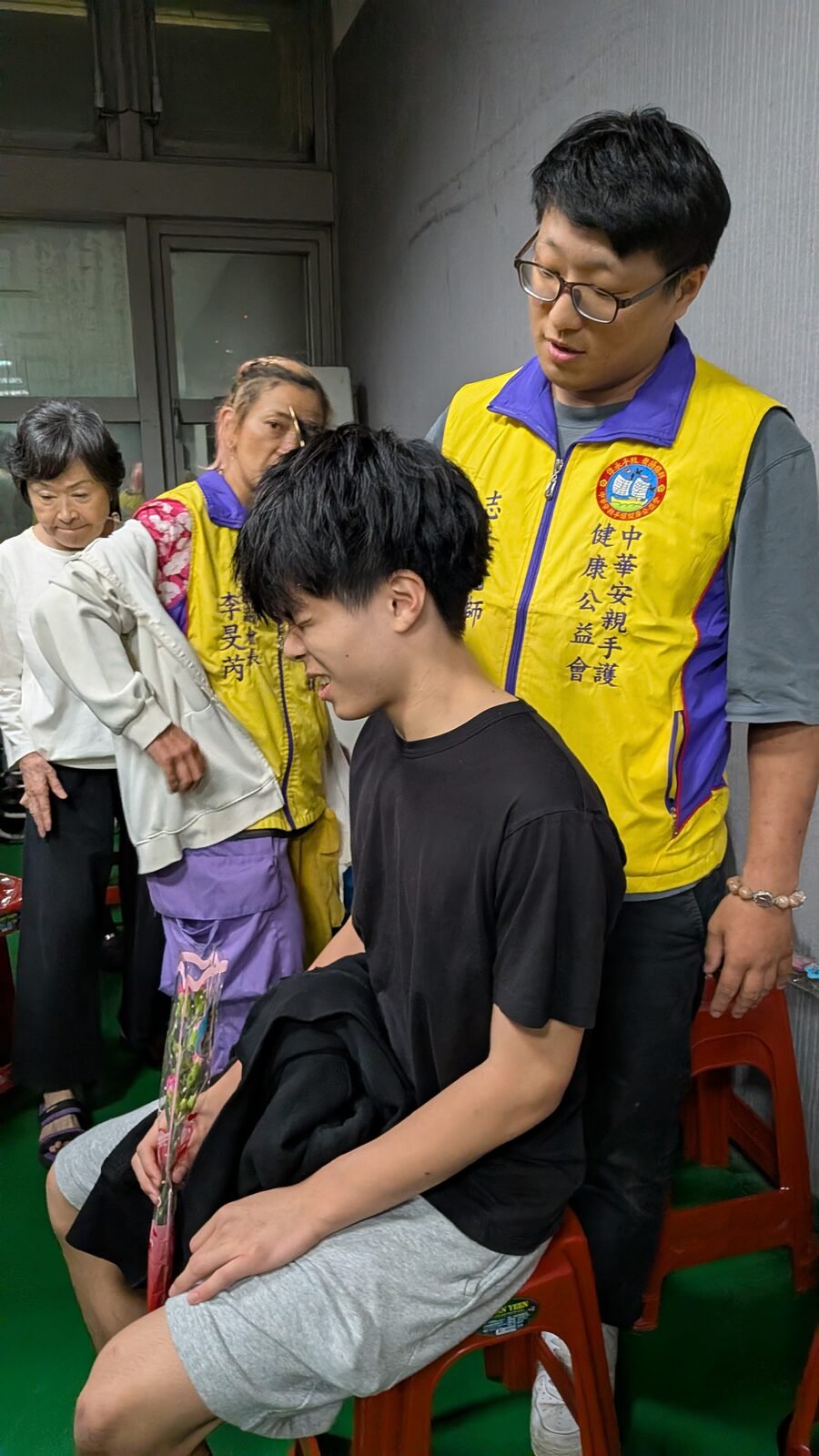
Mother's Day Outreach – 8 May 2026
On 8 May 2026, our team hosted a Mother's Day Outreach event to introduce synthetic biology concepts to families in our community and spark conversation about our project. Photos from the event are below.
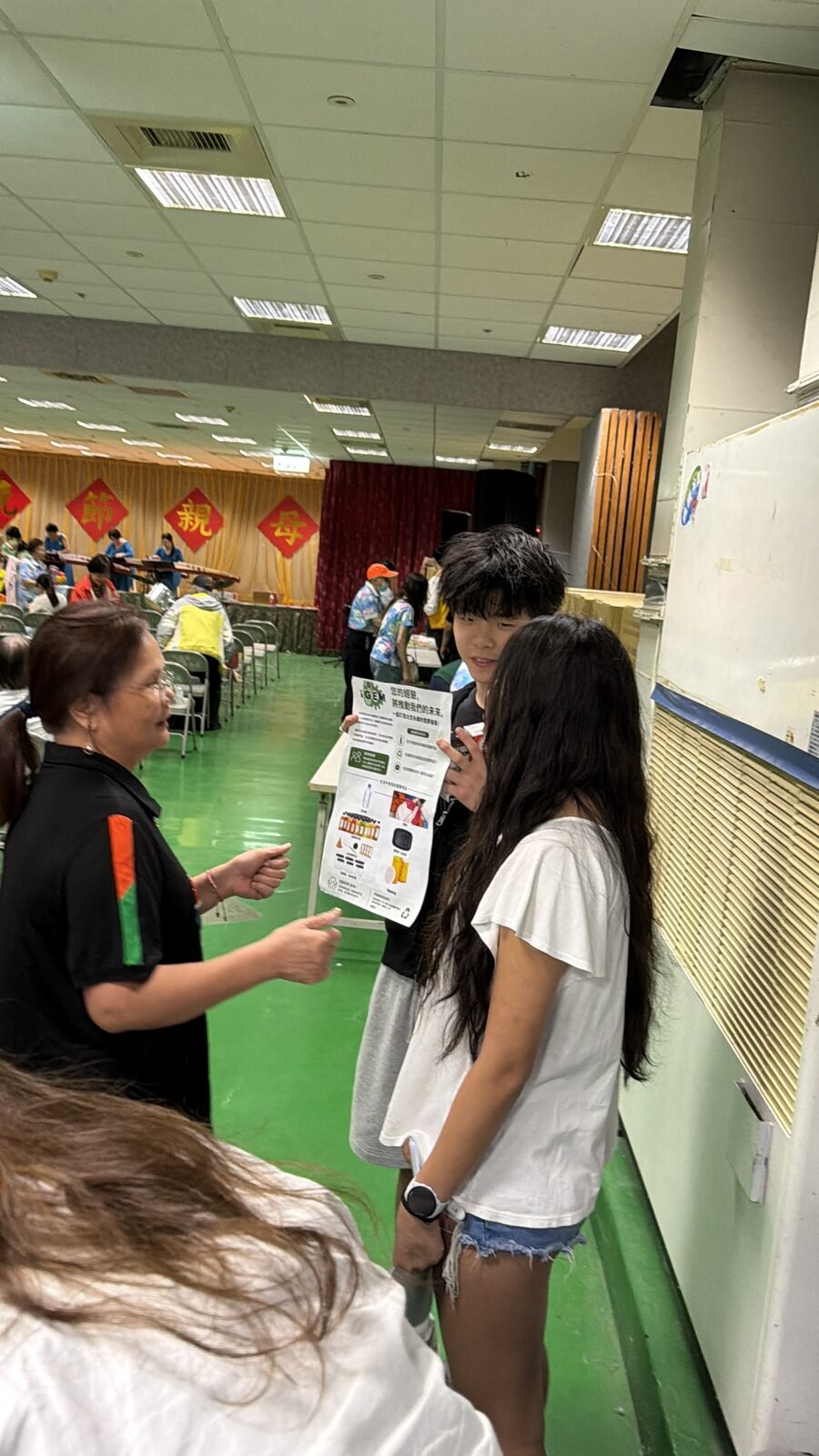
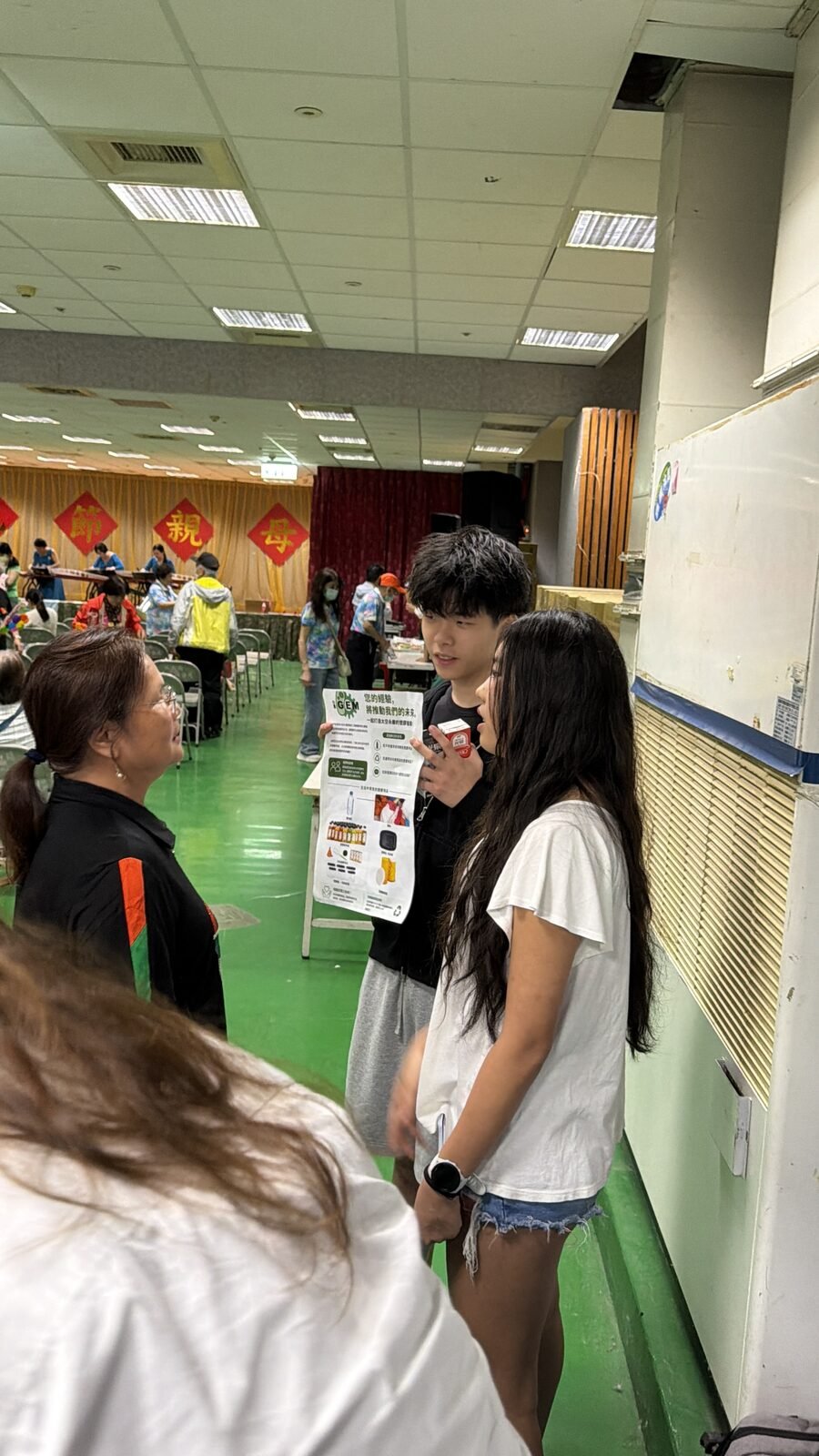
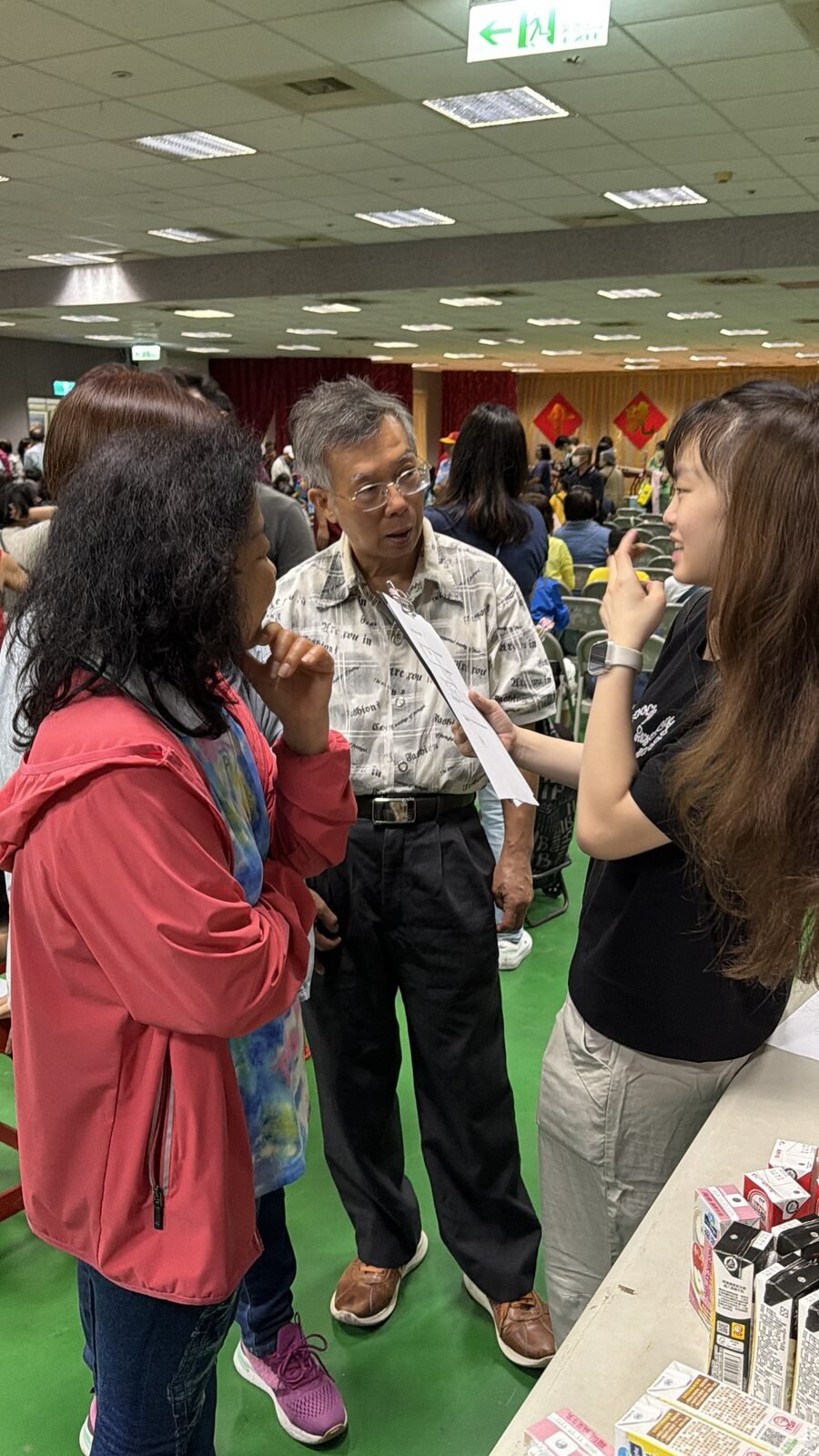
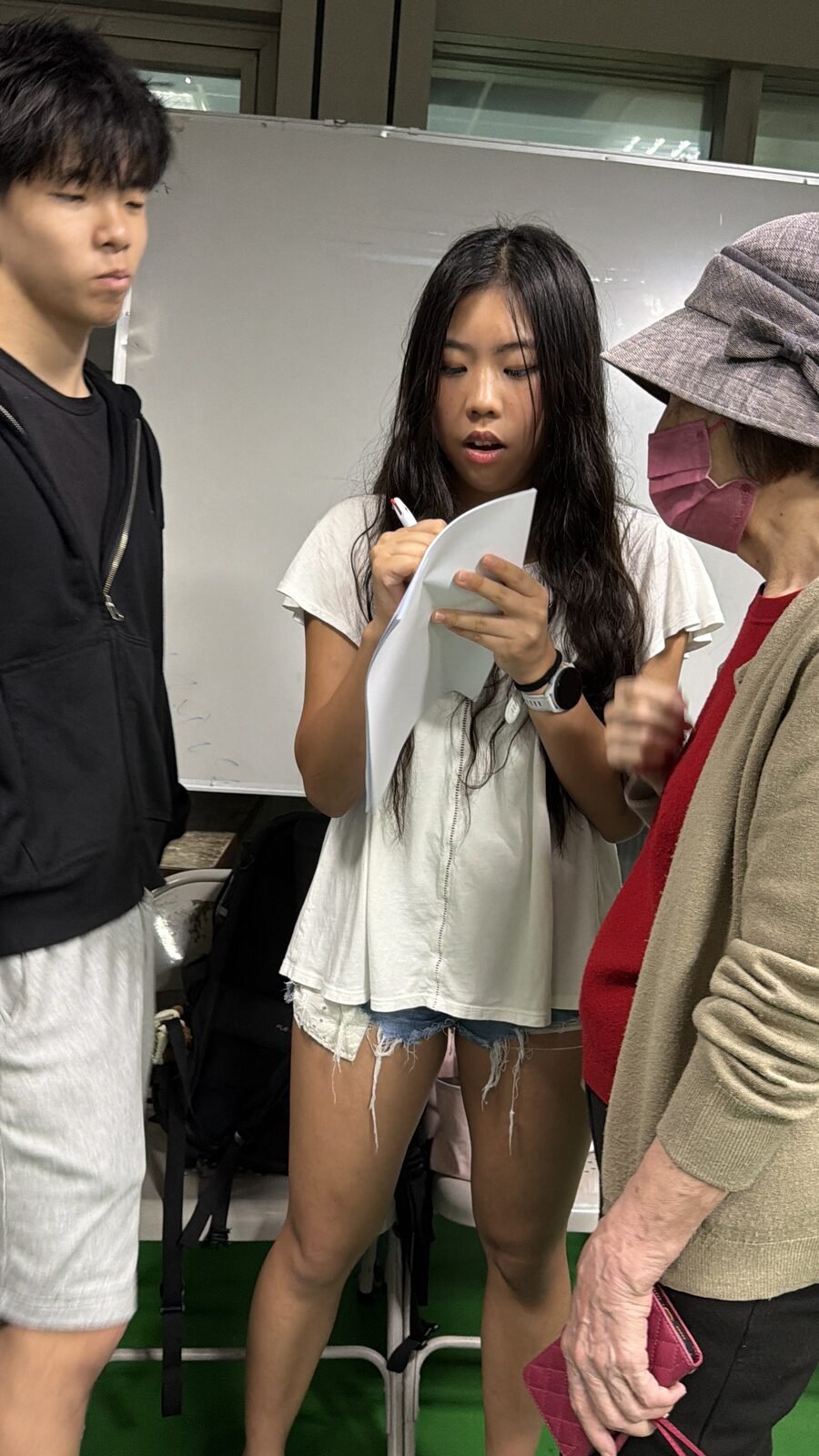
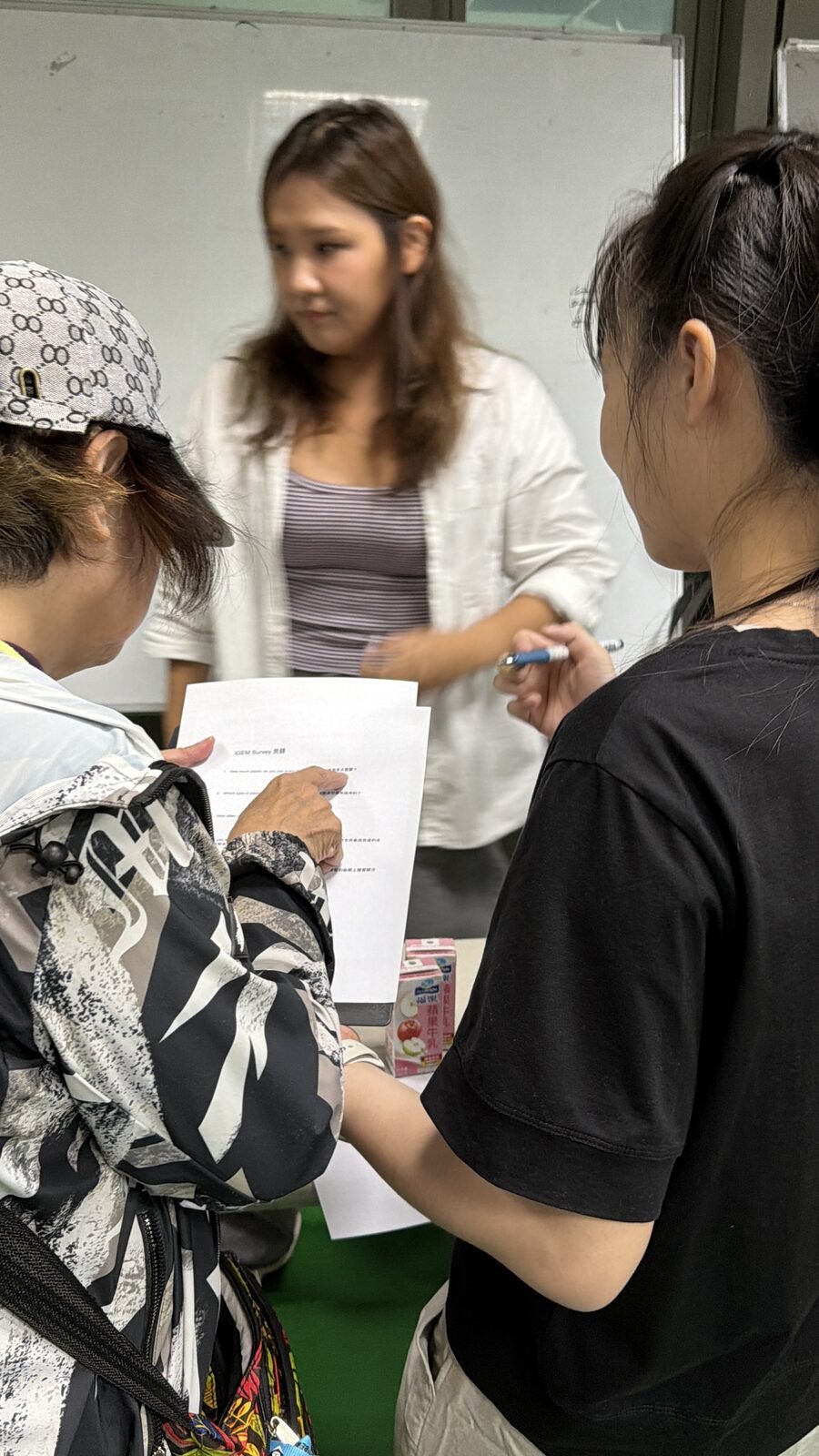
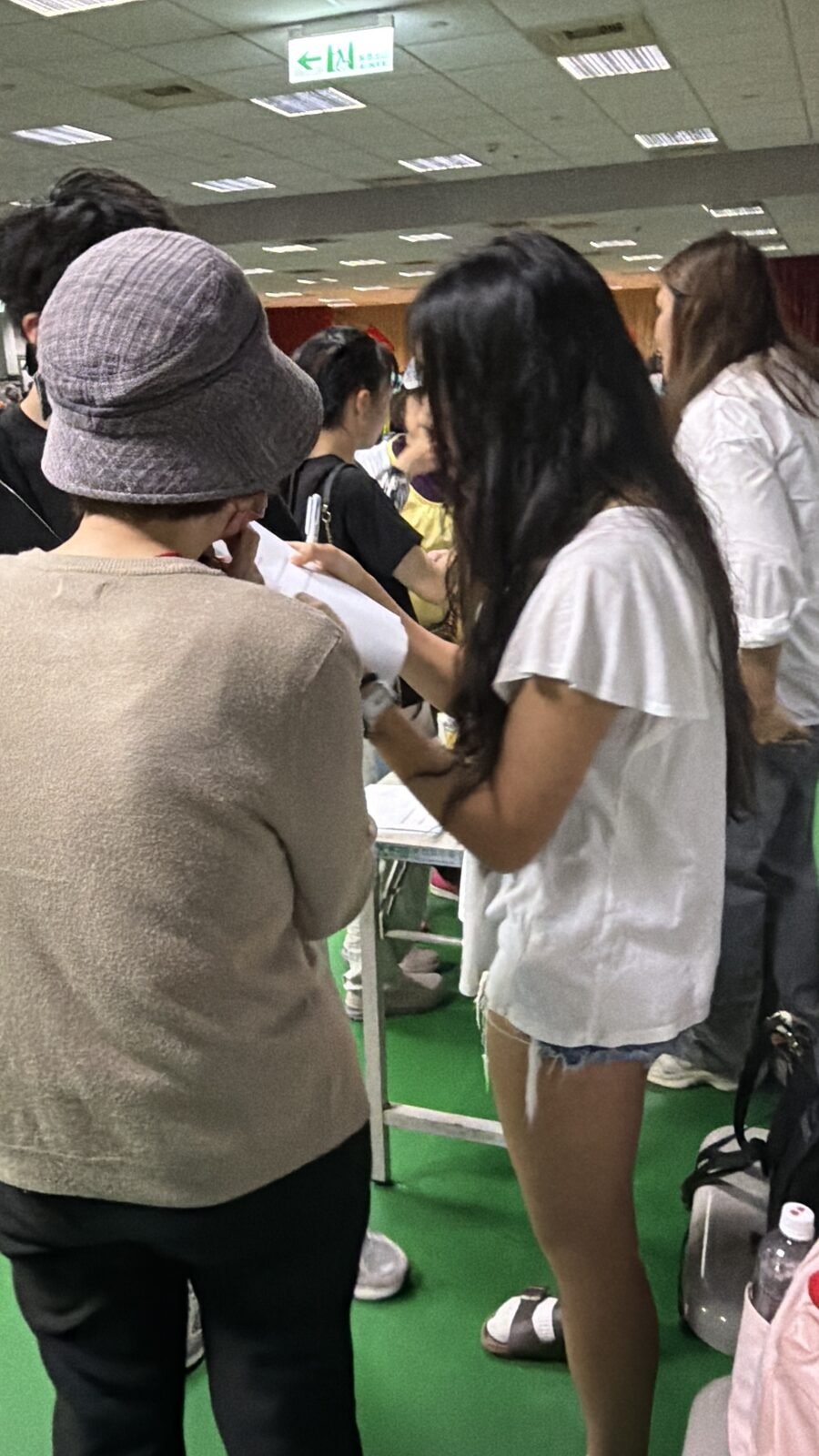
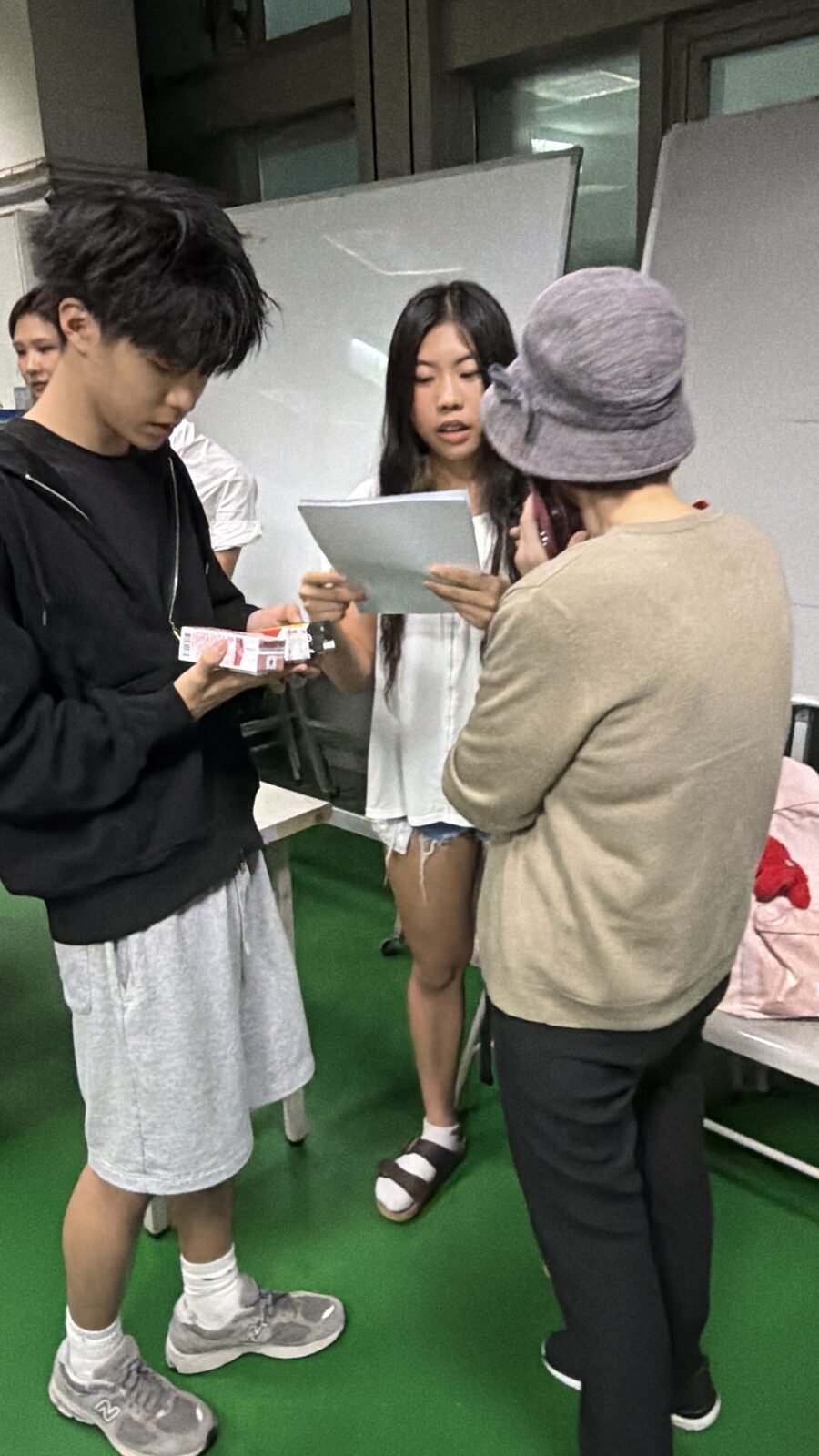
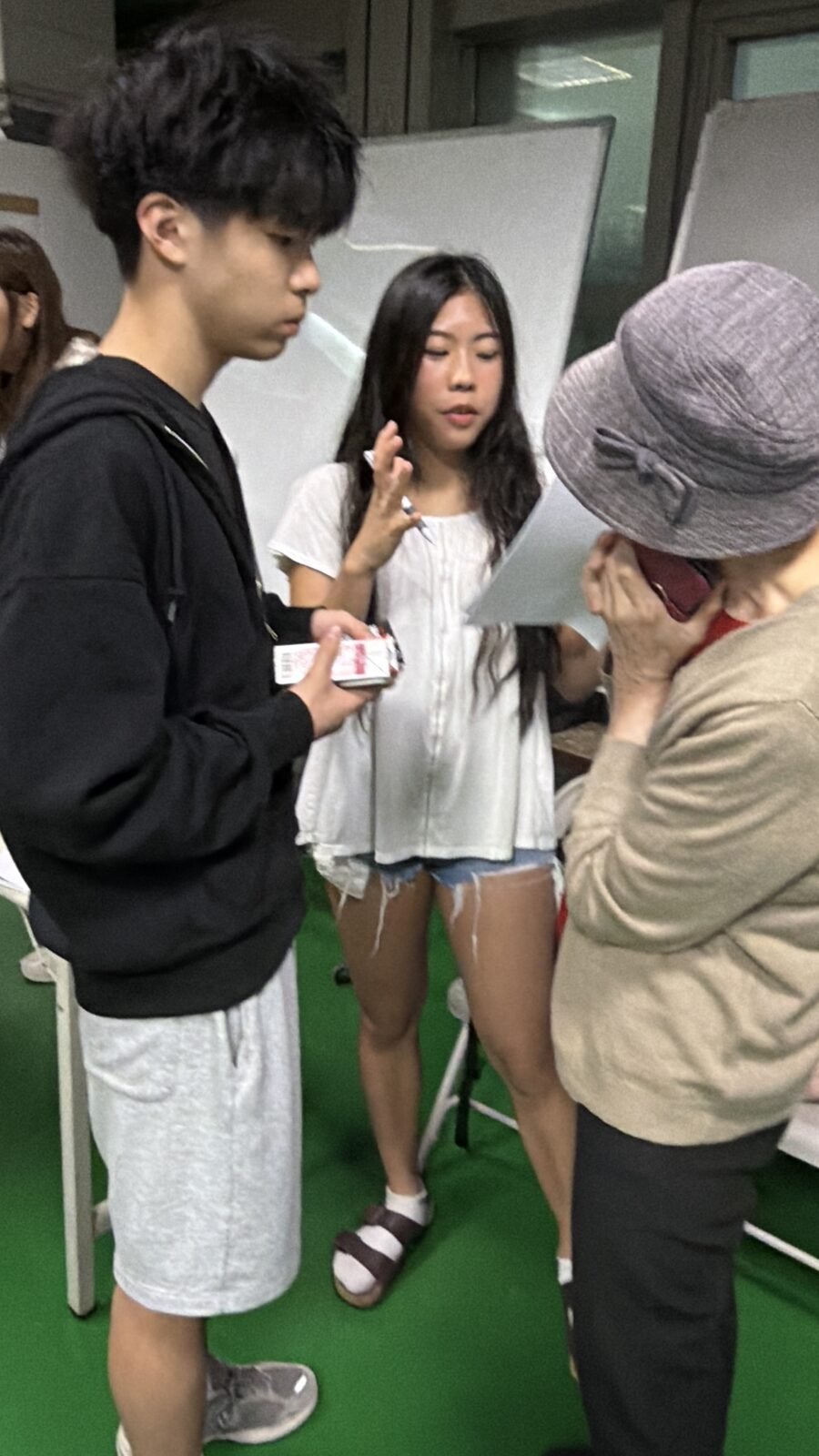
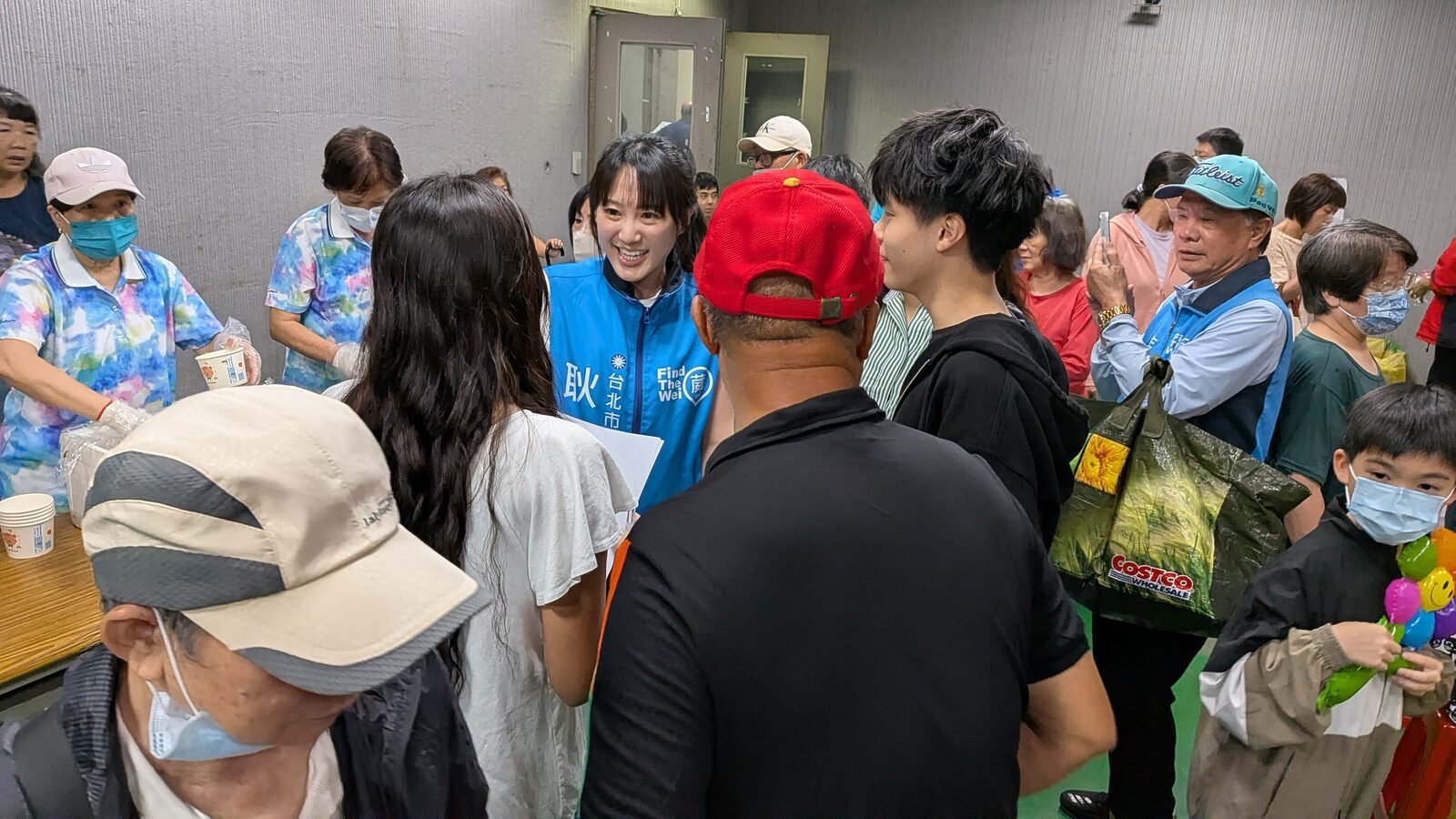
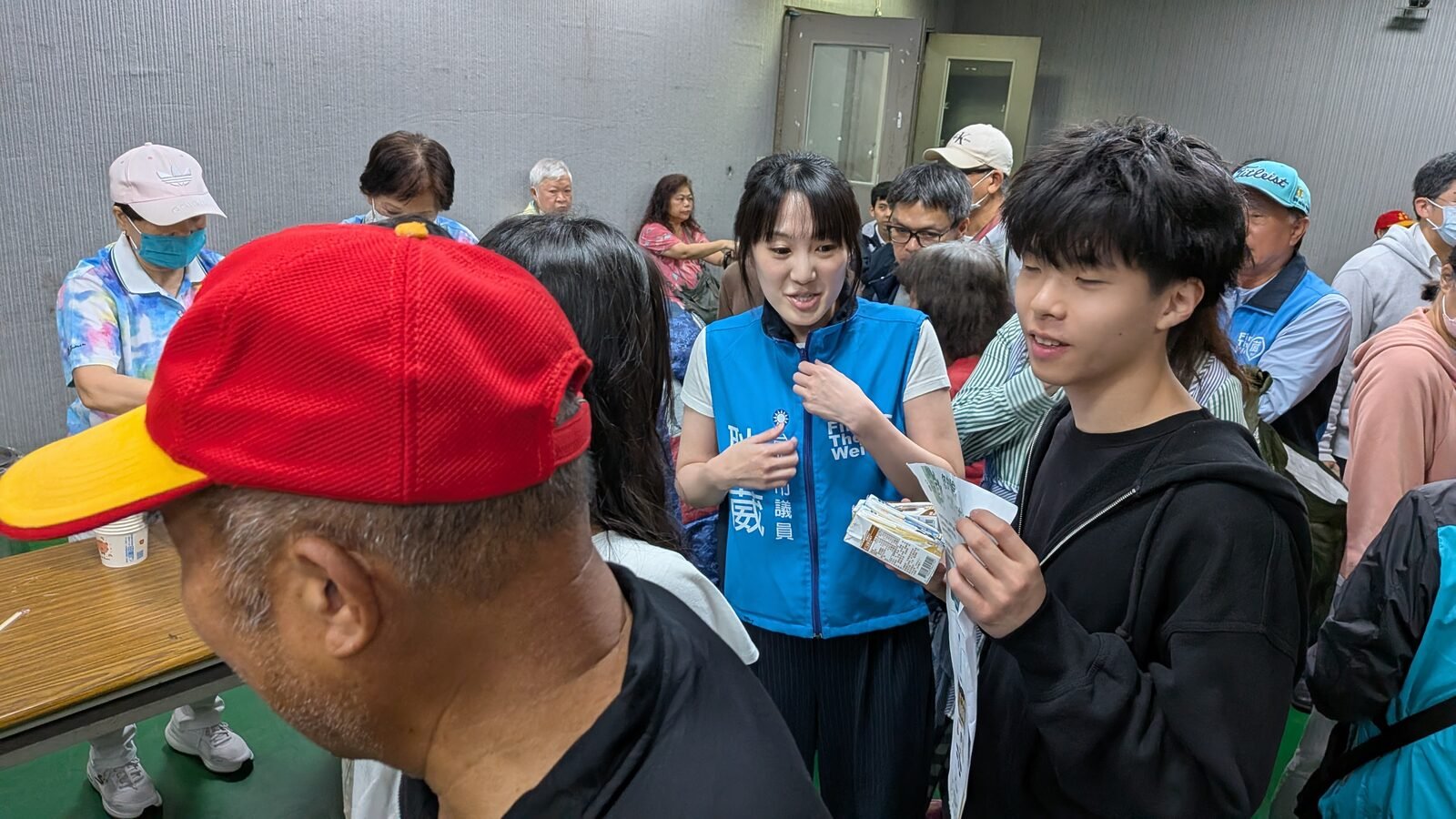
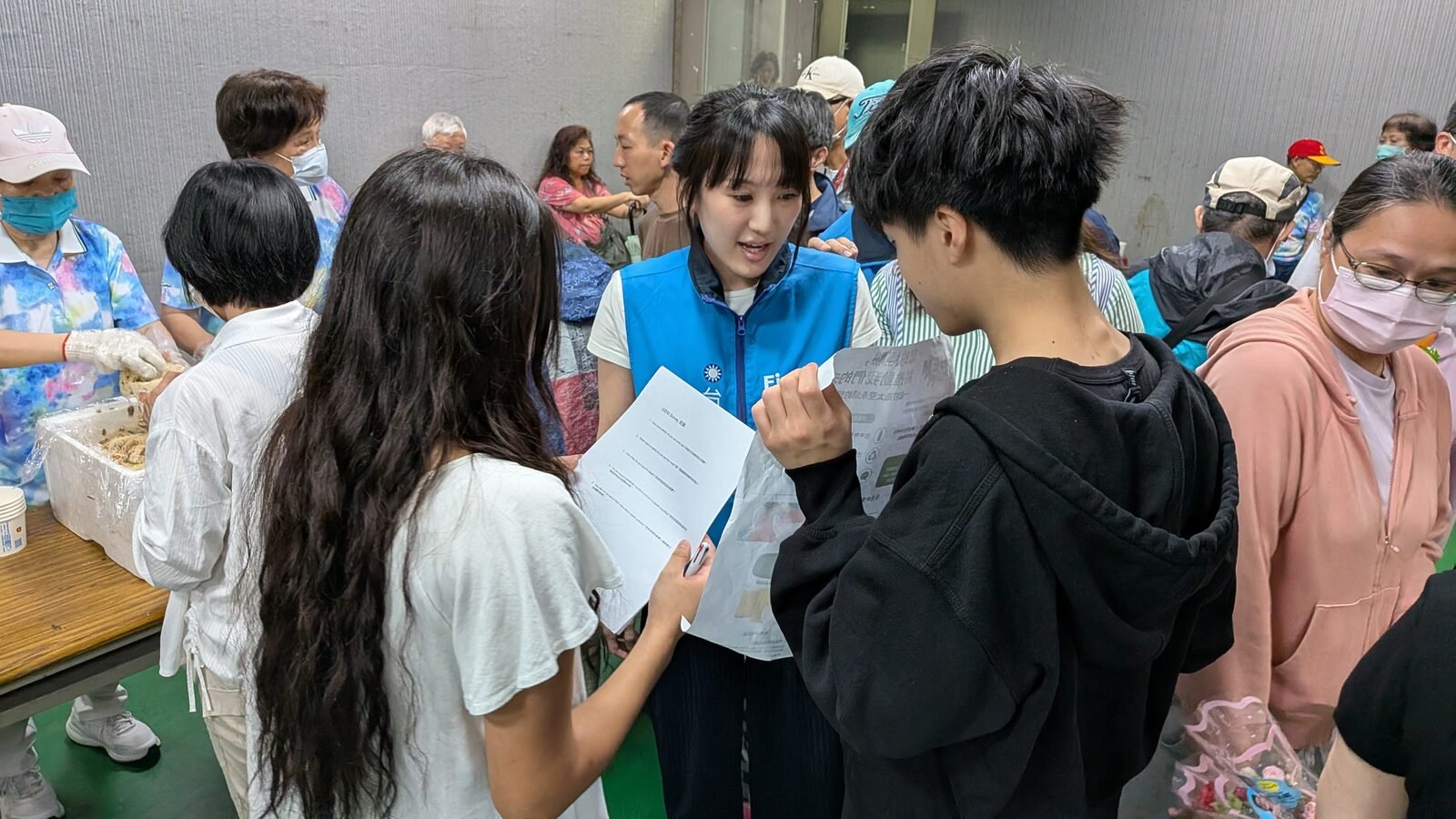
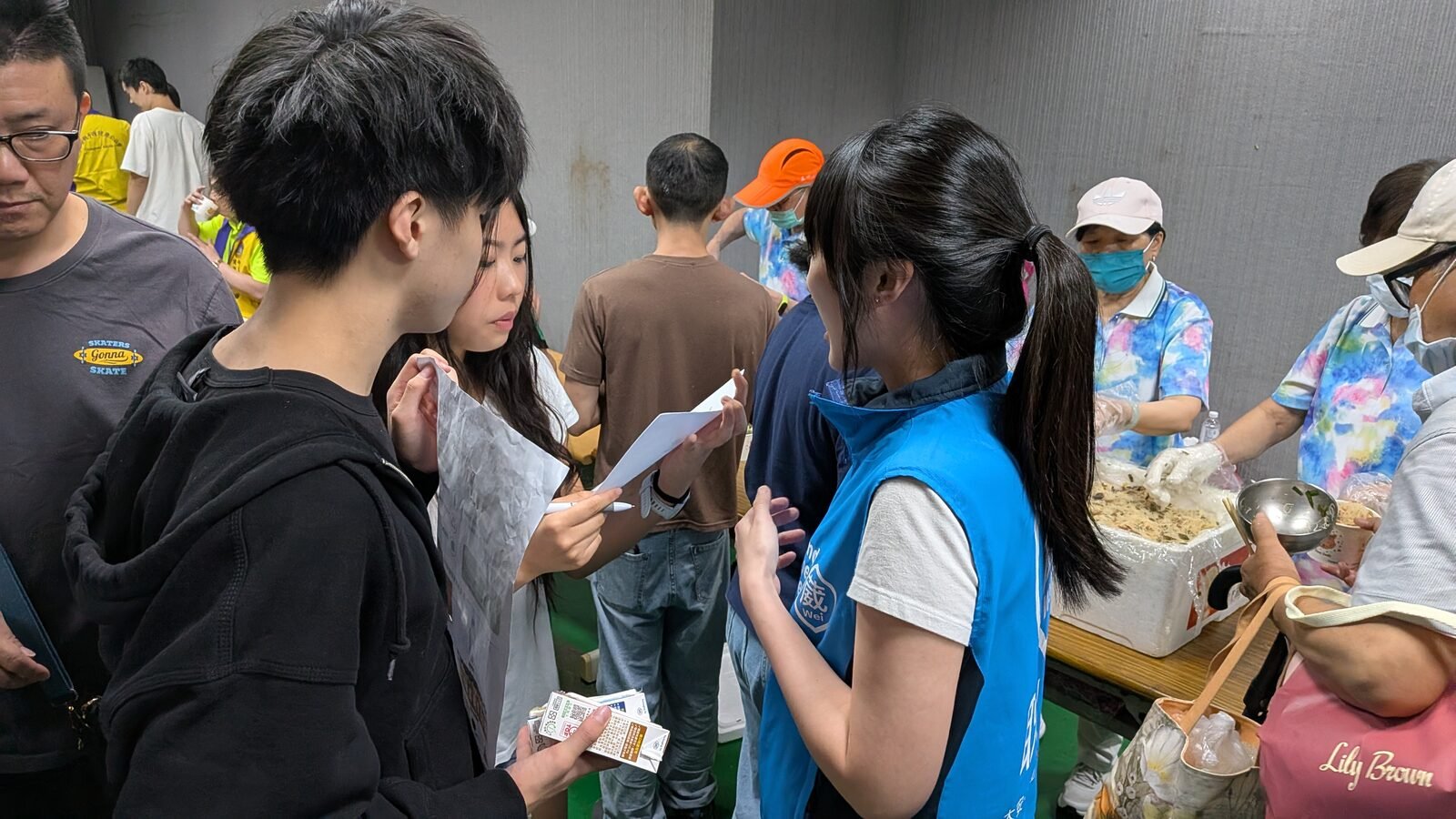
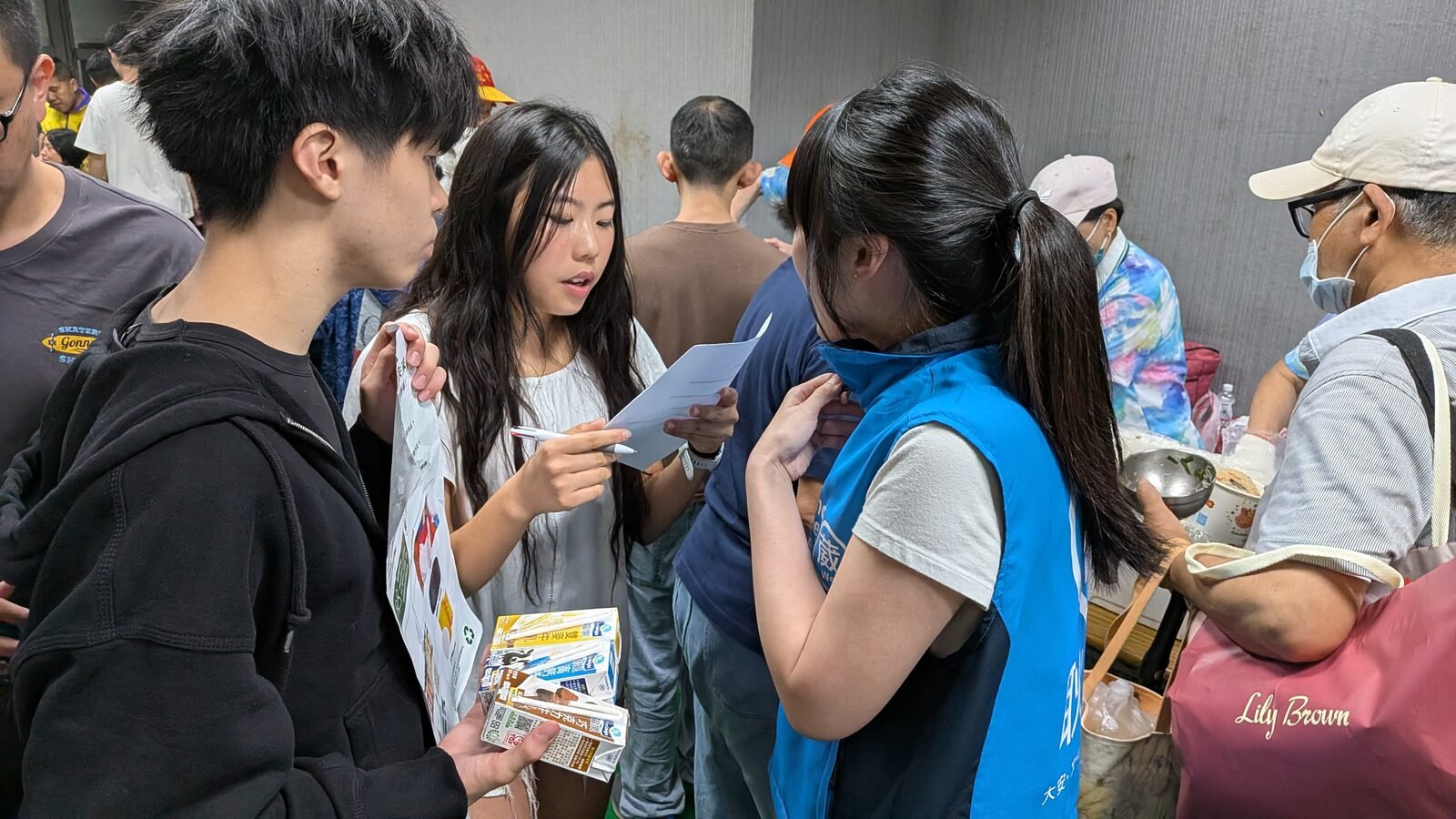
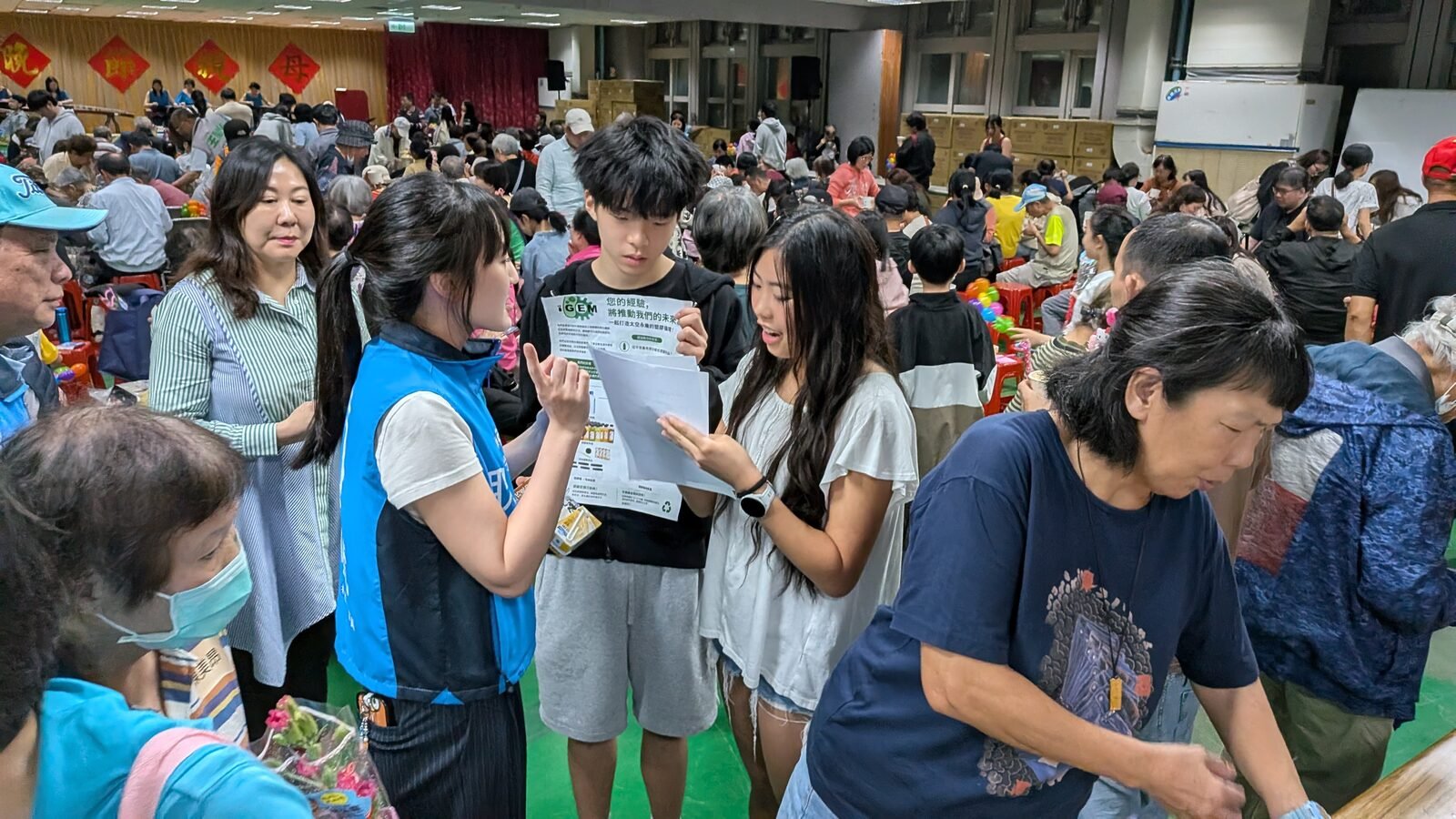
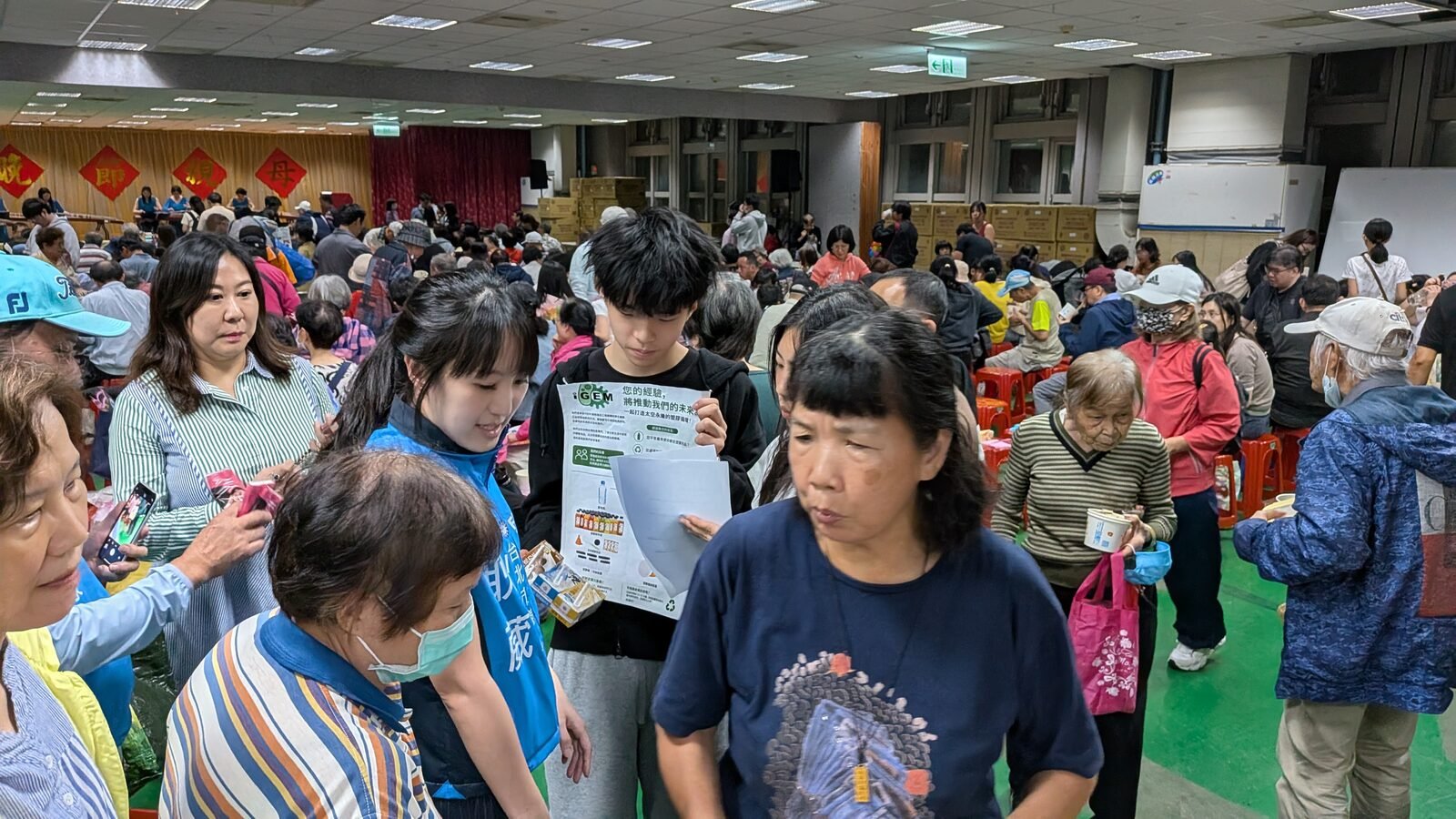
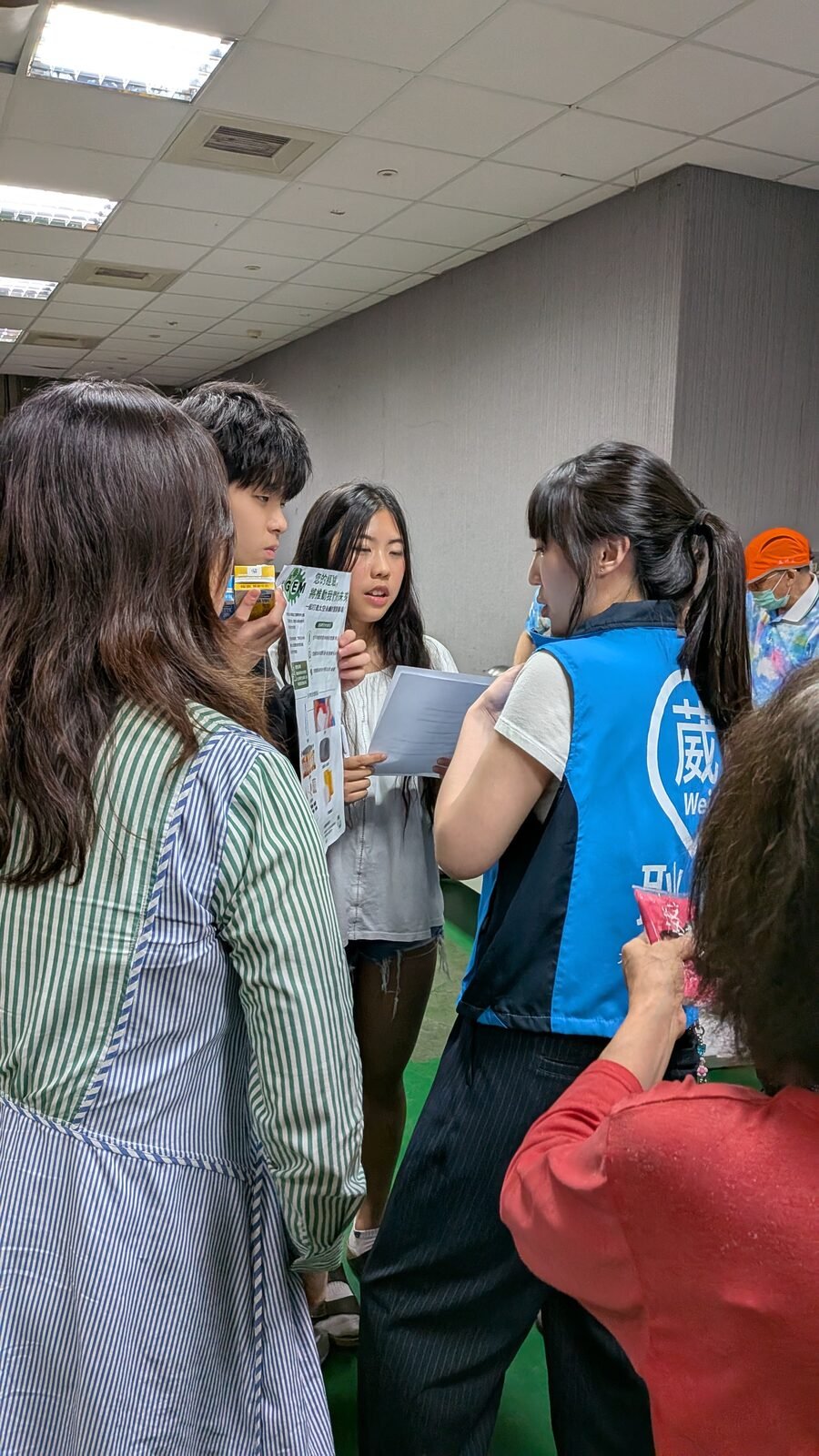
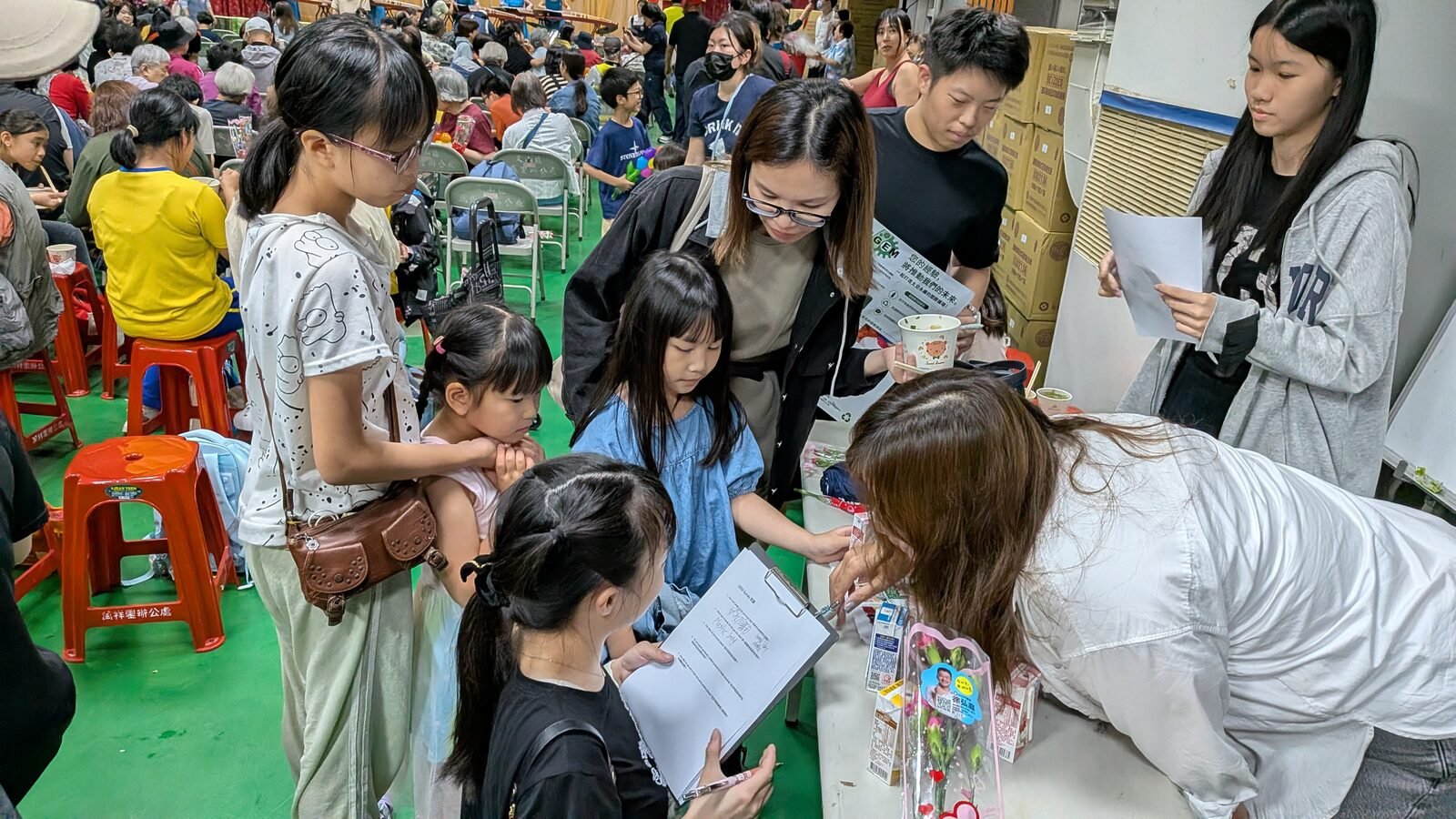
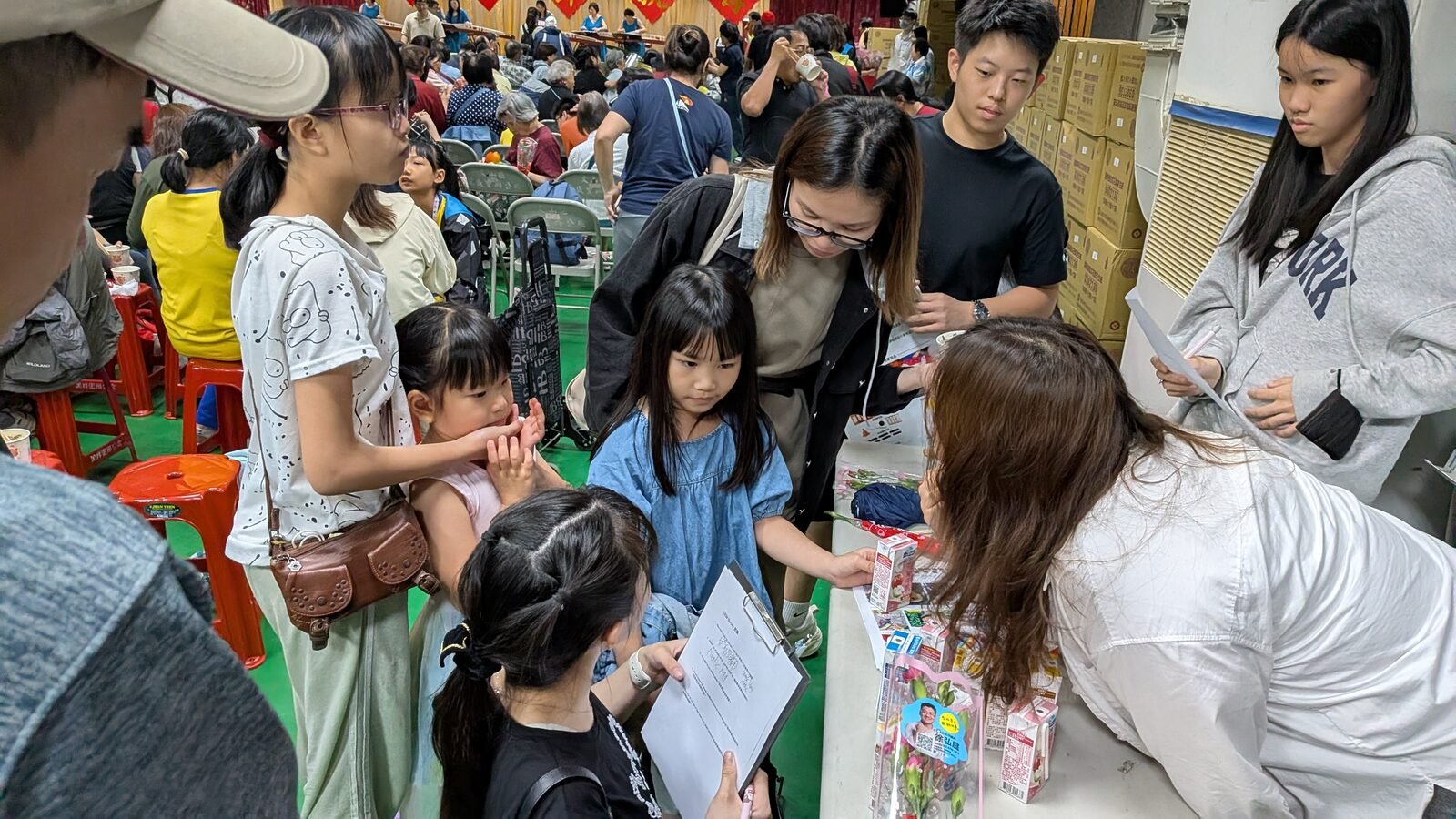
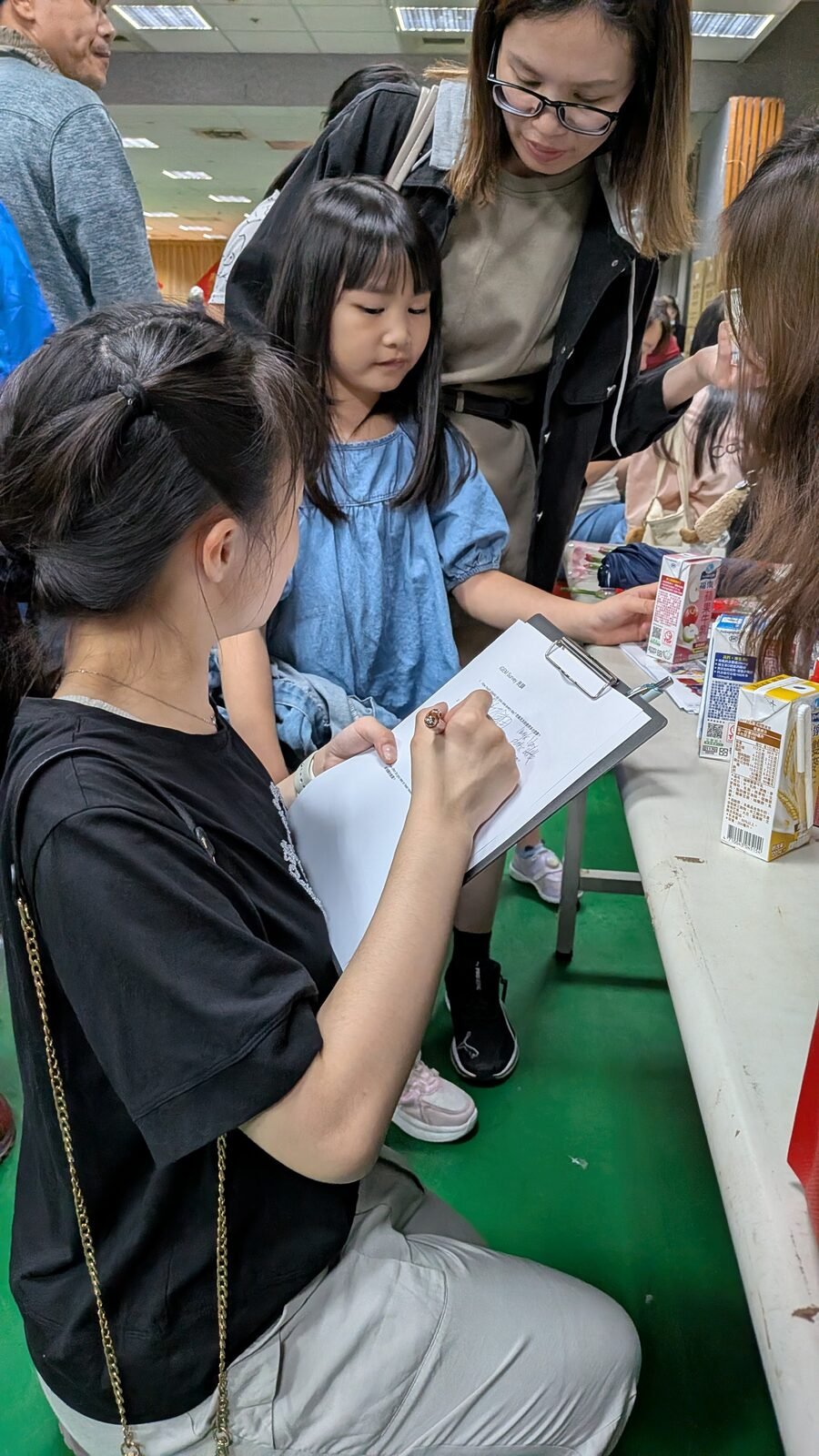
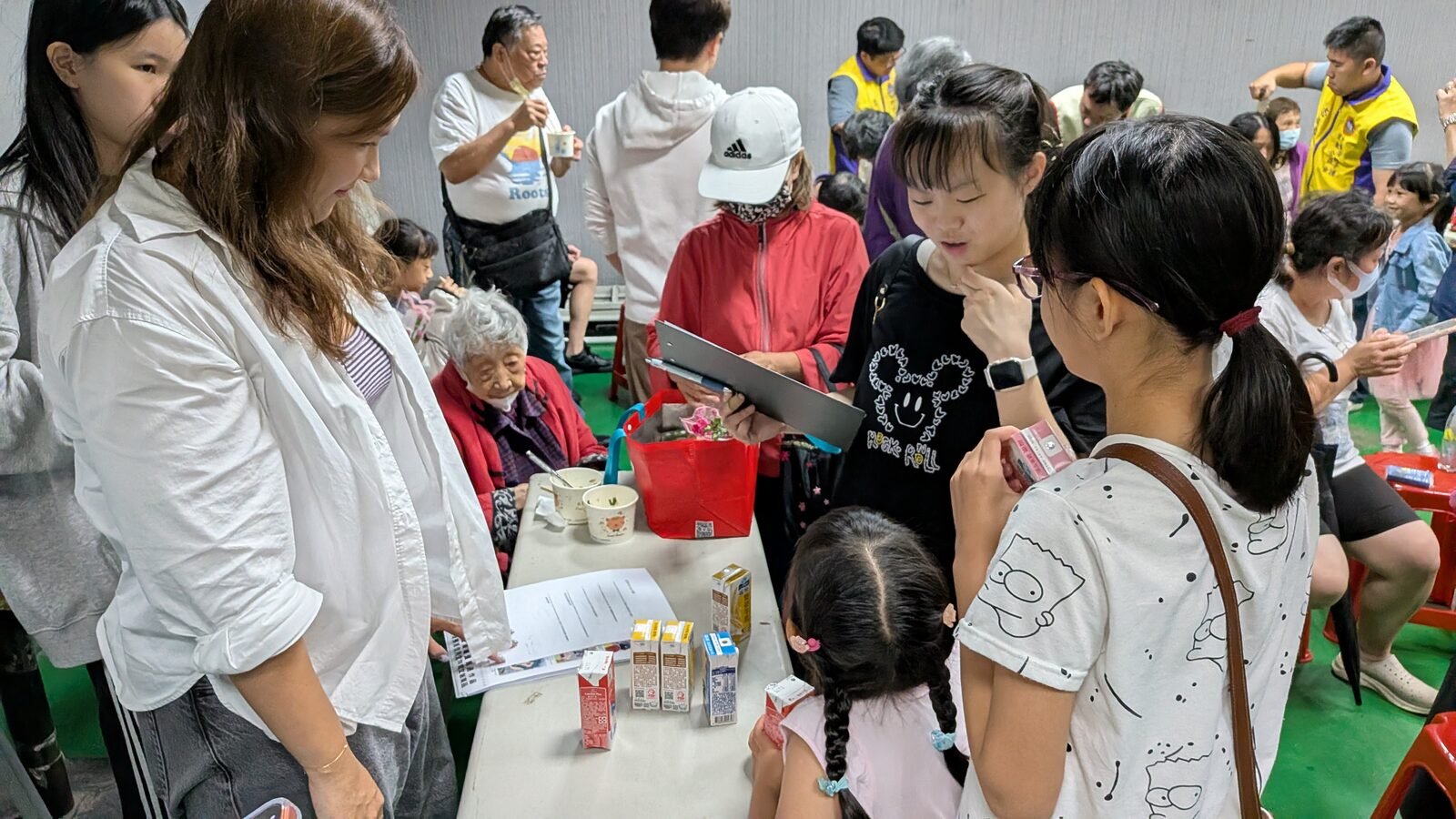
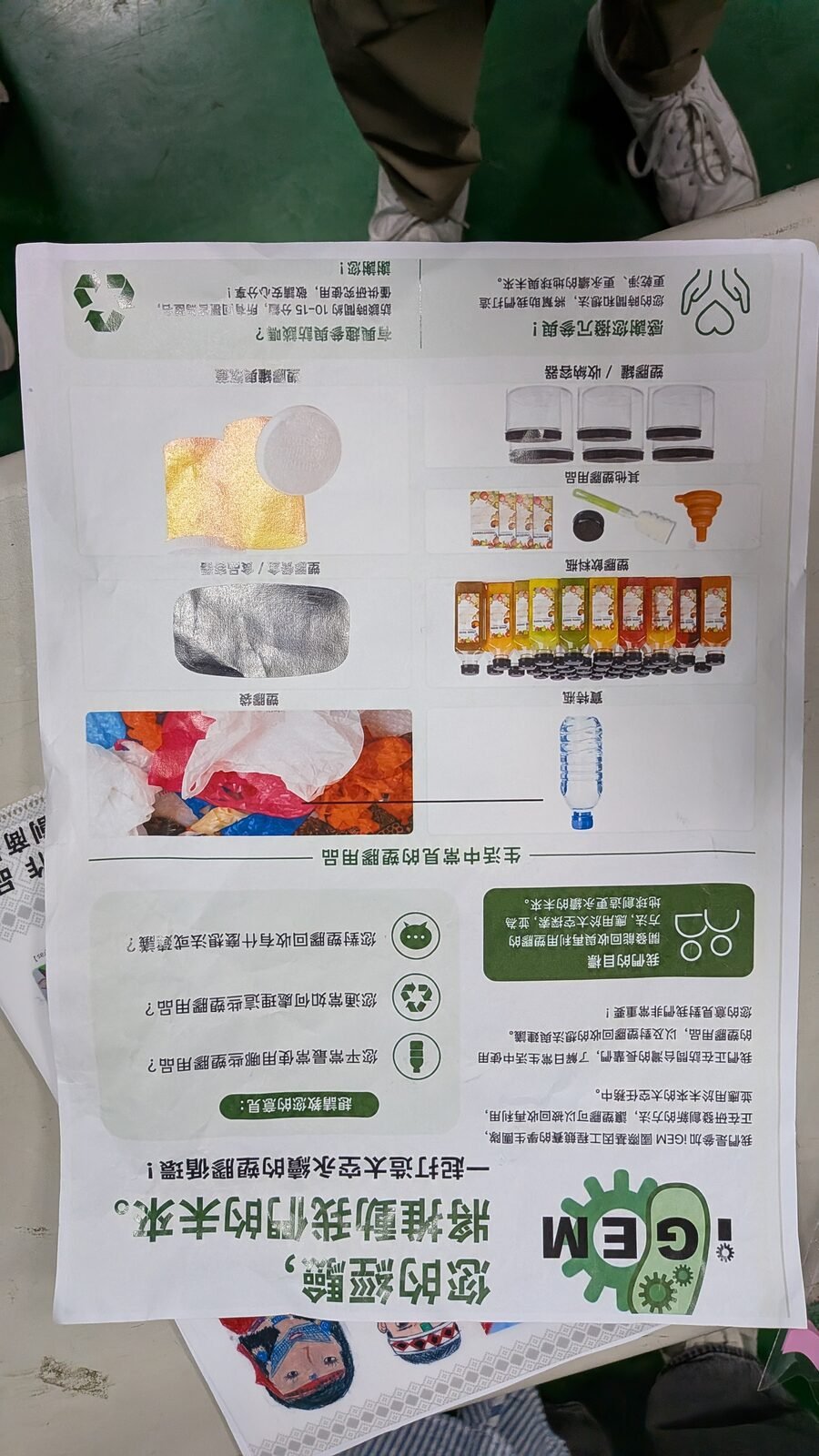
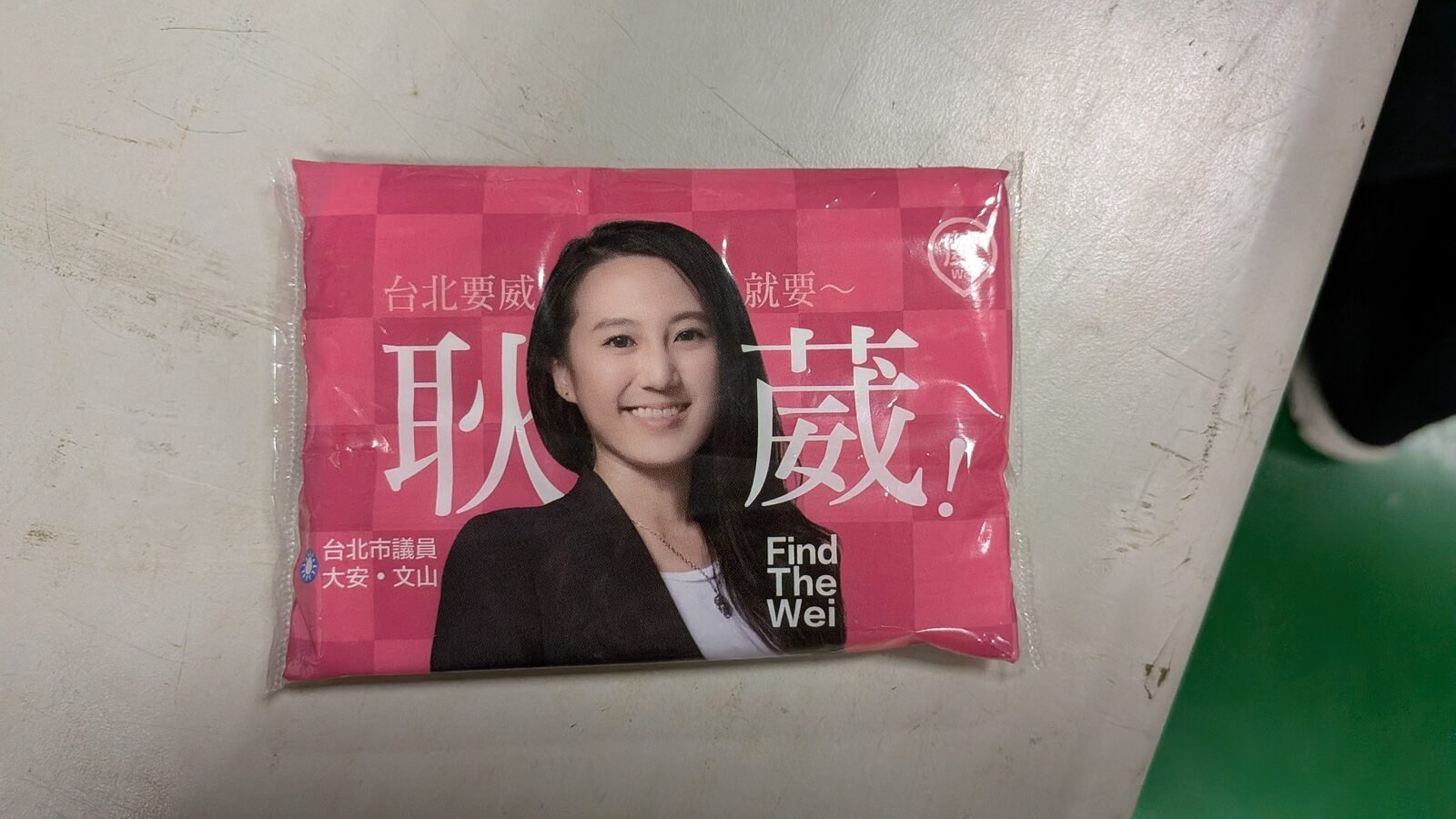
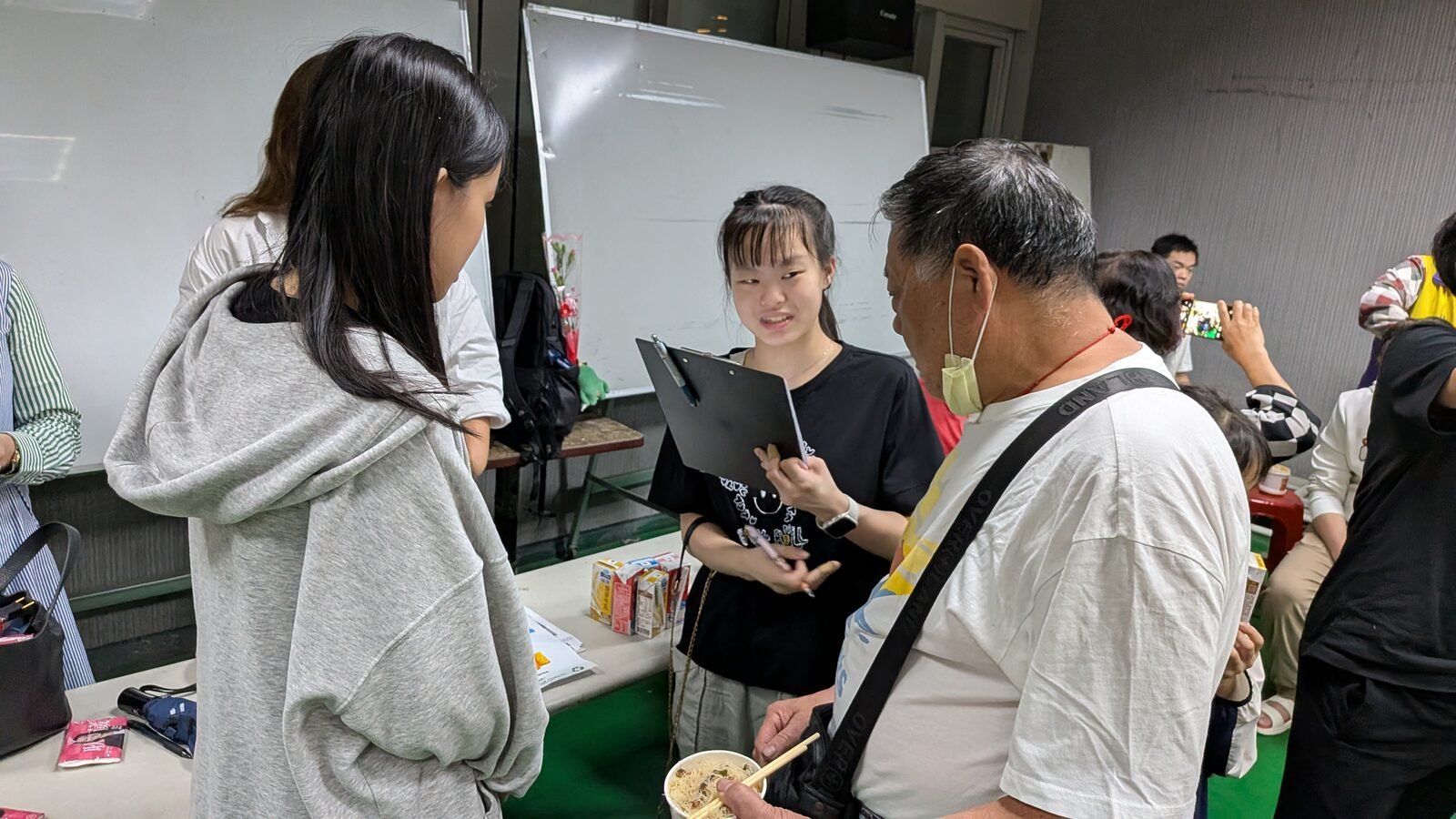
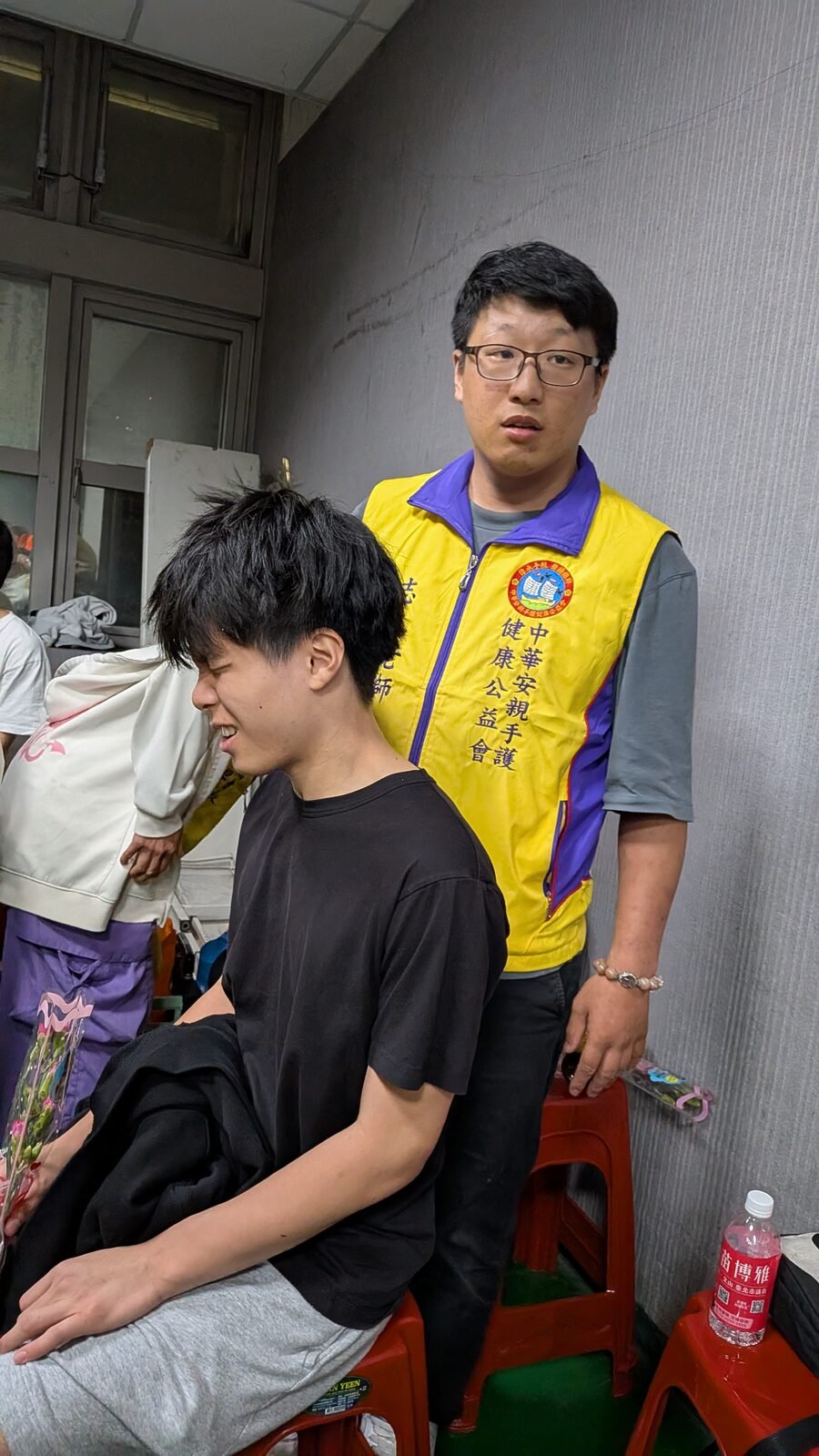
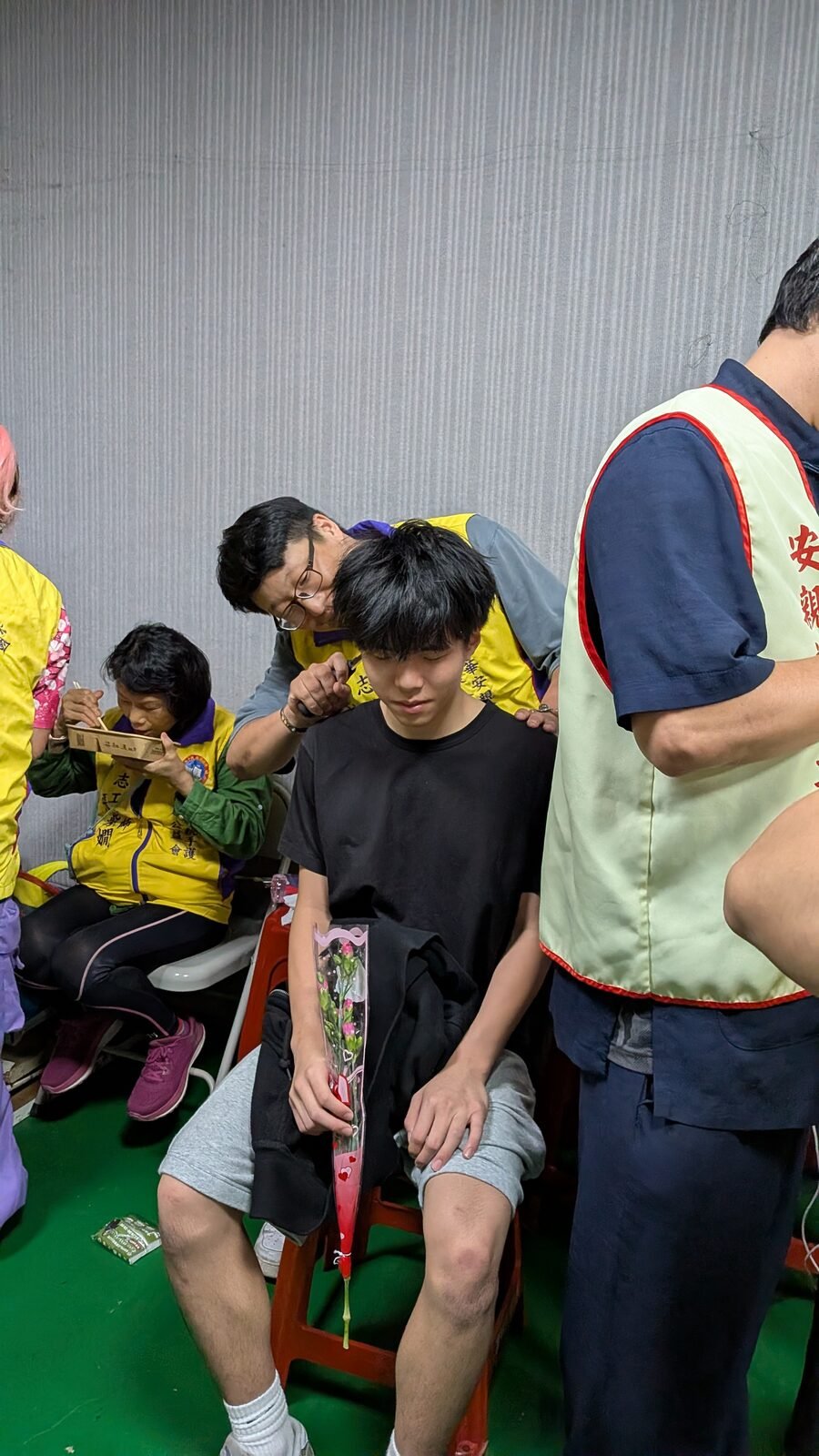
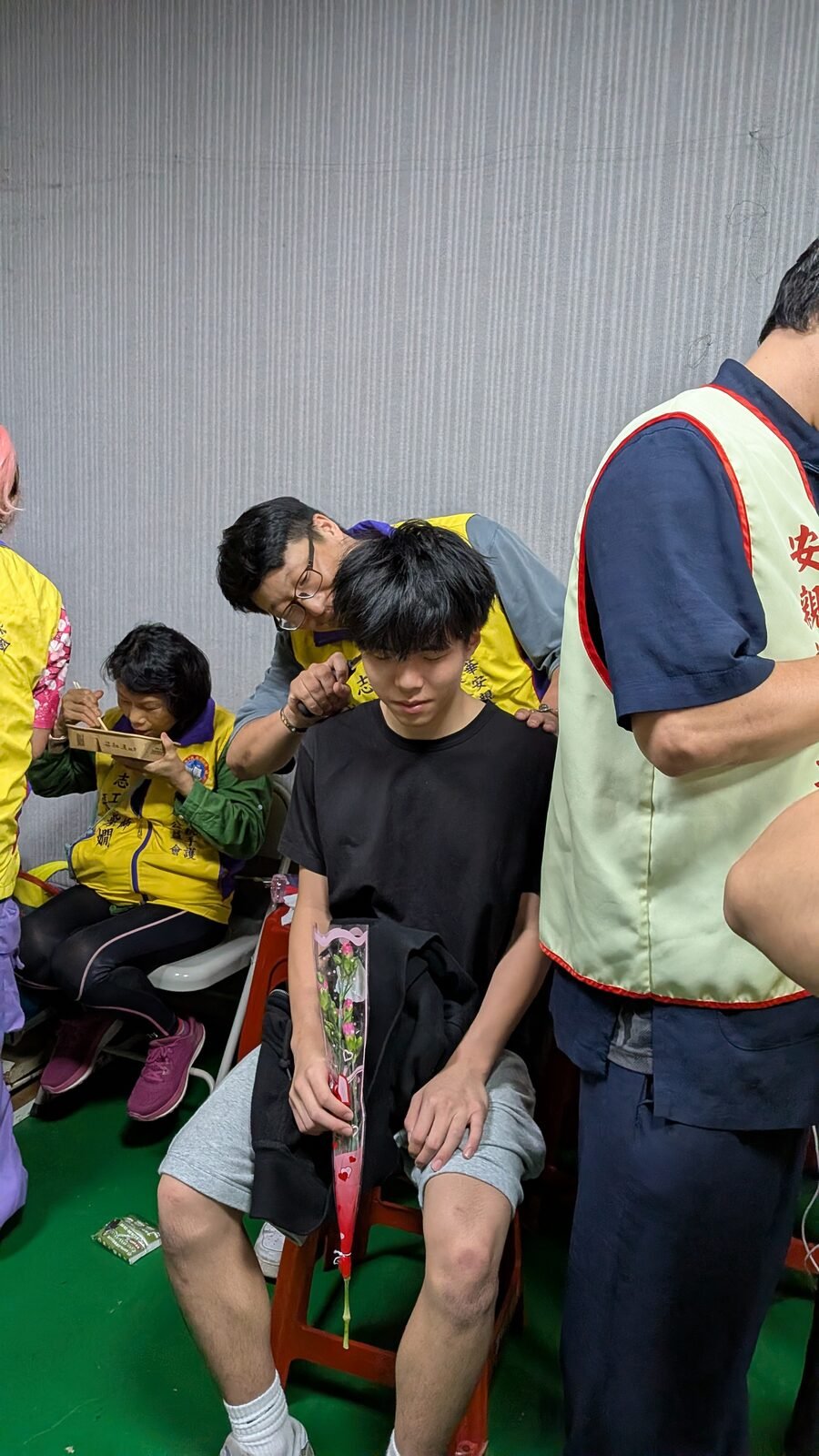
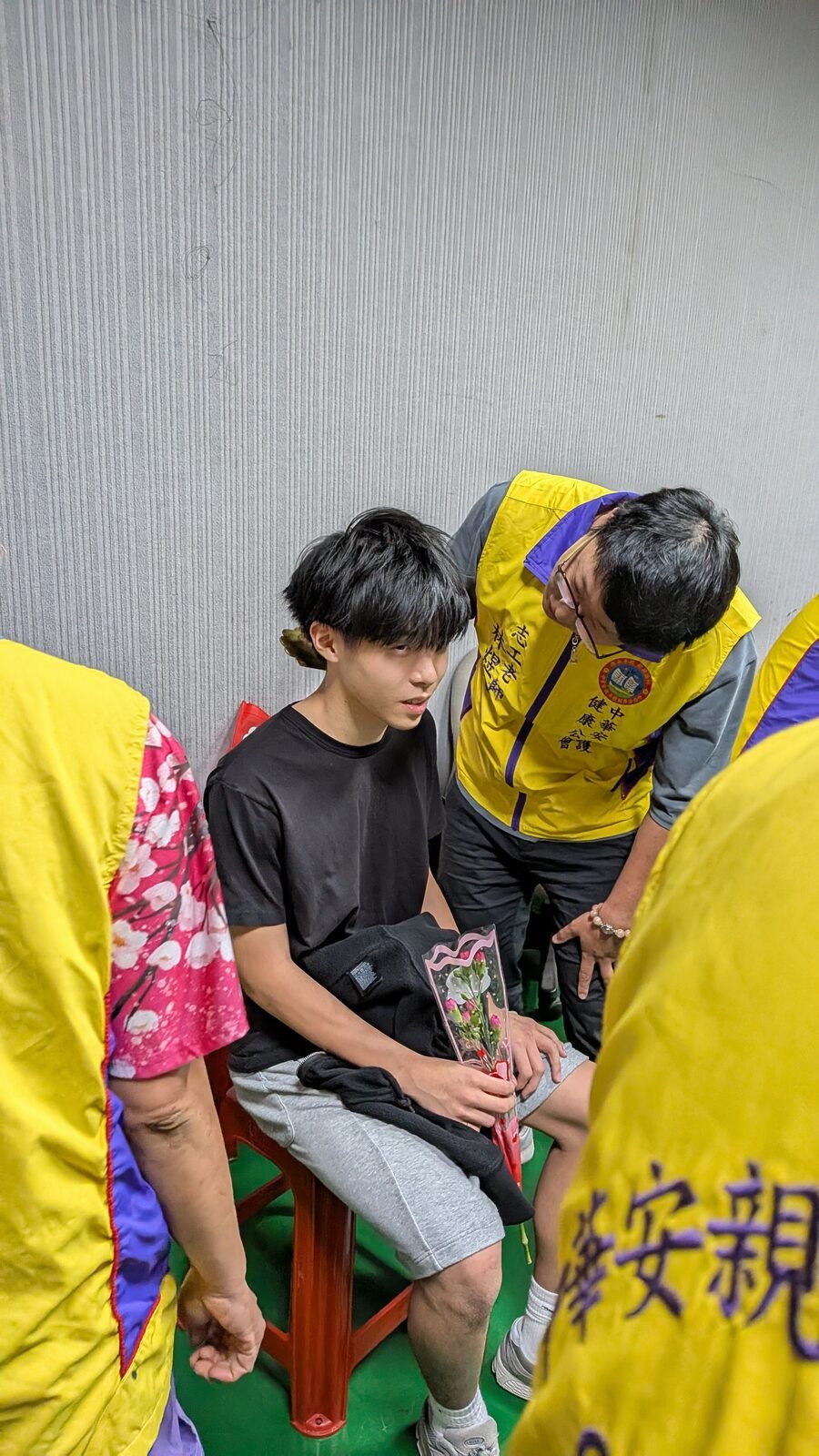
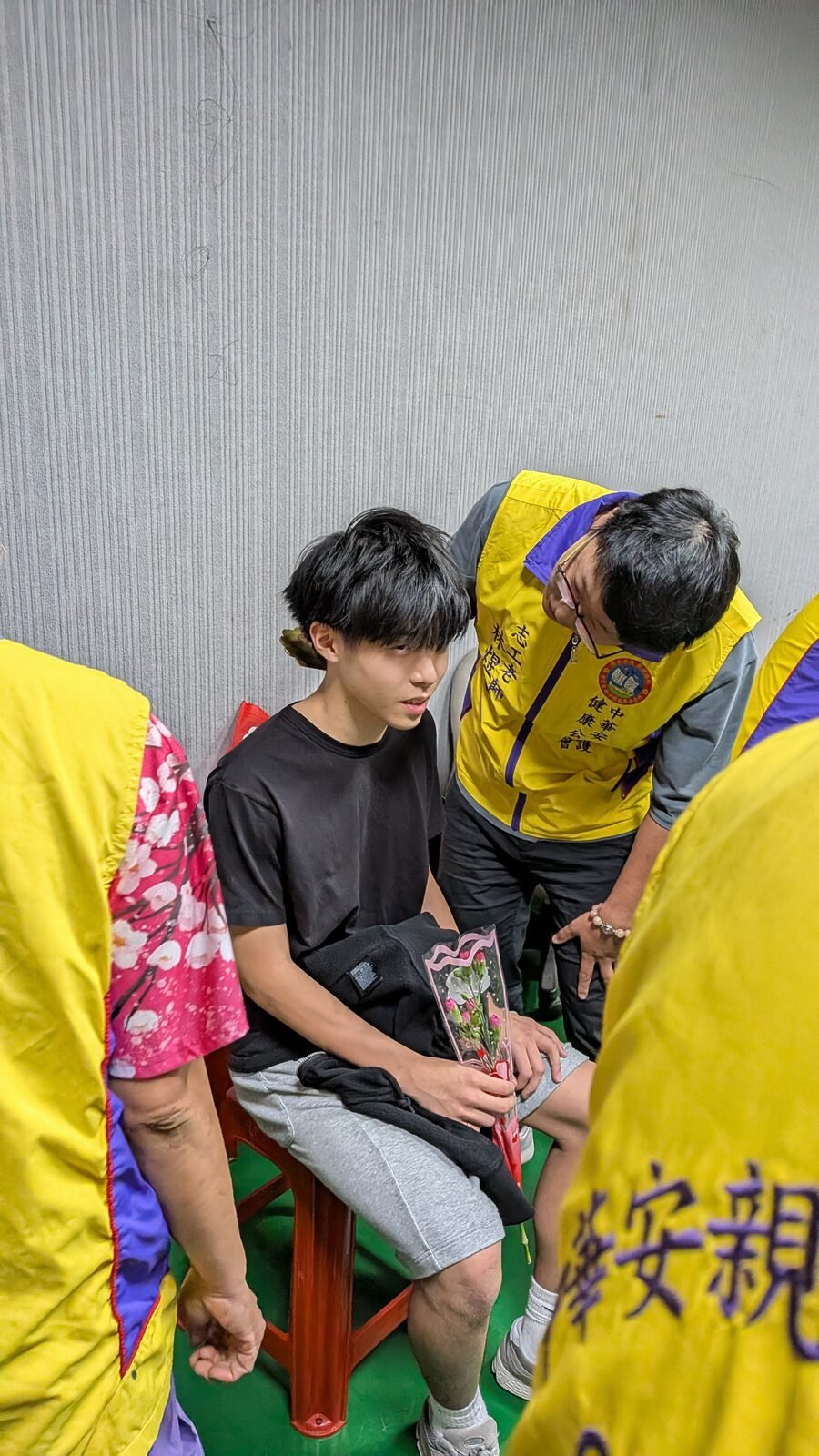
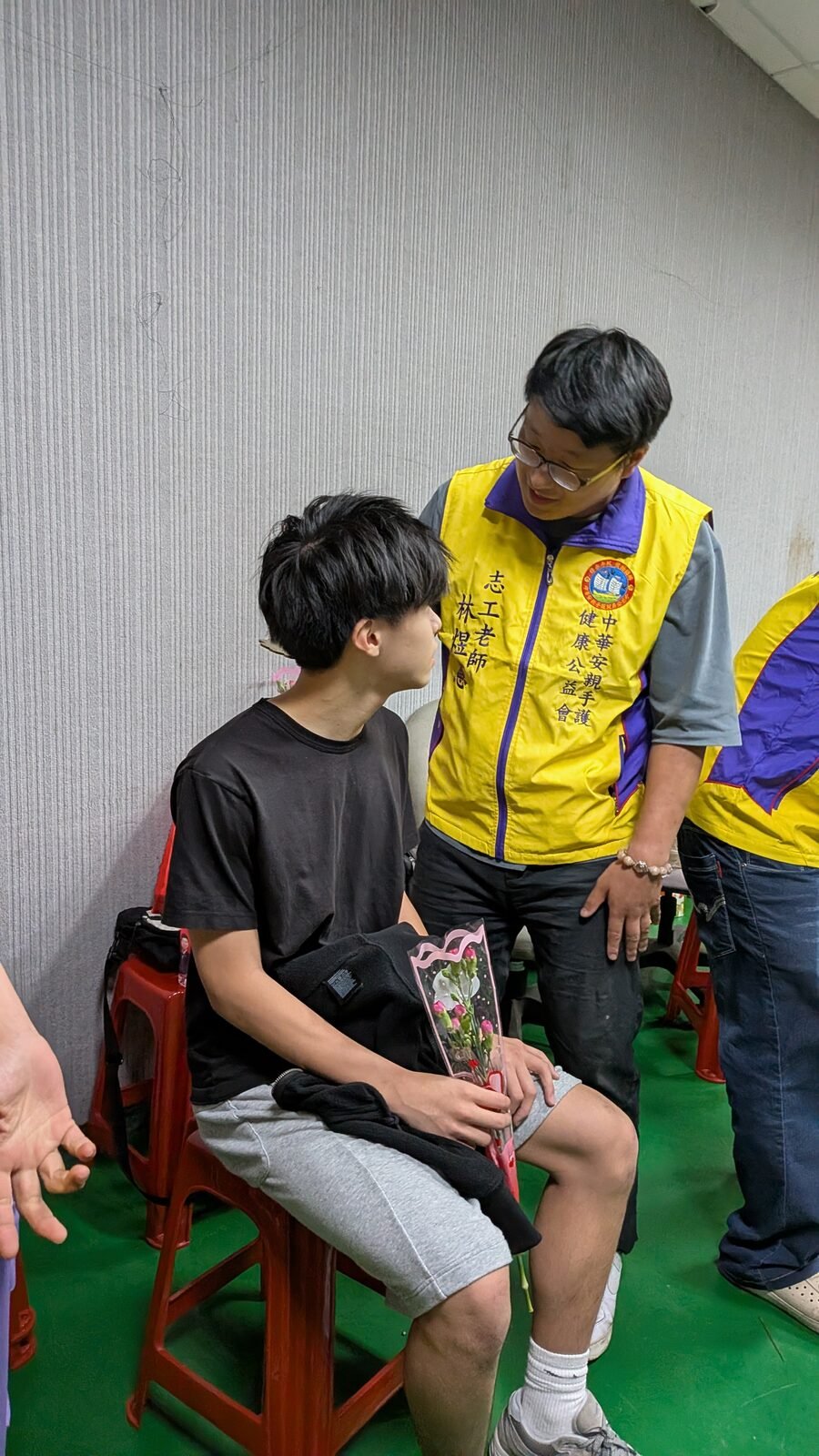
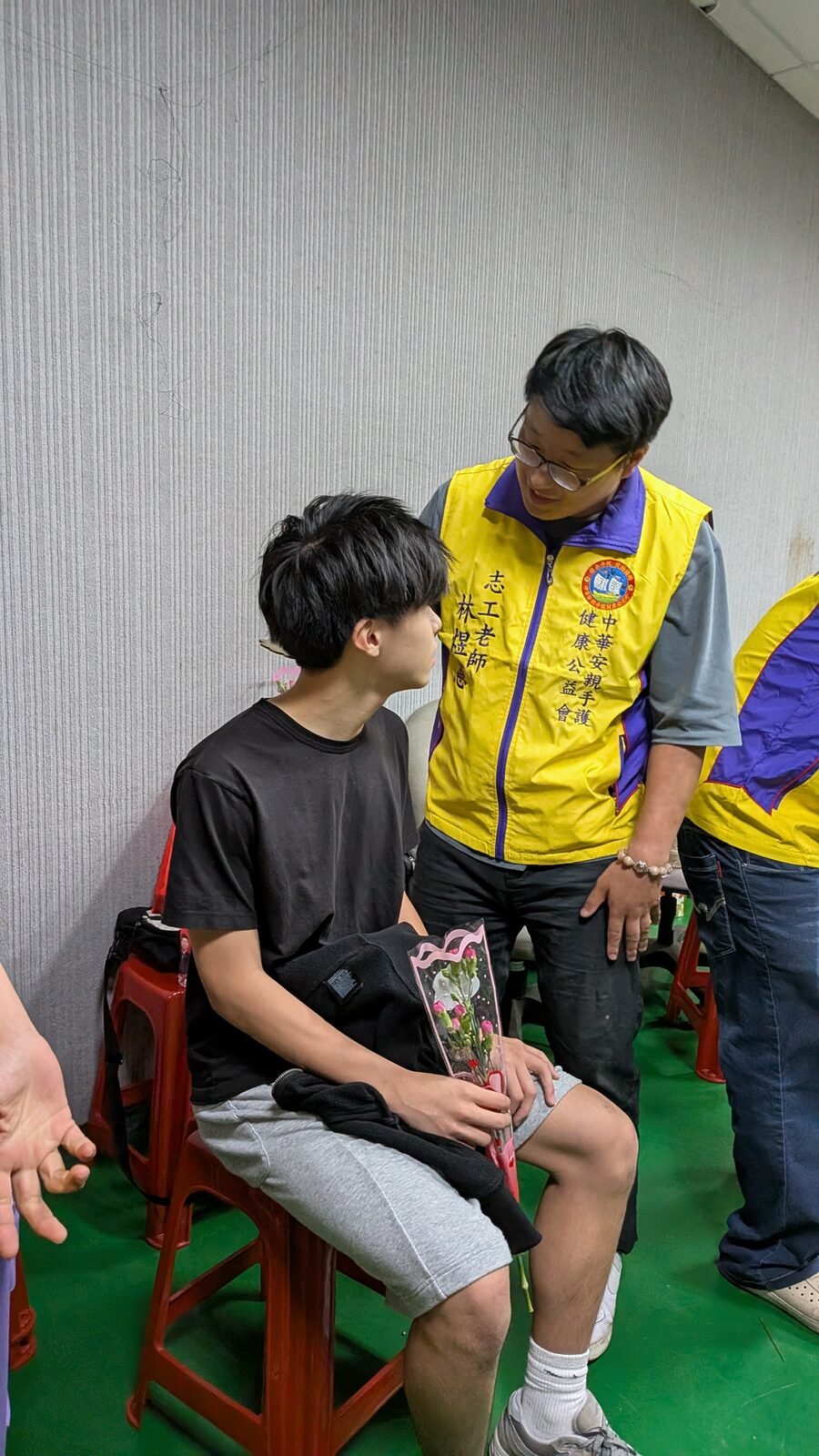
Jett's Version: A SynBio curriculum, built for actual classrooms.
The section below is a separate, independently-written draft, produced by a team member outside the main documentation process. Kept here for reference and comparison; not yet fact-checked by team leadership.
Four workshops, ~86 high-school students, three schools — a curriculum written from scratch because existing options were described as either too watered down or requiring a costly kit; this one costs roughly $35 per classroom and is released openly.
Workshop 01 · Plastic, real and synthetic
A 75-minute classroom session on what plastic actually is, why it doesn't biodegrade, and what an enzyme does. No bench work — a single sheet with a polymer-chain drawing exercise on the back.
Workshop 02 · The chassis
Introduces plasmids, transformation, and the idea that genes can be moved between organisms, with a live demo of E. coli on agar plates (BSL-1, no genes of concern). Reportedly, half the students touched a plate for the first time in their lives.
Workshop 03 · The argument
A discussion-format session on biosafety: students wrote questions on a board, and the team tried to answer them honestly. Some questions couldn't be answered and went onto a "Questions for further work" sheet kept on the lab wall.
All four workshops — slides, handouts, and a demo-materials list with prices — are described as available under an open license (CC BY 4.0), with an explicit invitation for future iGEM teams or any teacher to fork and improve the curriculum.
Continue to Jett's Version of Inclusivity → · Back to Jett's Version of Human Practices