Mother's Day Educational Outreach
Our students reached out to members of the public on Mother's Day to educate them about the benefits of GMOs and synthetic biology as applied to recycling plastic.
Mother's Day Outreach – 8 May 2026
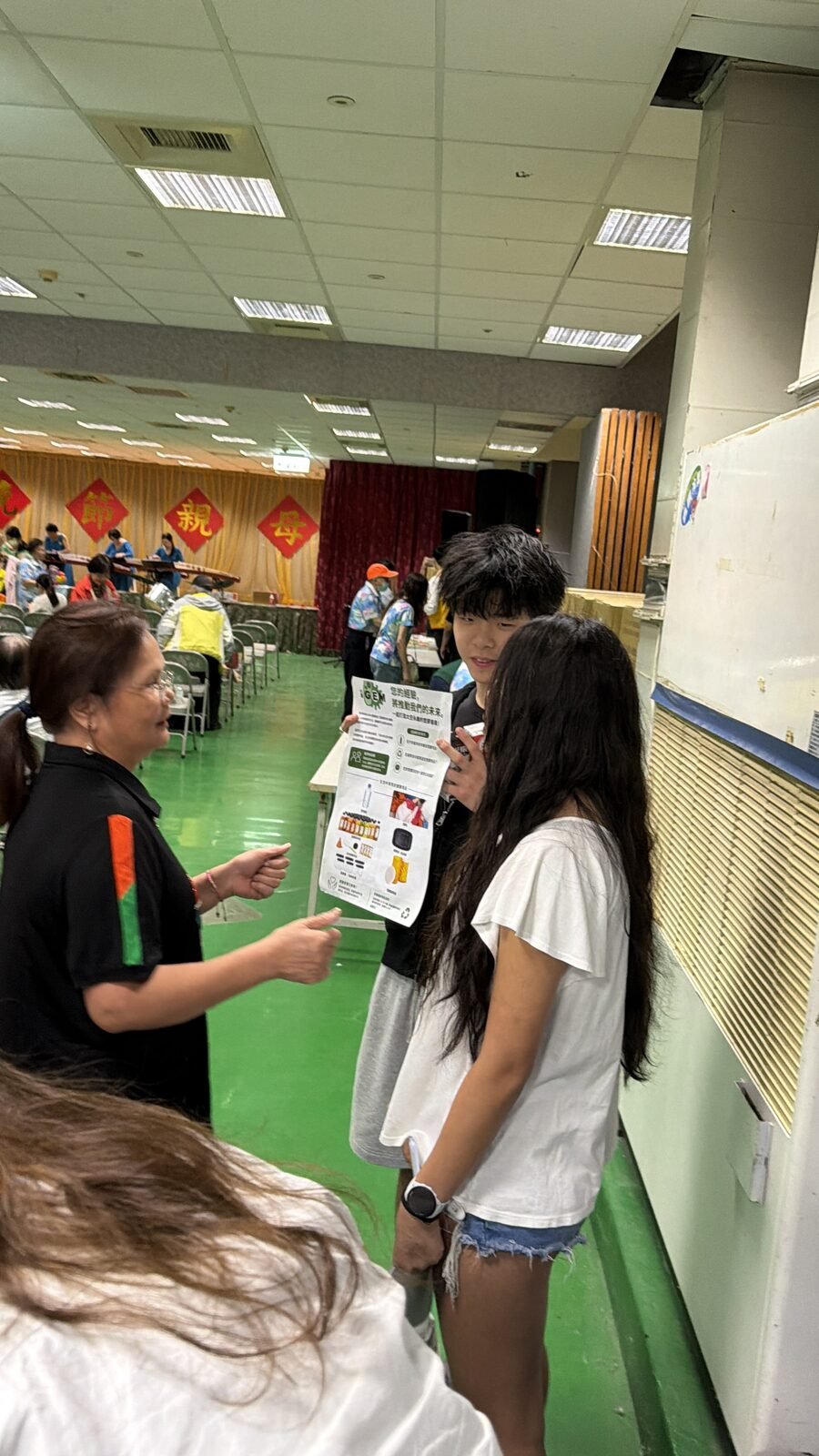
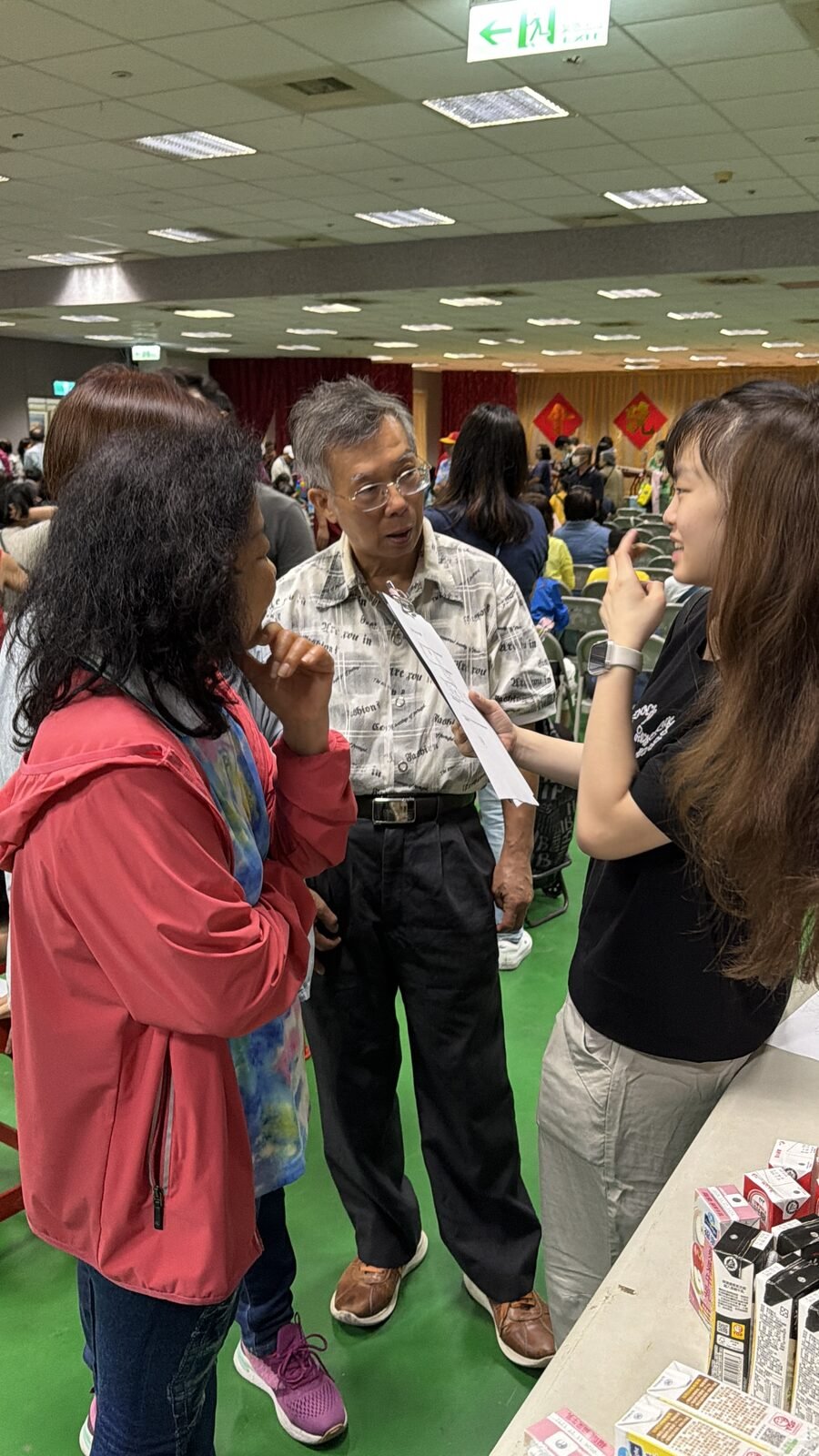
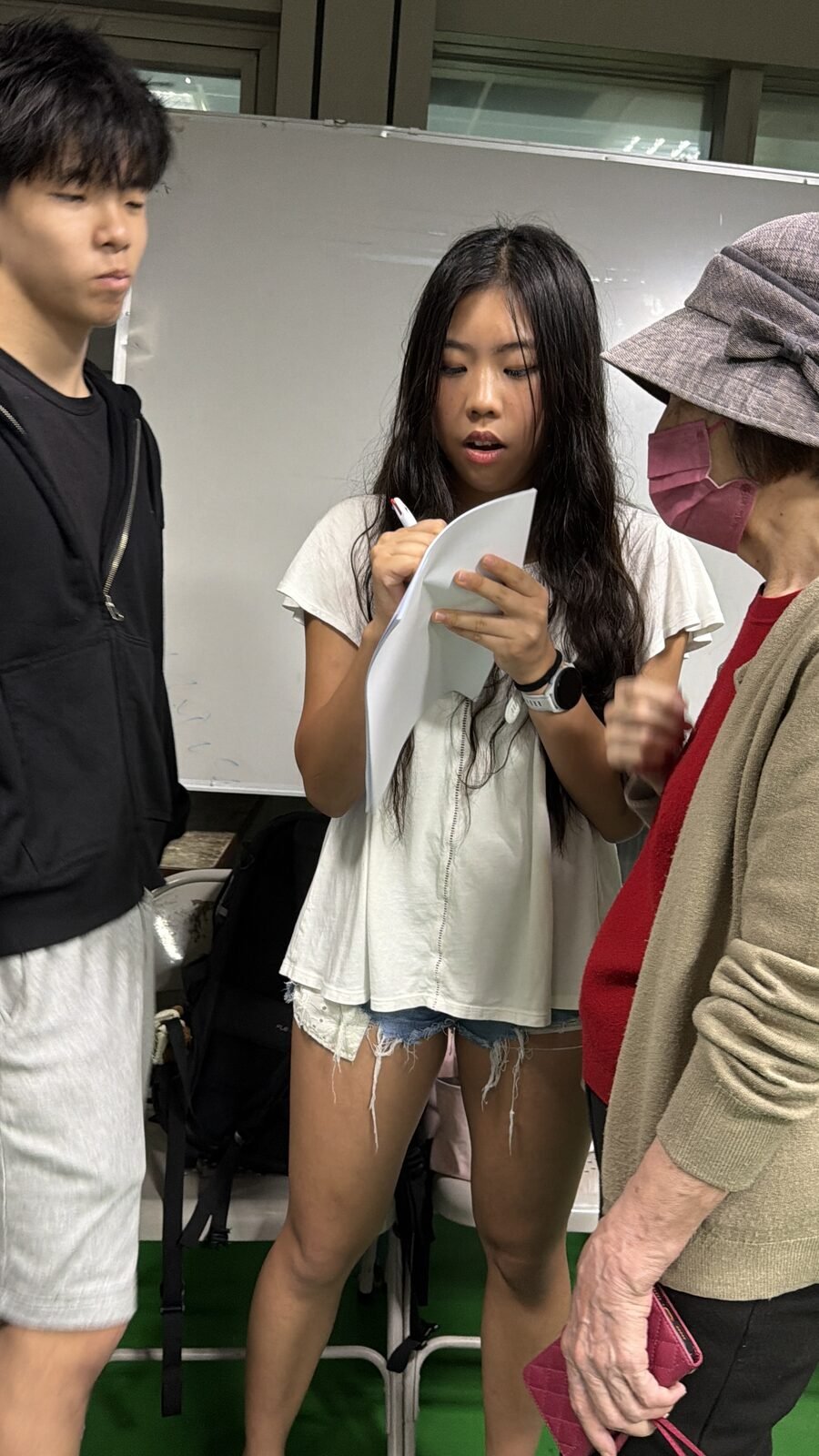
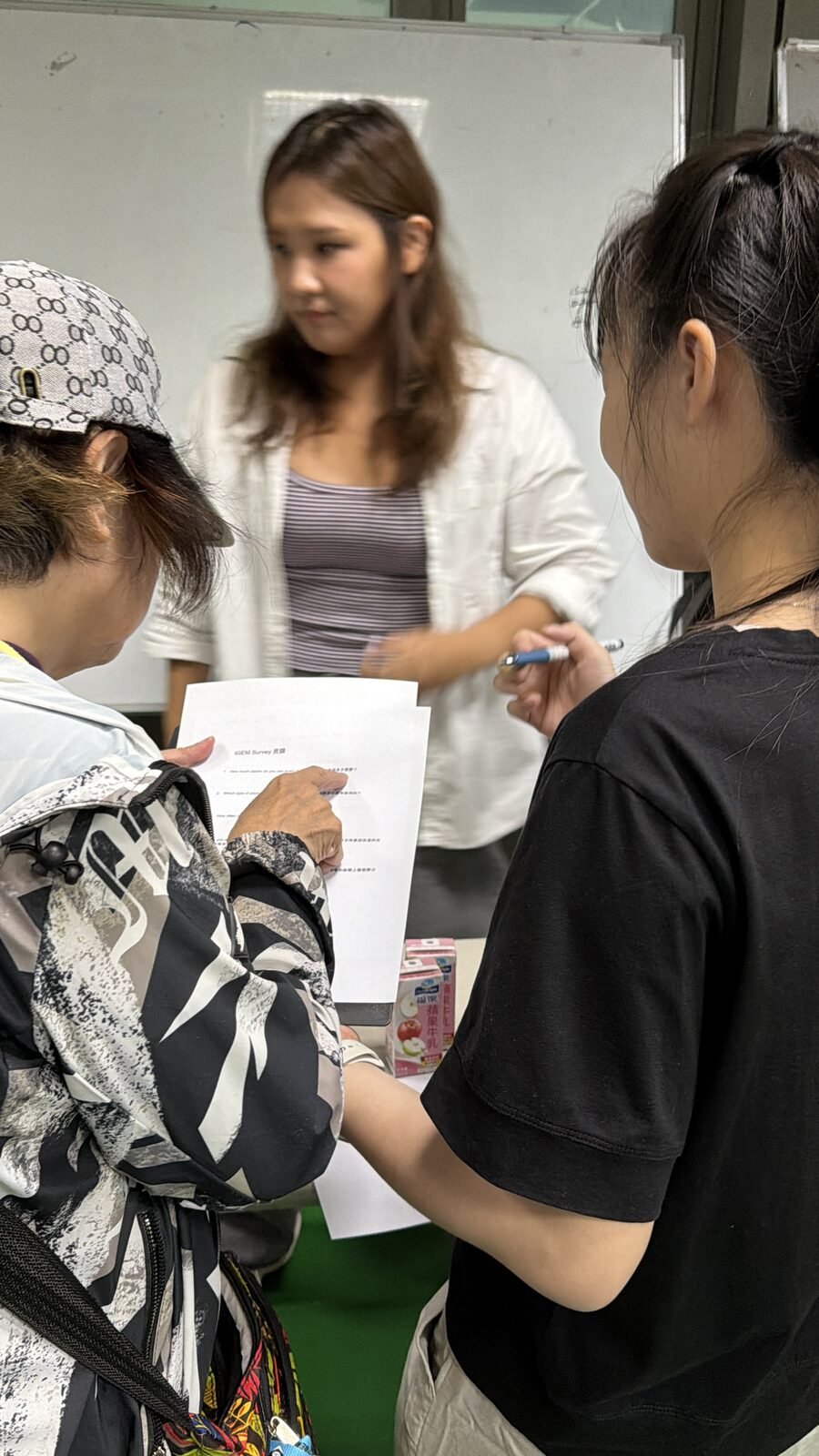
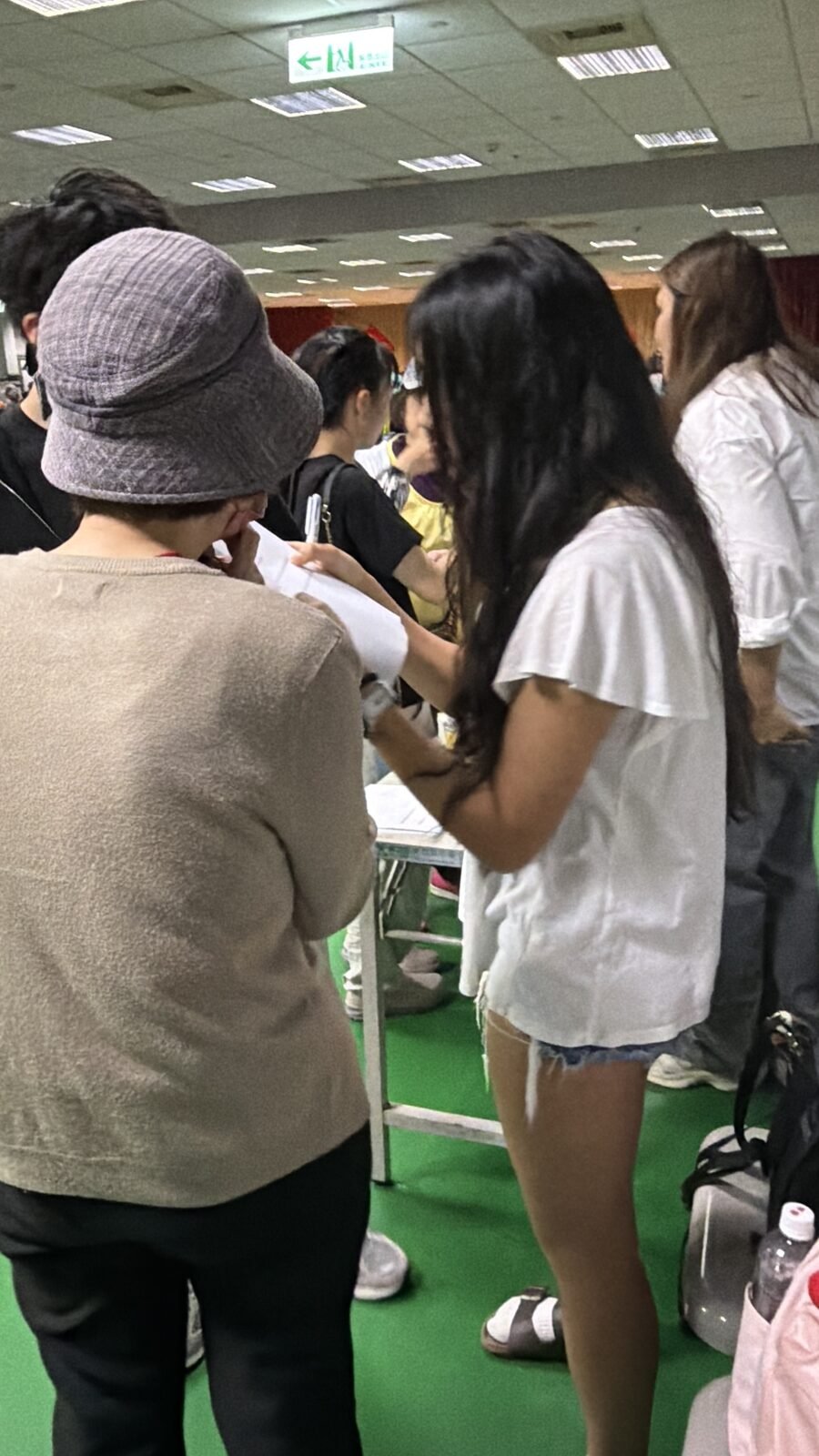
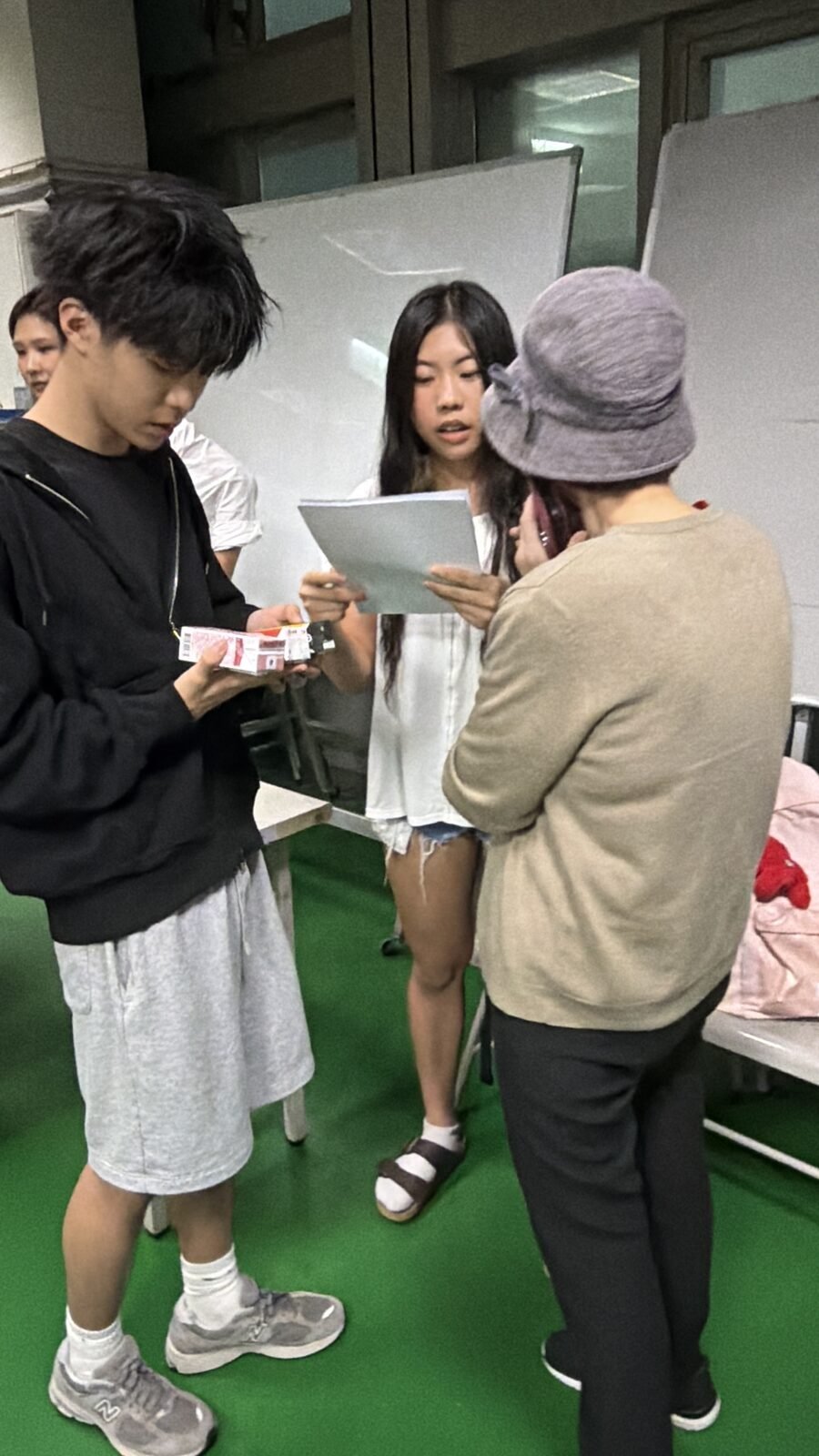
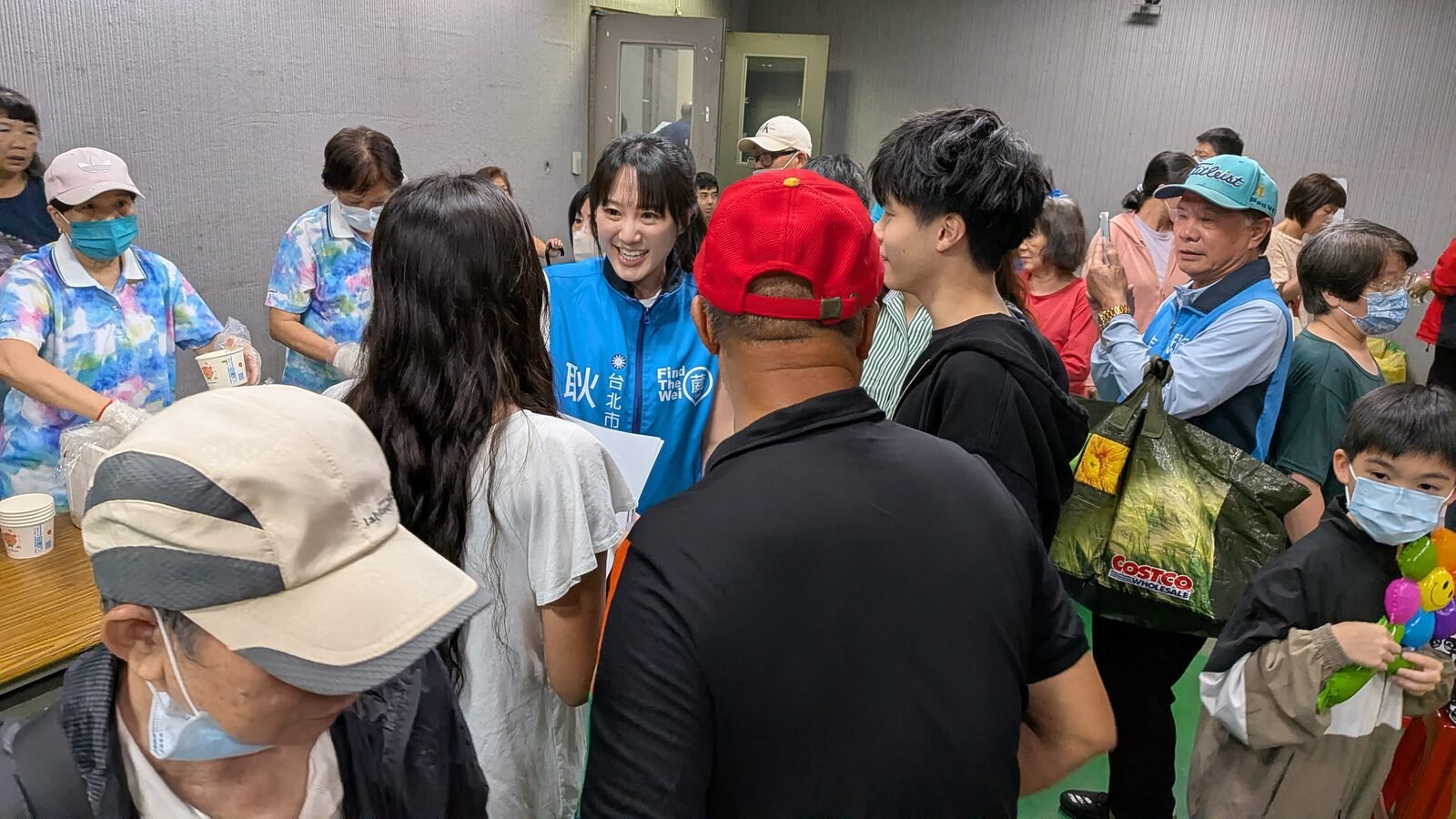
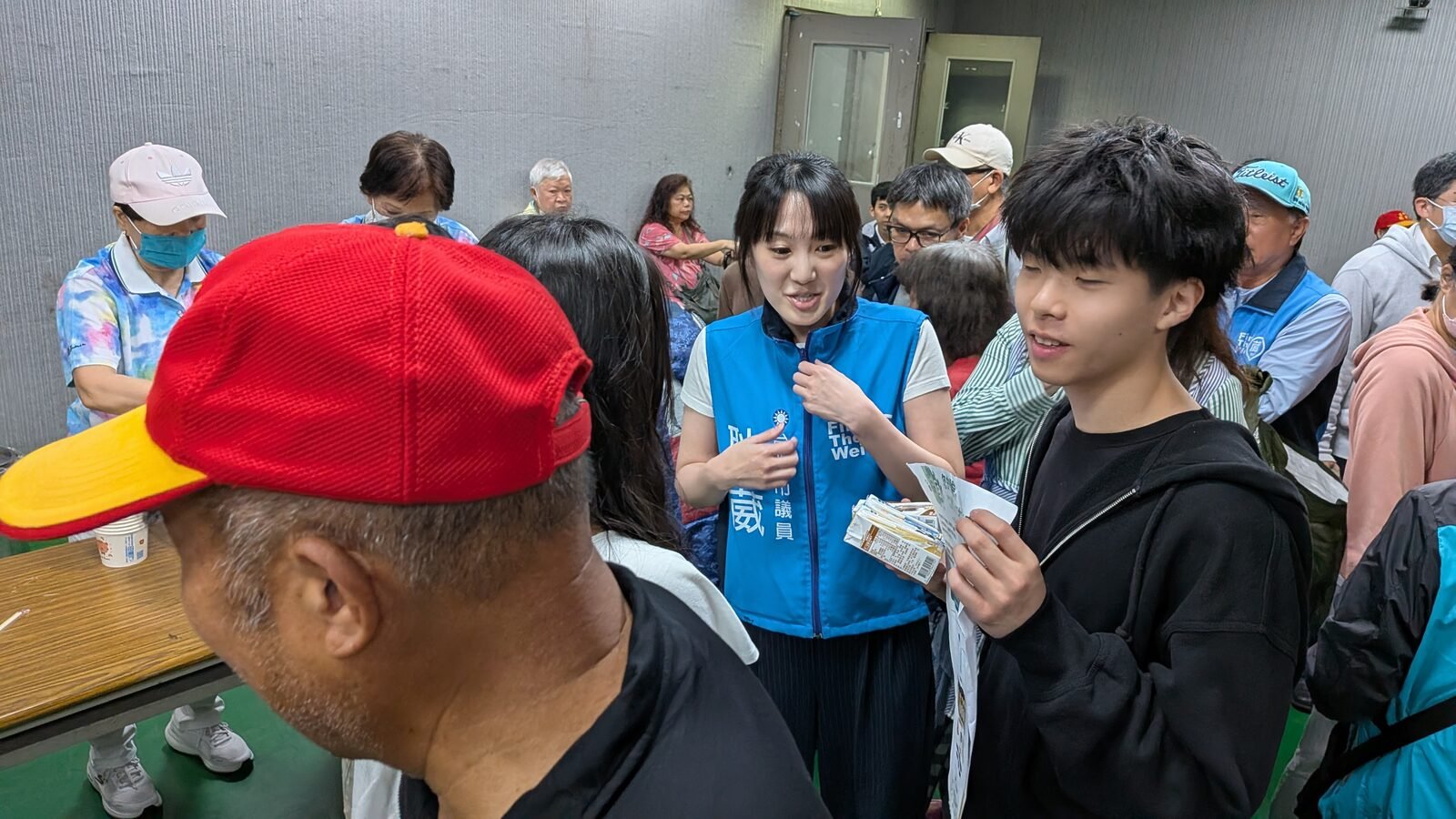
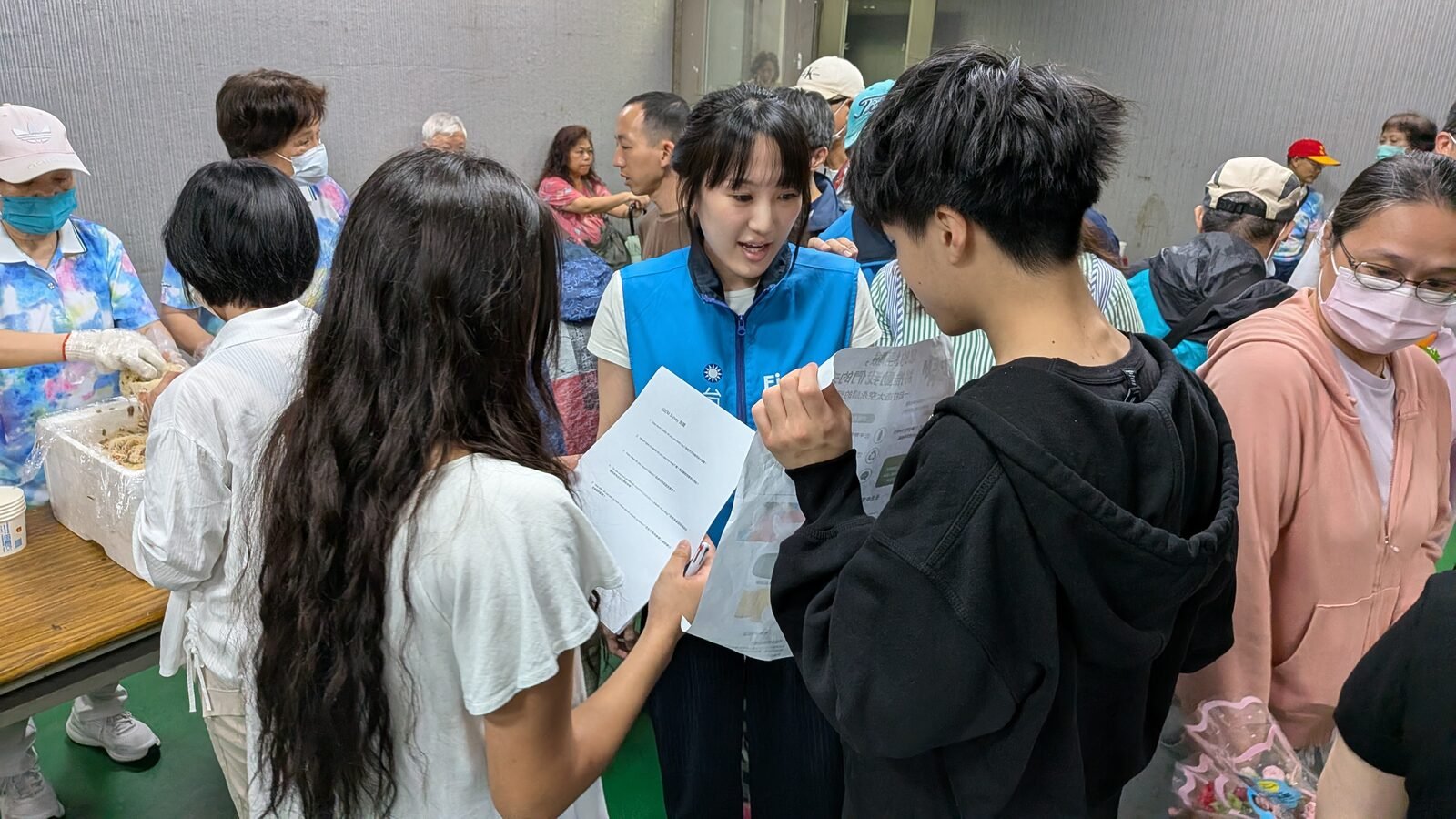
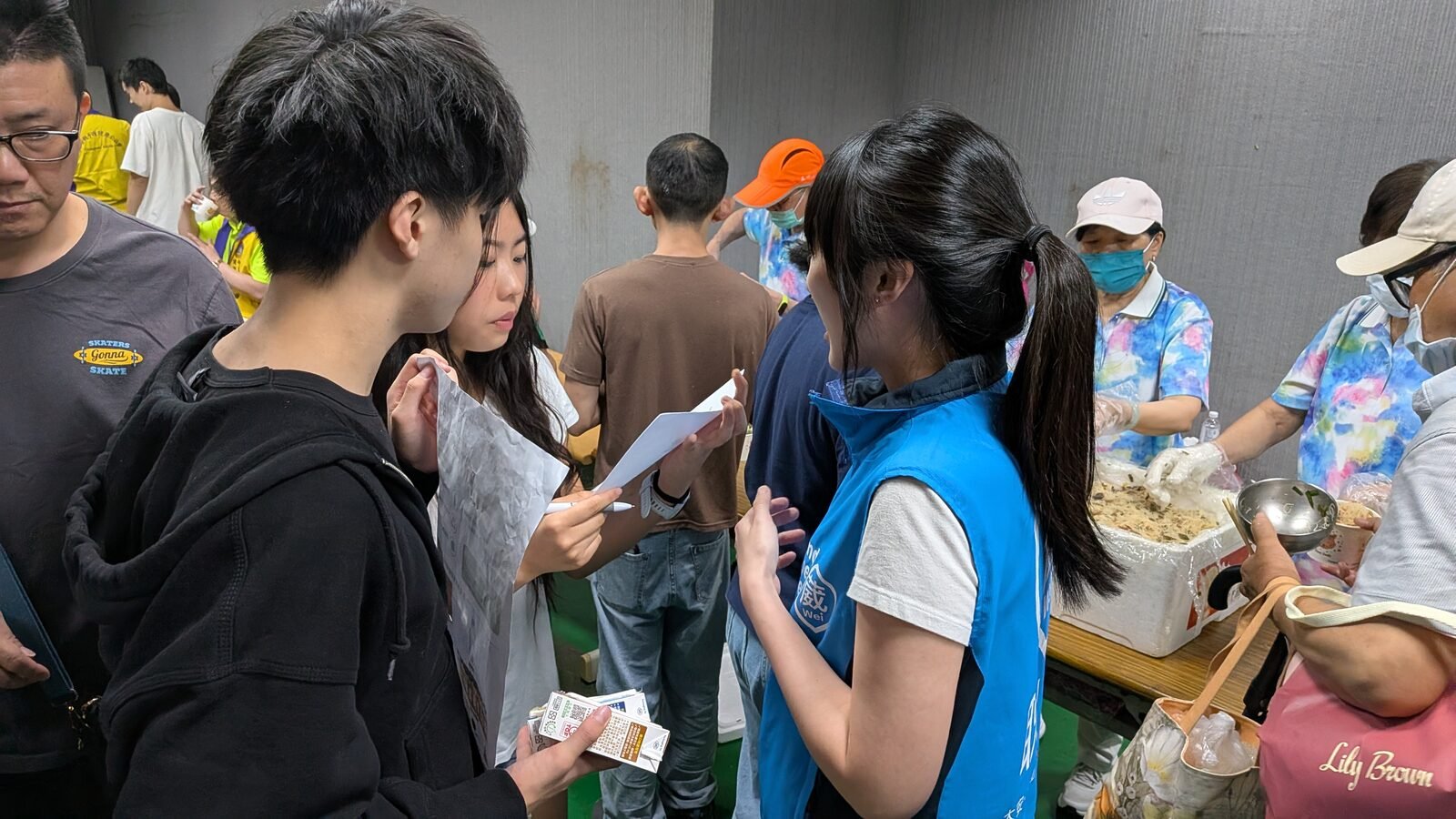
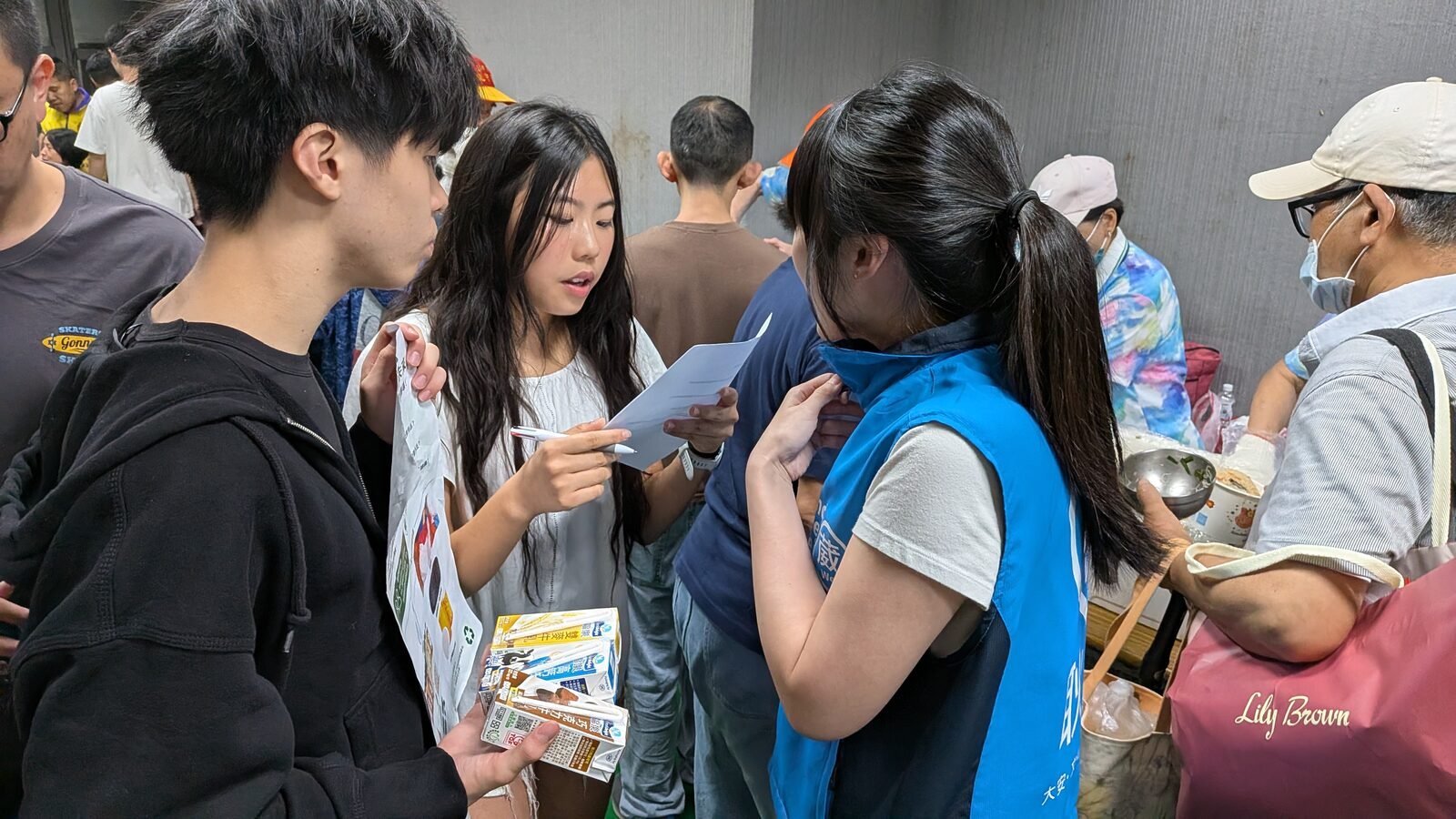
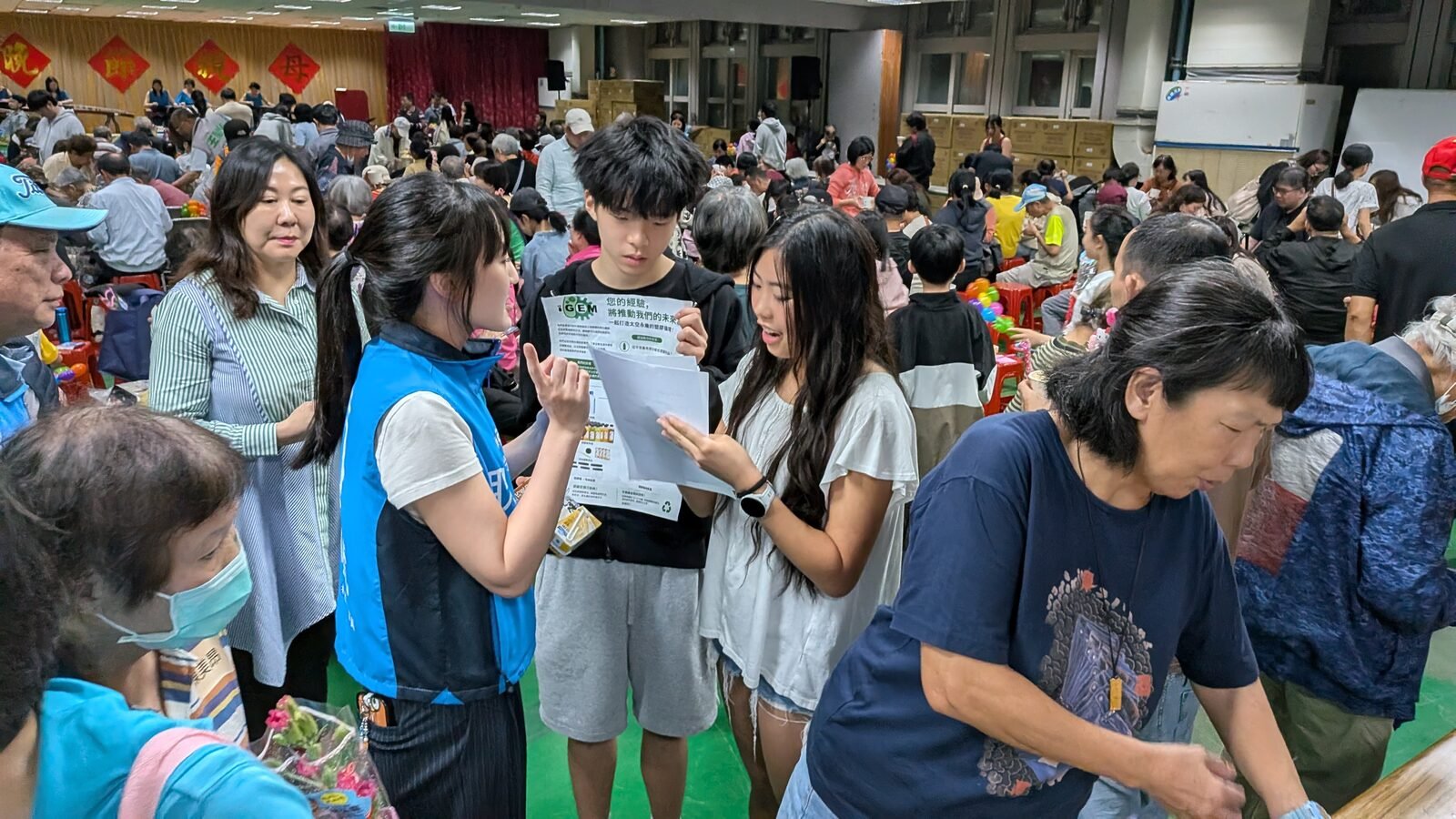
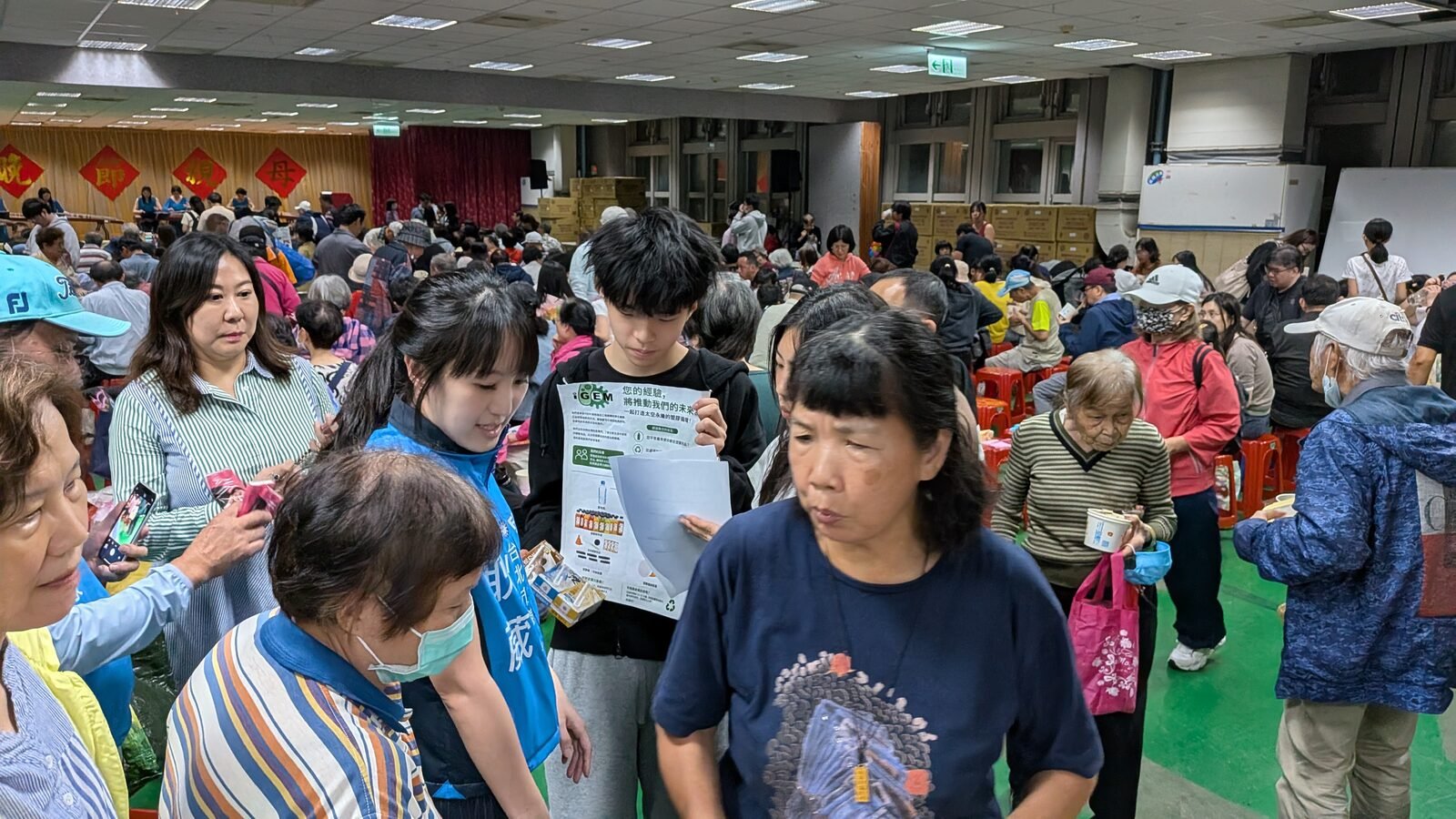
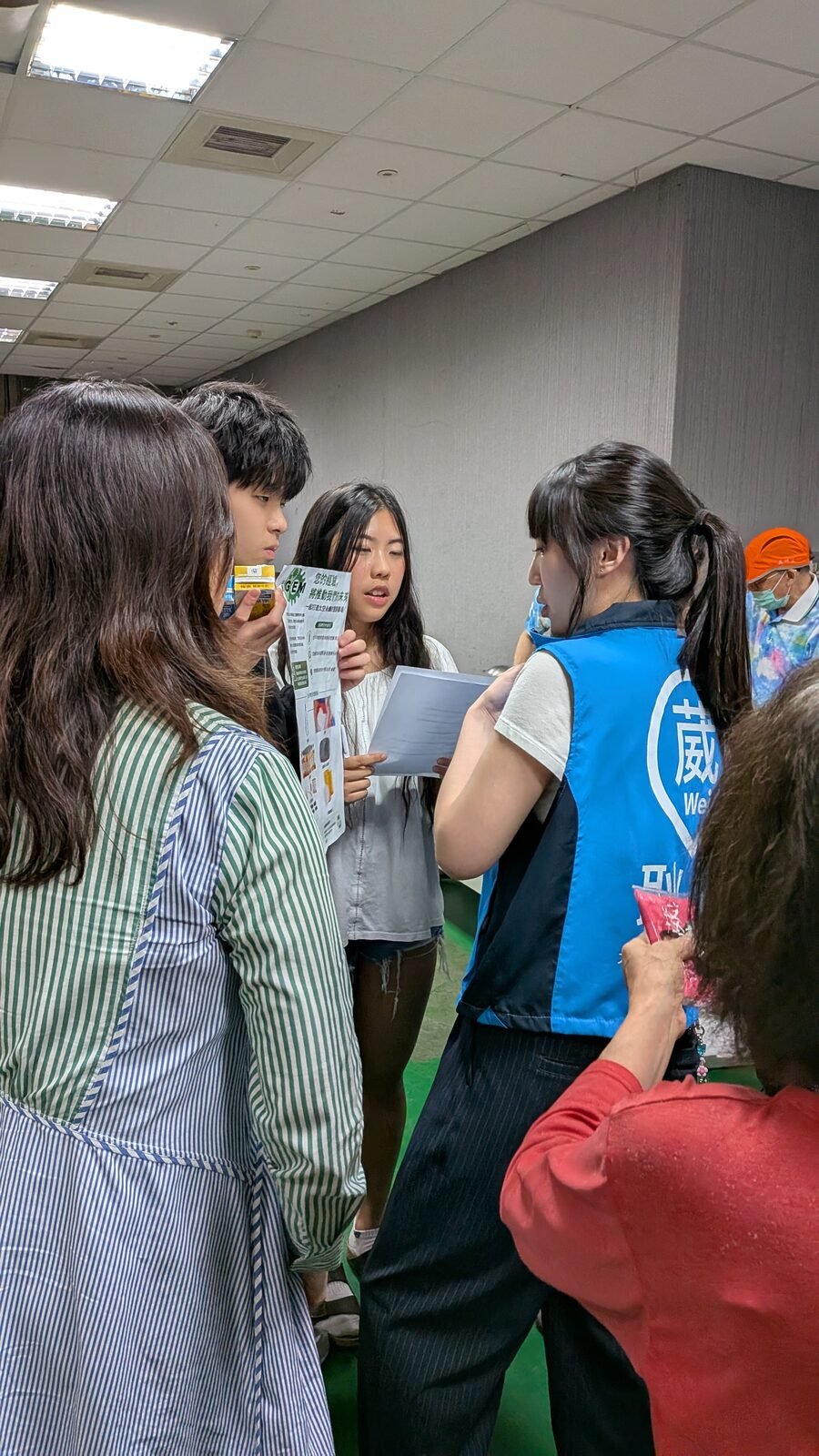
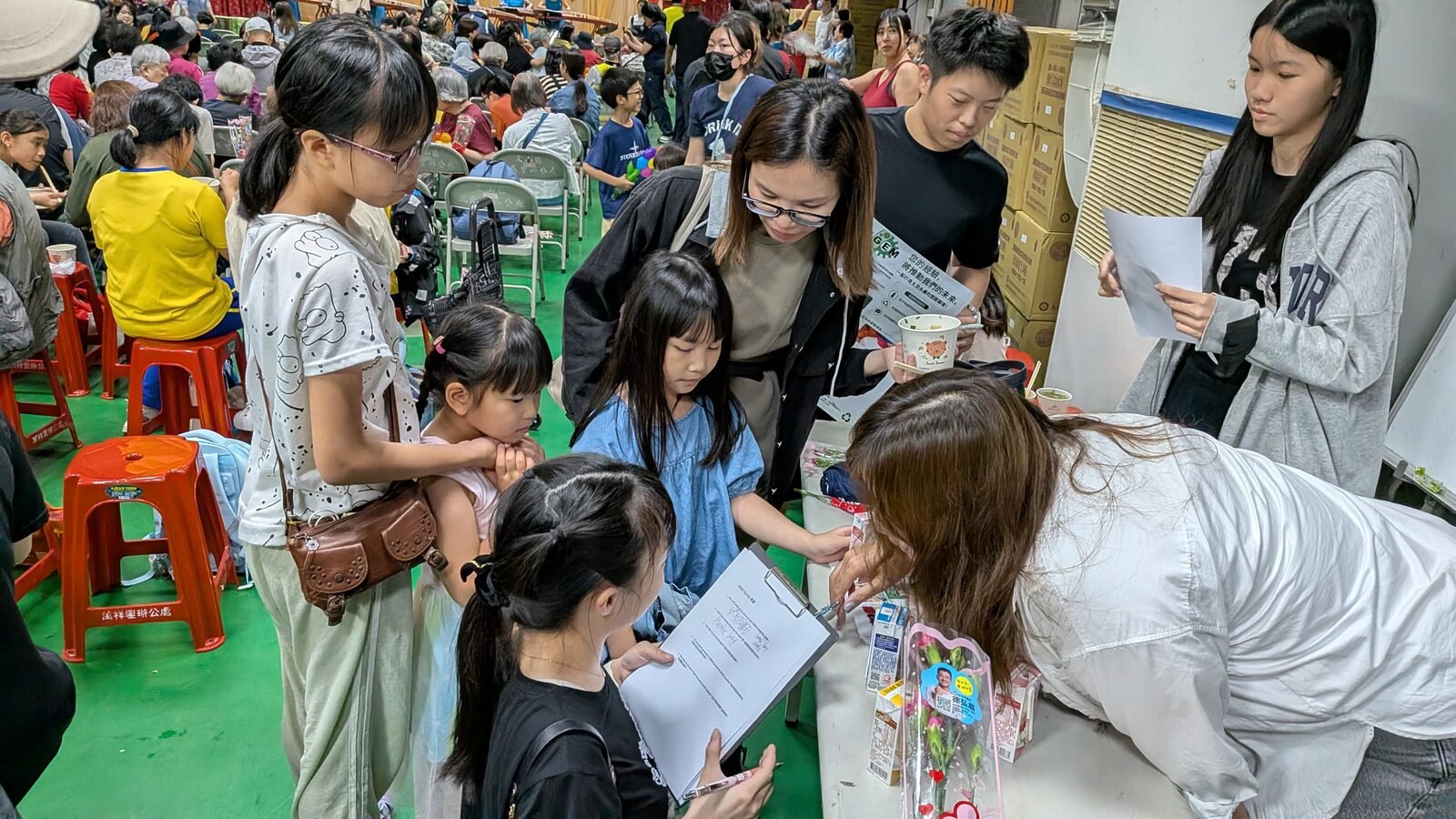
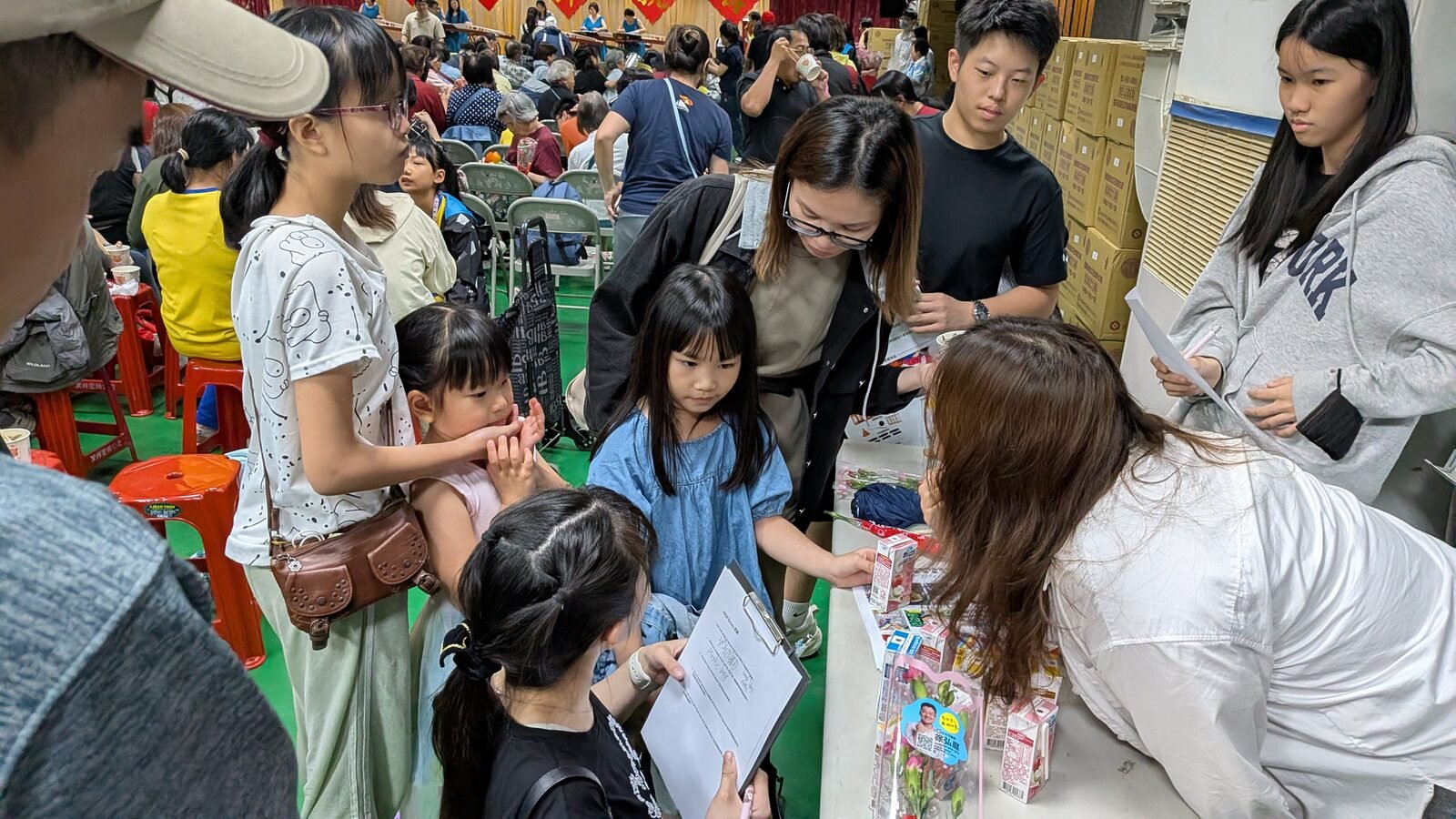
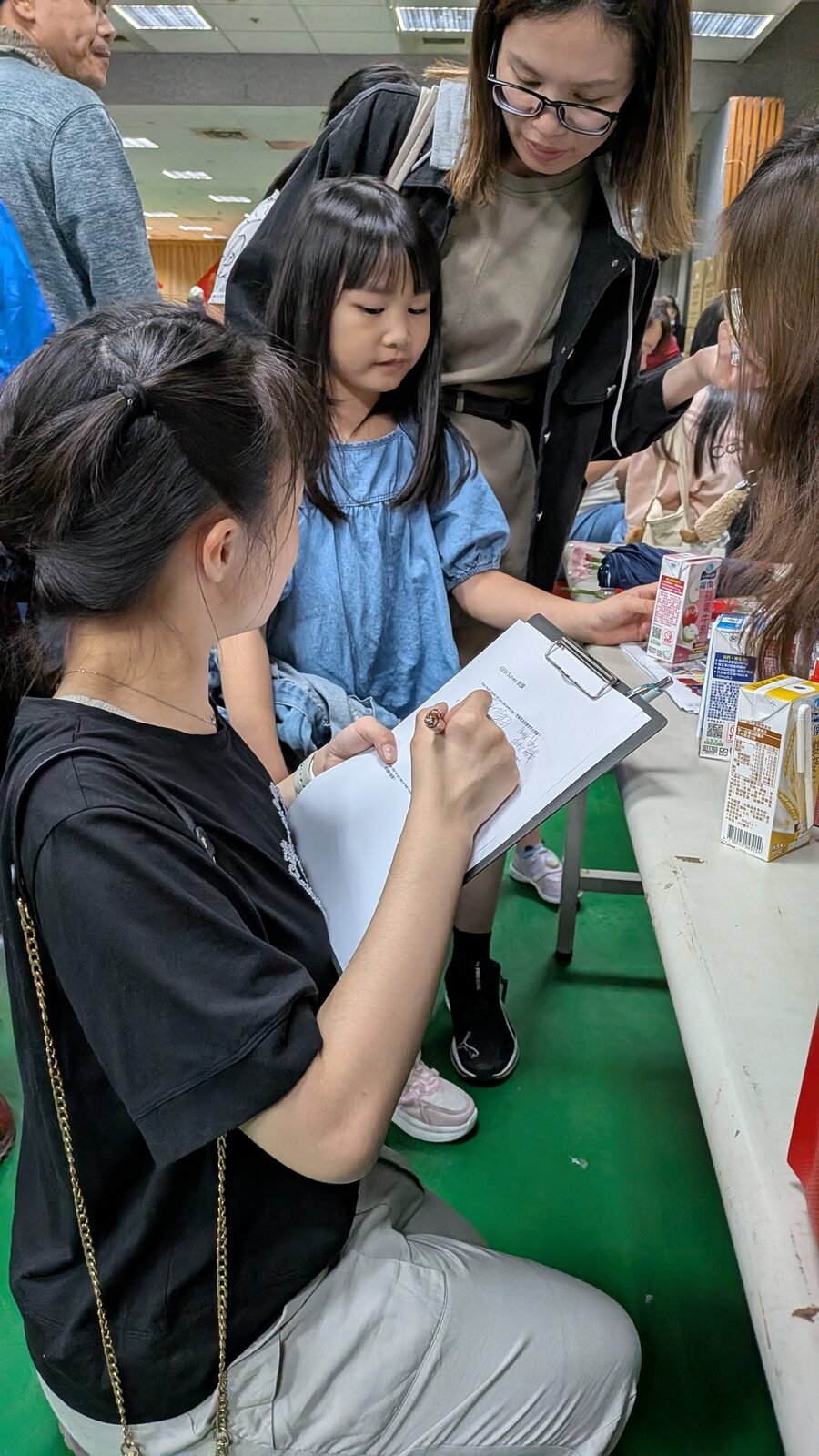
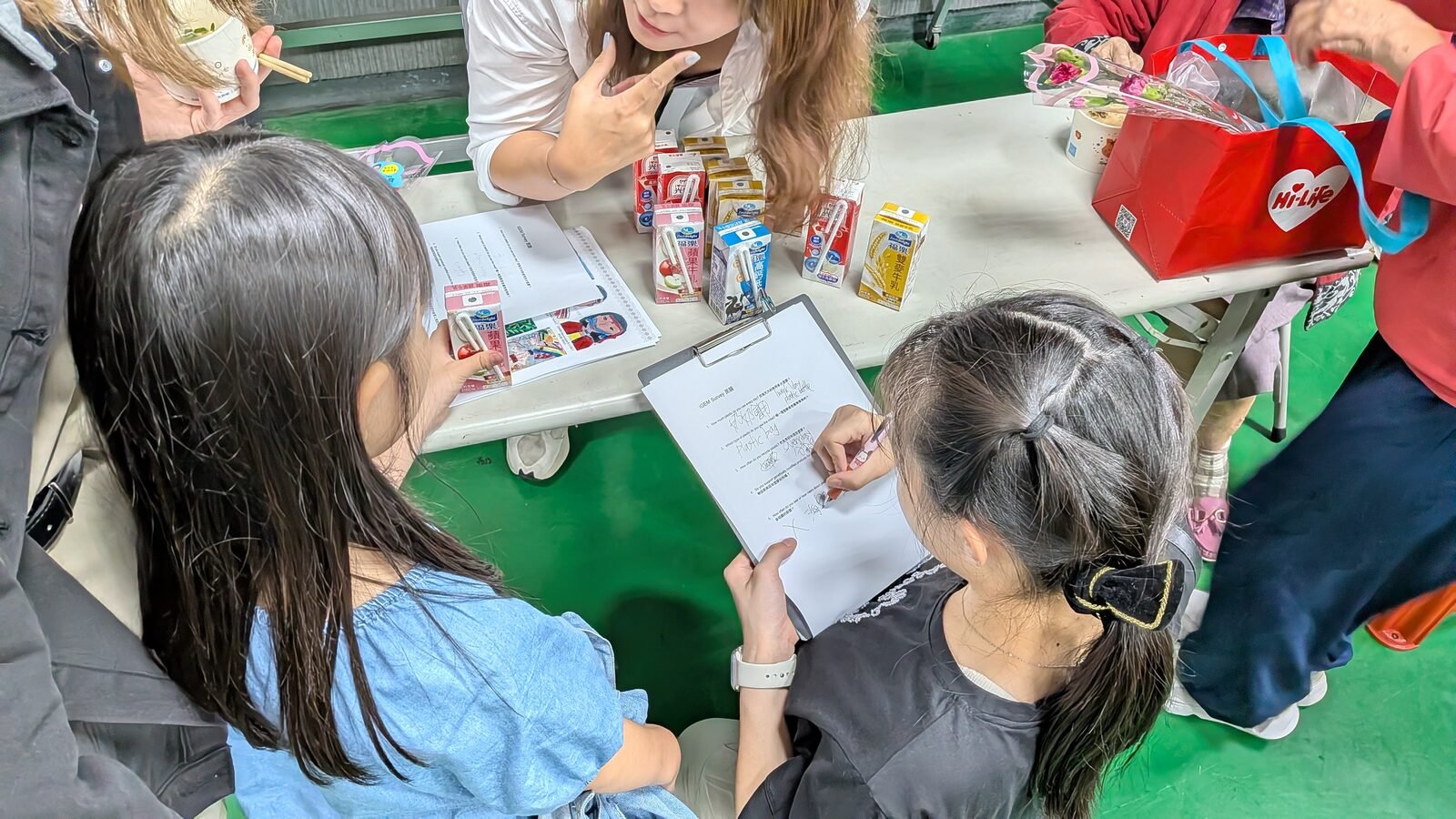
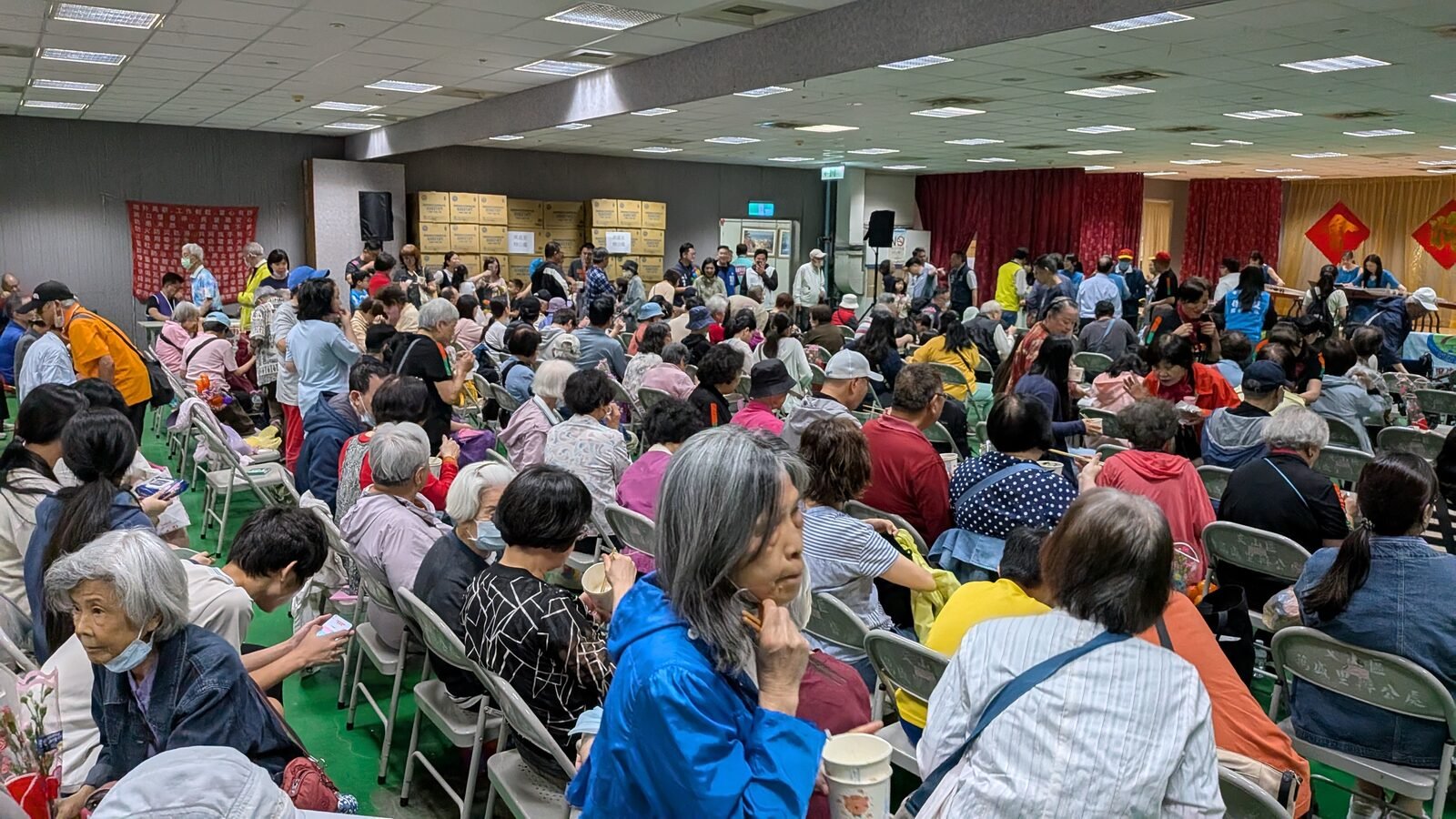
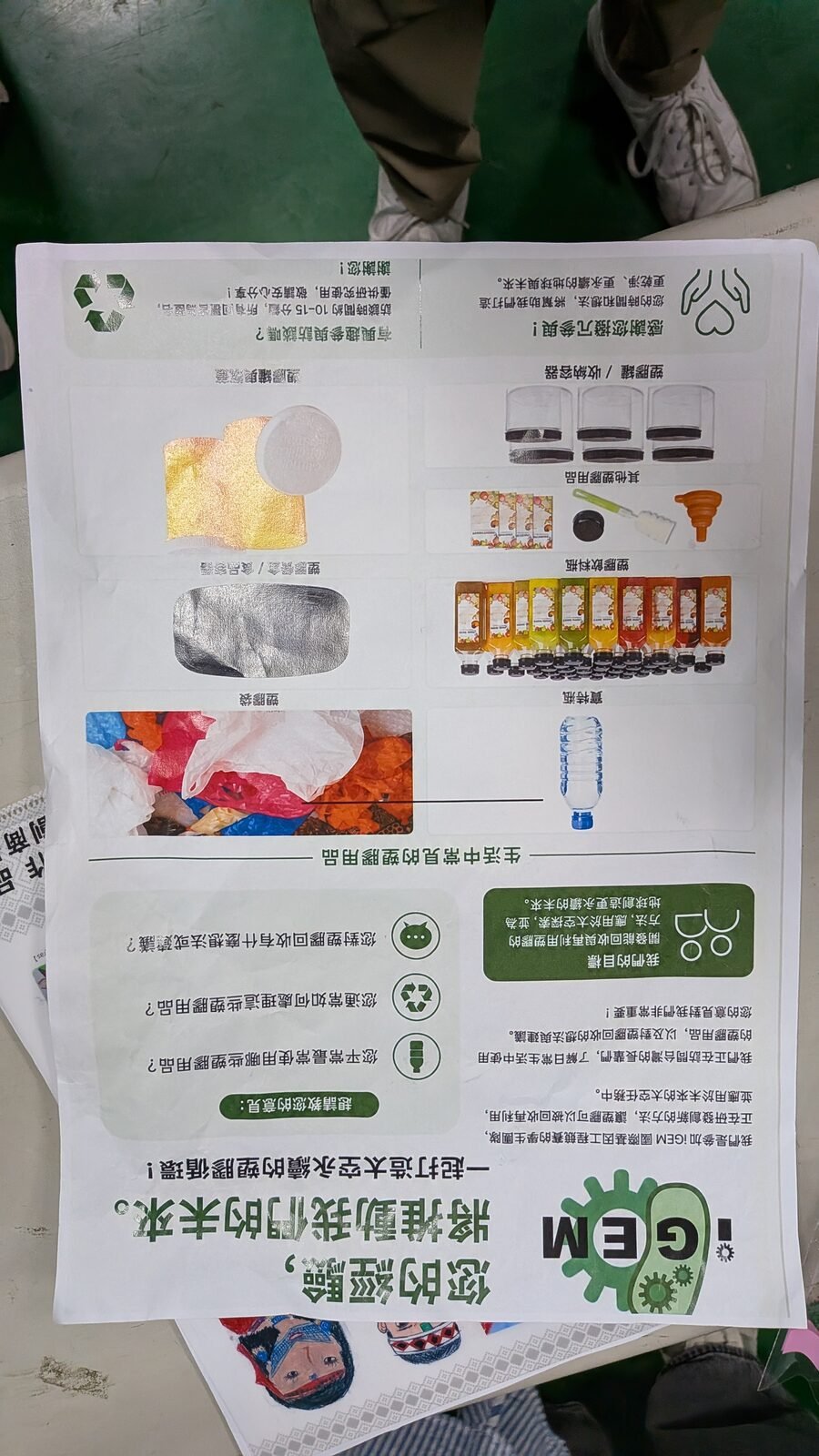
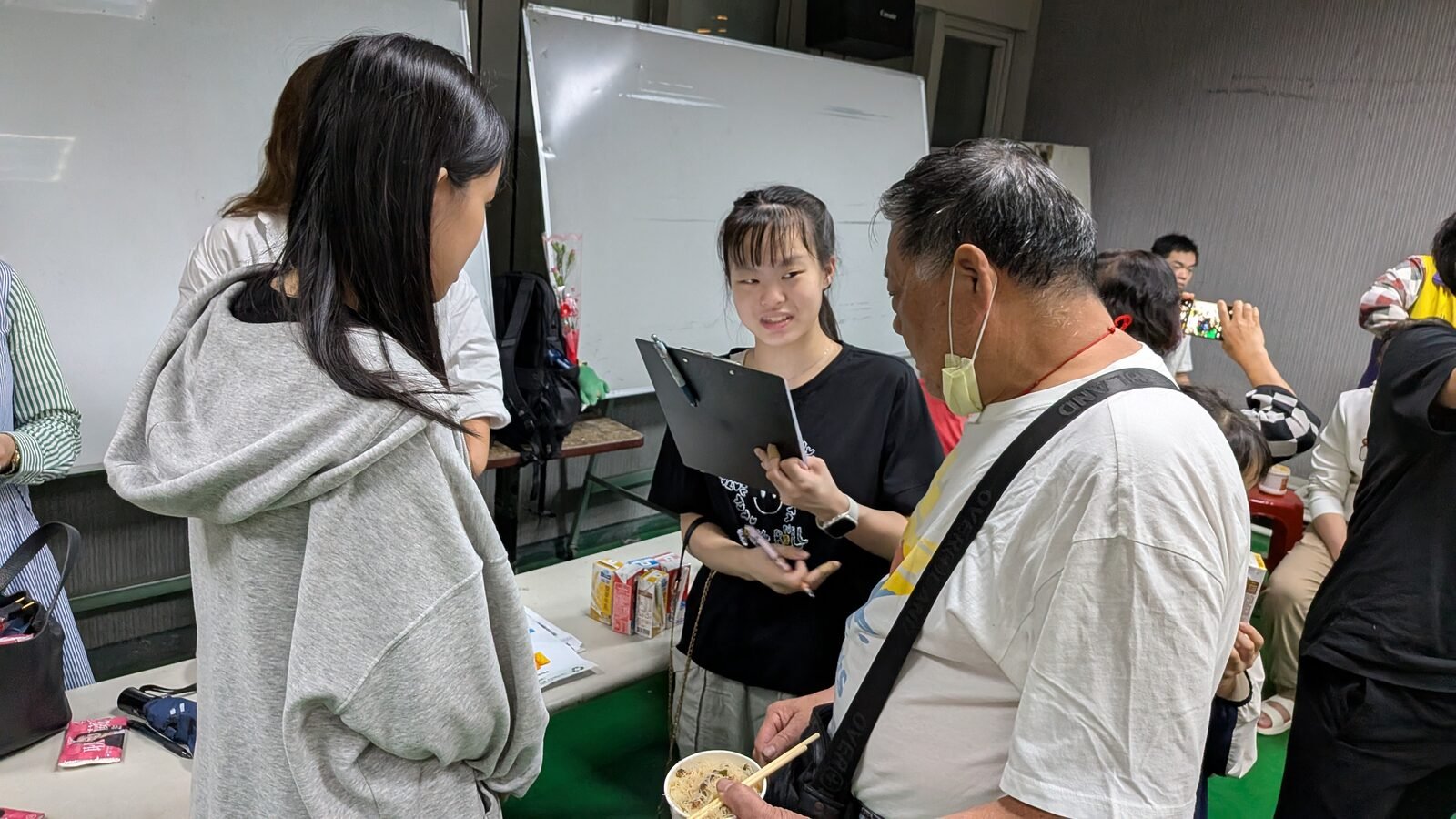
On 8 May 2026, our team hosted a Mother's Day Outreach event, surveying roughly 40 attendees at a local gathering for elderly and middle-aged community members. We chose this audience deliberately: if we could explain plastic pollution and our synthetic biology solution clearly to people without a background in biology, space science, or environmental policy, we could be confident in explaining it clearly to iGEM judges as well. Before setting up, our team stopped at a nearby grocery store to buy juice, tea, and milk to offer as small tokens of appreciation for participating – milk in particular proved popular with this demographic. Each participant answered five short questions covering their daily plastic use, the types of plastic they relied on most, their recycling habits, their openness to genetically modified recycling solutions, and how often they encountered plastic pollution in the news.
What We Learned
Daily plastic use varied considerably across the group. Roughly half of respondents described a comparatively light footprint of two or fewer plastic items per day, while a smaller cluster of ten participants reported heavier use, consuming more than five items or describing their use simply as “everyday” or “a lot.” When we asked which type of plastic dominated their daily routine, single-use convenience items stood out clearly: plastic bags were named far more than any other category, with plastic bottles the next most common answer and a number of respondents citing a combination of the two.
Recycling habits, by contrast, were strikingly consistent. The large majority of participants, 25 out of 40, described recycling as a routine, everyday habit, suggesting that waste-sorting practices are already deeply embedded in this community. Attitudes toward biotechnology were similarly encouraging: 29 of the 40 participants, or 72.5 percent, said they would support genetically modified organisms for plastic recycling provided the technology did not harm human health or the environment, while only three respondents were opposed outright. Media exposure to plastic pollution was also high: half of respondents said they frequently saw or heard news coverage of the issue, most often recalling striking imagery of ocean debris, sea turtles, and jellyfish entangled in plastic waste.
Taken together, these results suggest that this community already understands the plastic pollution problem and is unusually receptive to biological solutions. That shifts where we, as a team, need to focus our energy: rather than spending our limited time with judges convincing them that a plastics crisis exists, we can move directly to explaining why an engineered biological alternative is a safer and more efficient answer than conventional mechanical recycling.
The complete tallied responses for all five questions, including every distinct answer category, are archived on our Raw Data page.
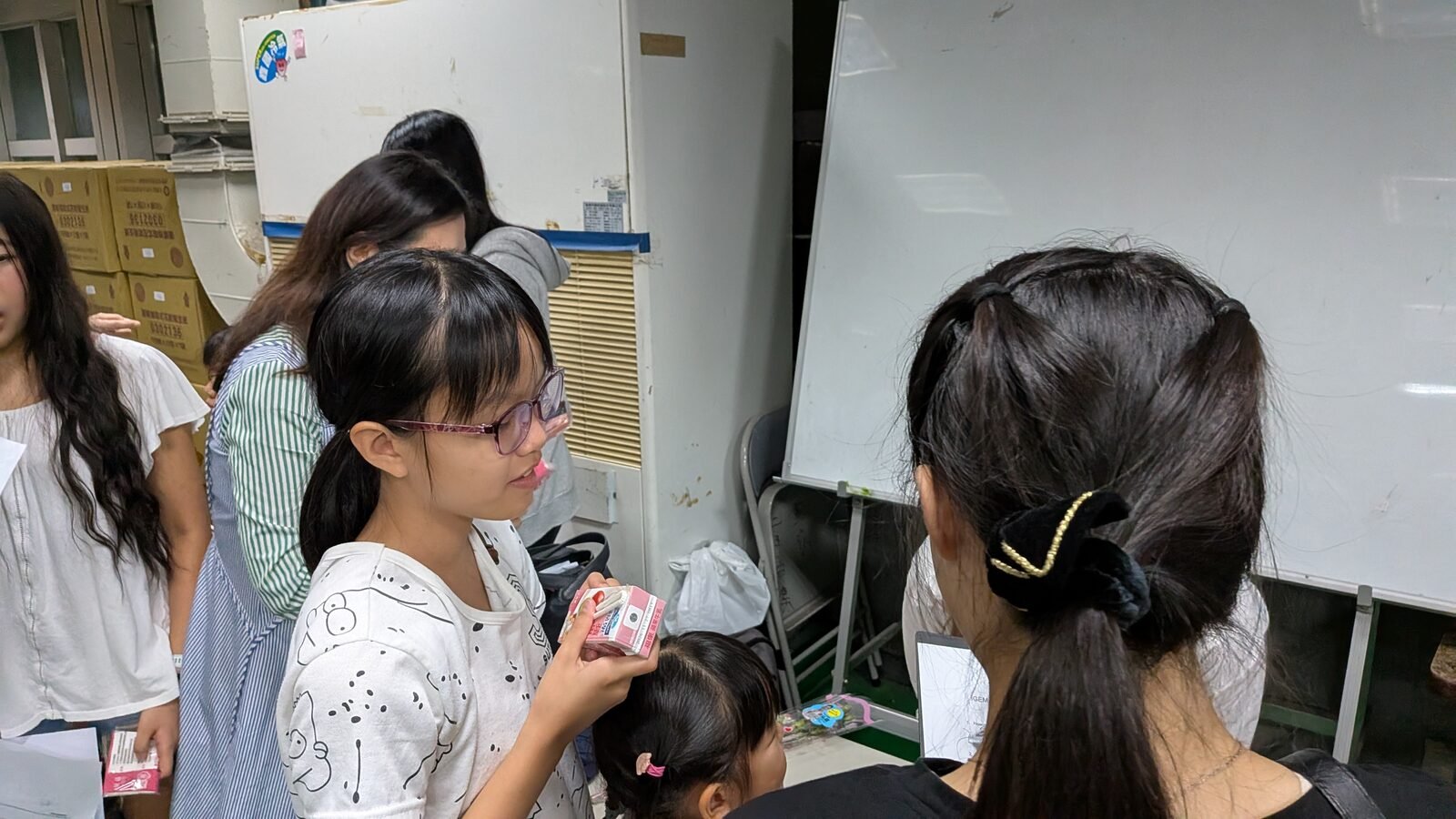
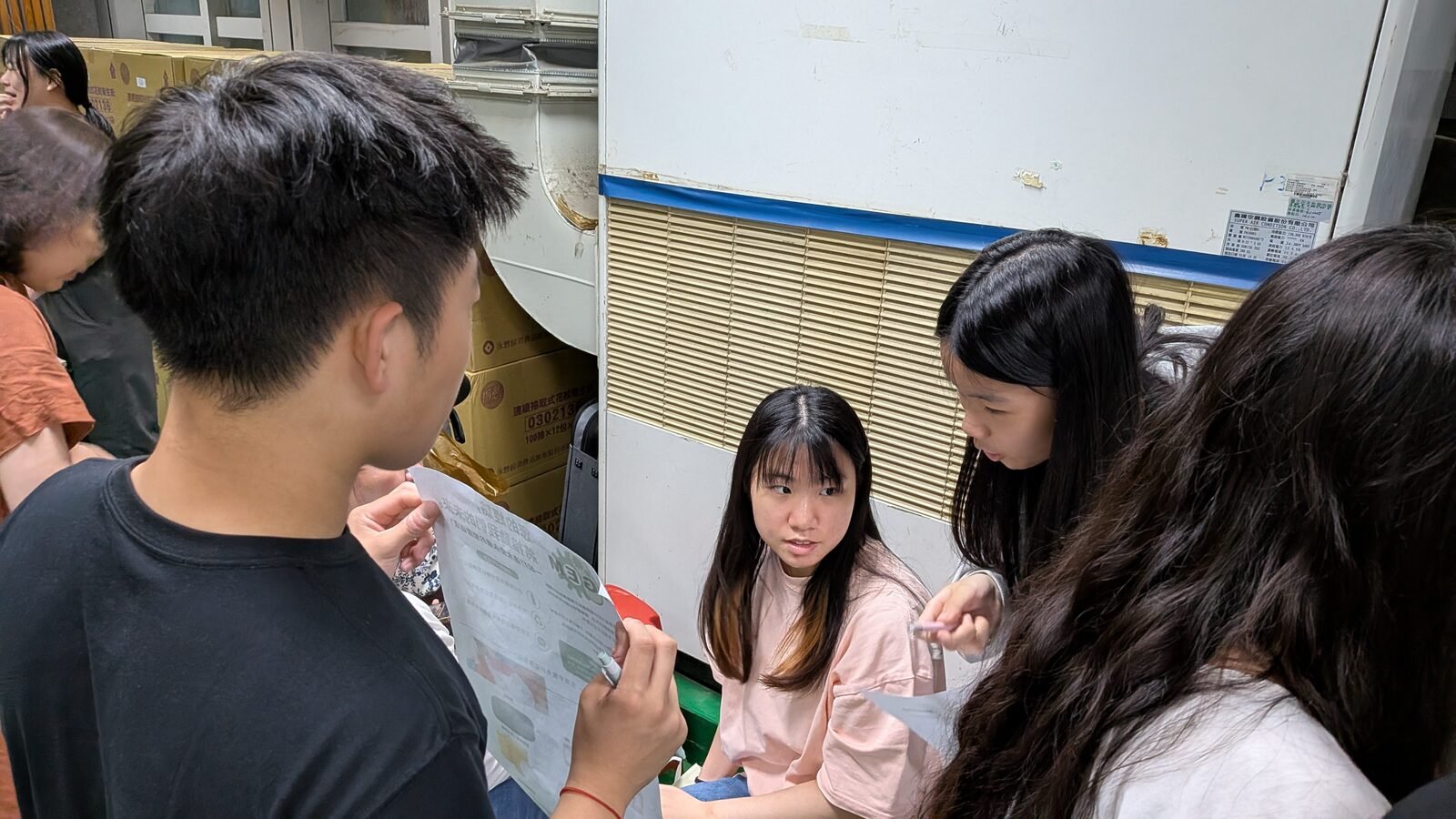
Photos from the event are below.